Other interesting posts

Want to join our research group as an MSc or PhD student?

If you are thinking of wanting to join our group, consider how your interests would benefit from learning from other team members, and what you can bring to the group. Ideally, your project would work in an area related to our recent research. For example, analysis of the global biogeography of a selected marine taxon
Read more »

Funding for graduate students

Some sources of funding for graduate living costs in New Zealand are linked to below: (1) University scholarships are automatic for students with a GPA 8.0 (~A to A+ average, first class). If your degree is not from a New Zealand university you can calculate your Grade Point Equivalent (GPE) using this online calculater. (2)

Read more »

What to do if you got stung by a venomous jellyfish?

By Phuping Sucharitakul Herein, venomous jellyfish refer to the group of cubozoans, scyphozoans and blue bottle. Here is some advice if you get stung. First, you need to identify the jellyfish that stung you if it’s possible. This can help you a lot when it comes to first aid. Moreover, the wound can give us

Read more »

Palaeo-Art and palaeo-biodiversity

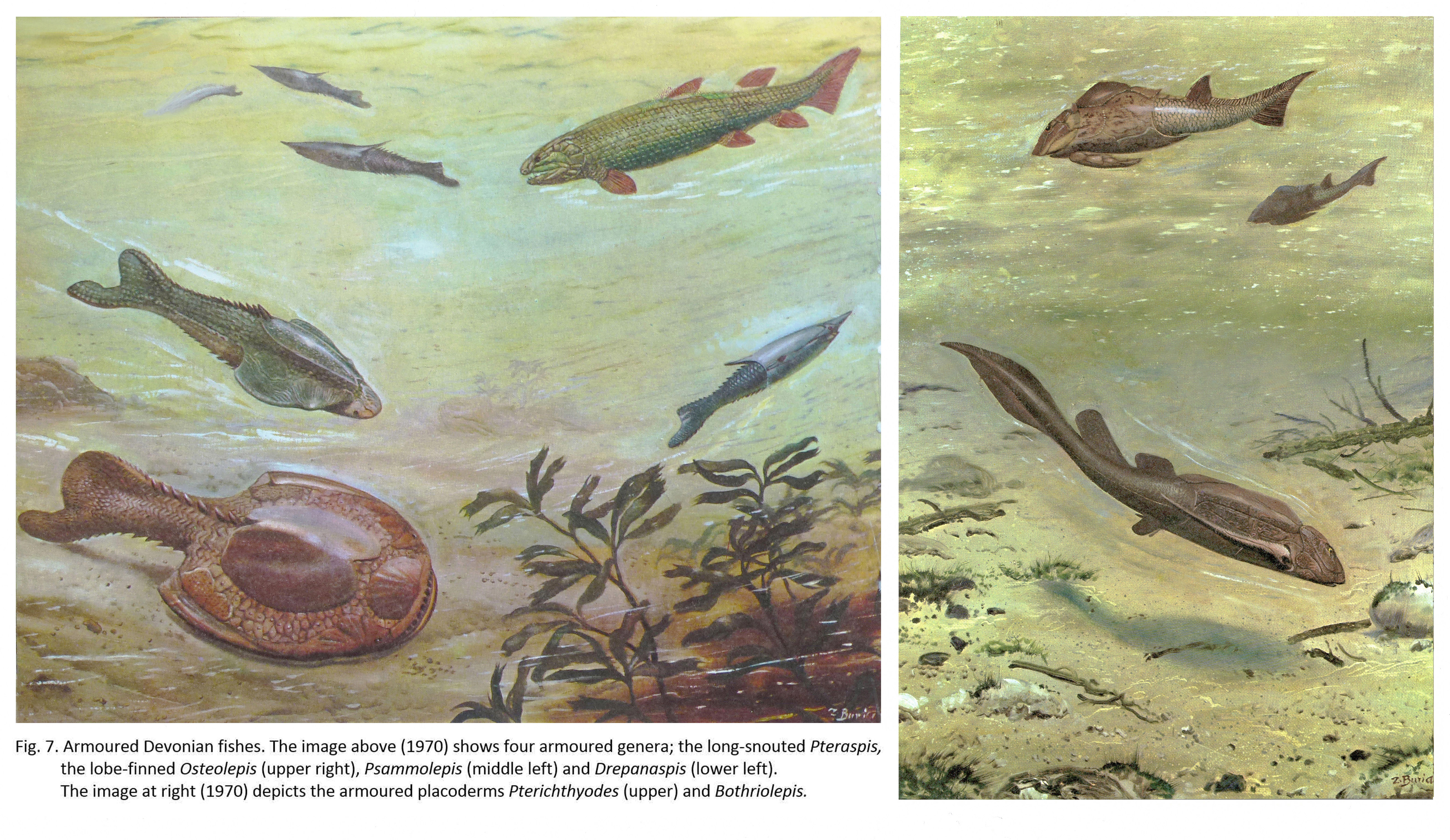
I recently learned of palaeo-art from John Lavas our biology librarian. It’s nothing to do with our needing a palaeo-diet but rich in images of what formed the diet of animals before man arrived. What I like about it is that it breathes life to fossils, as artists re-create how they think animals may have

Read more »

Restoring coral reef ecosystems at Aitutaki, Cook Islands

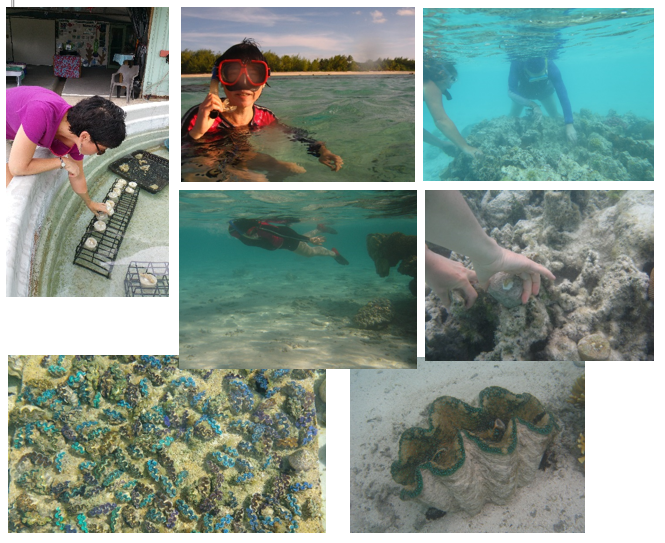
Dr Charley Waters, an inspiring scientist in Aitutaki, Cook Islands, has started a local initiative to foster community engagement in restoring and protecting their marine environment called Aitutaki Reef Keepers. The island community, including local schools, are closely involved. School children and visitors actively help by fixing small branches of living coral to cement blocks and wedging

Read more »

Do we learn better from digital or print reading

Some research on digital vs print reading suggests digital is faster but the greater concentration when print reading results in better learning and critical thinking skills. So if its potentially important we should read the print version.

Read more »

Ethics article featured

A recent paper from our group about ethics in ecological fieldwork has been picked up by Retraction Watch in an article entitle Should journals reject papers solely on ethical grounds? A follow up article in Elsevier Connect has been received over 43  comments. Please add yours, encourage others to comment, and promote better practice in field ecology.  

Read more »