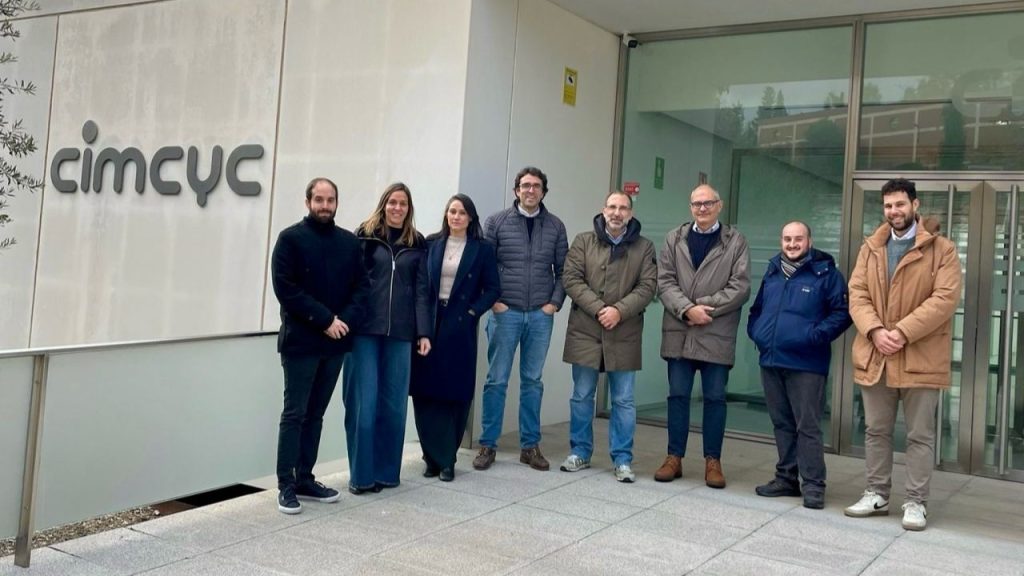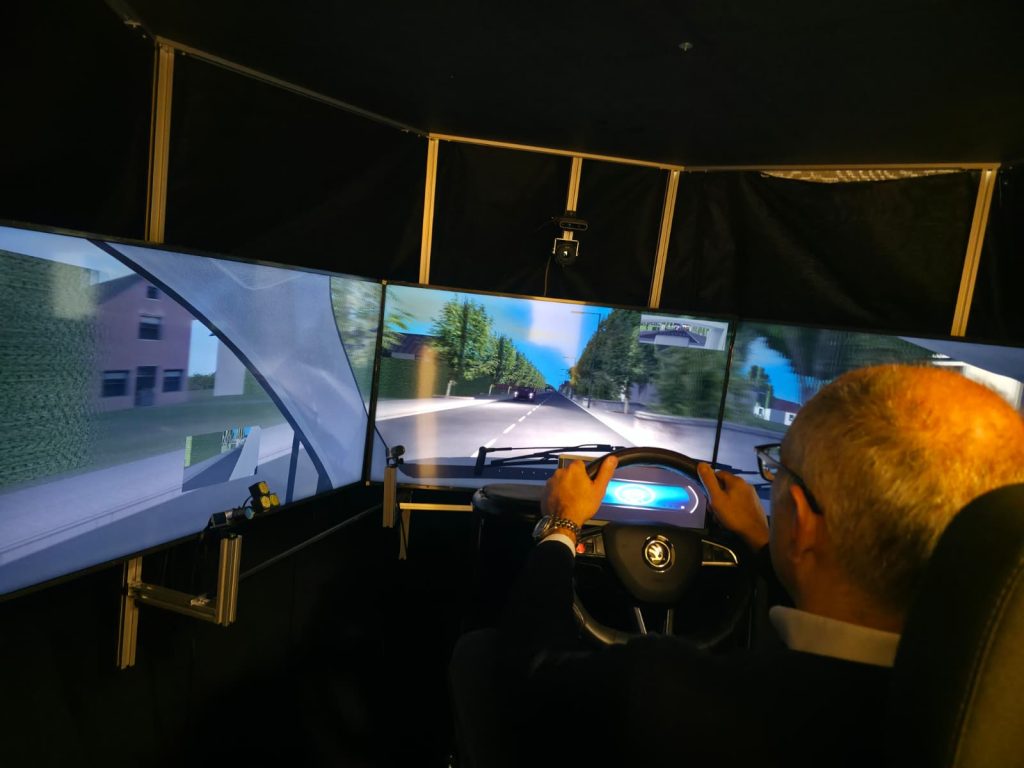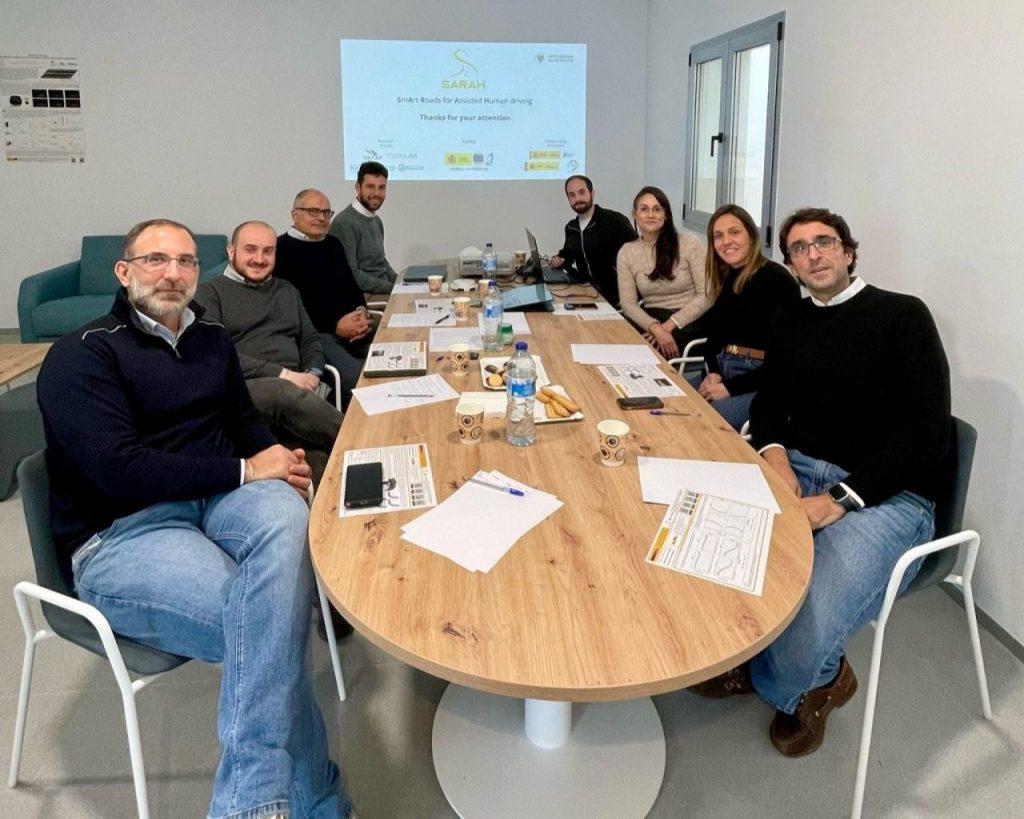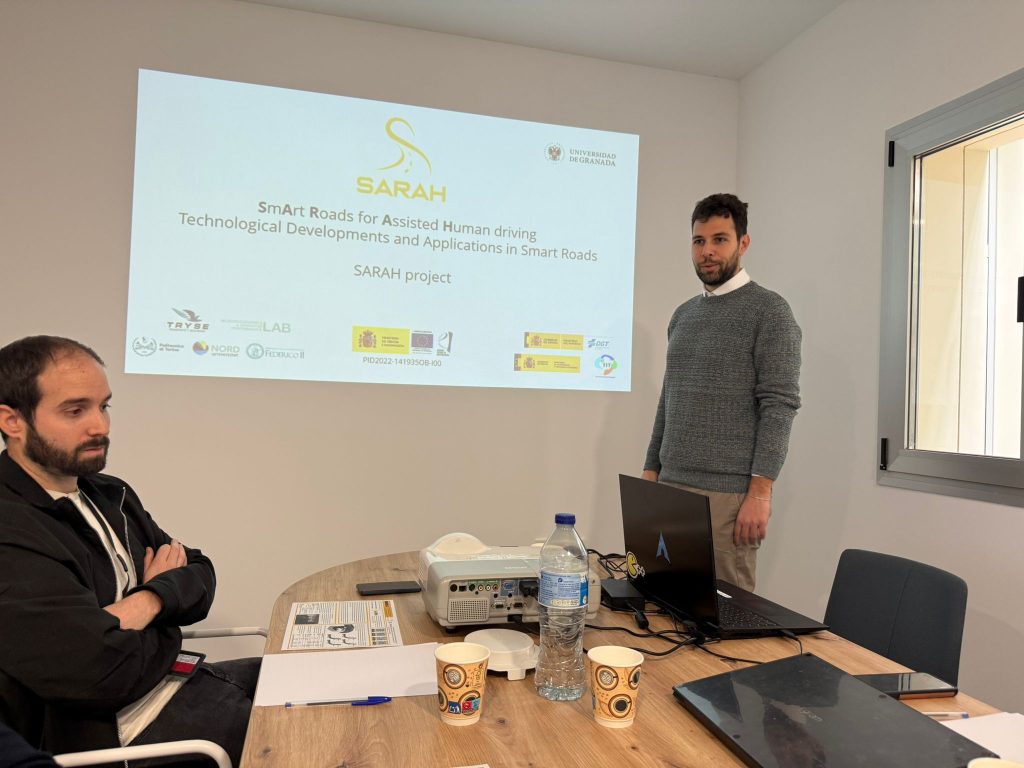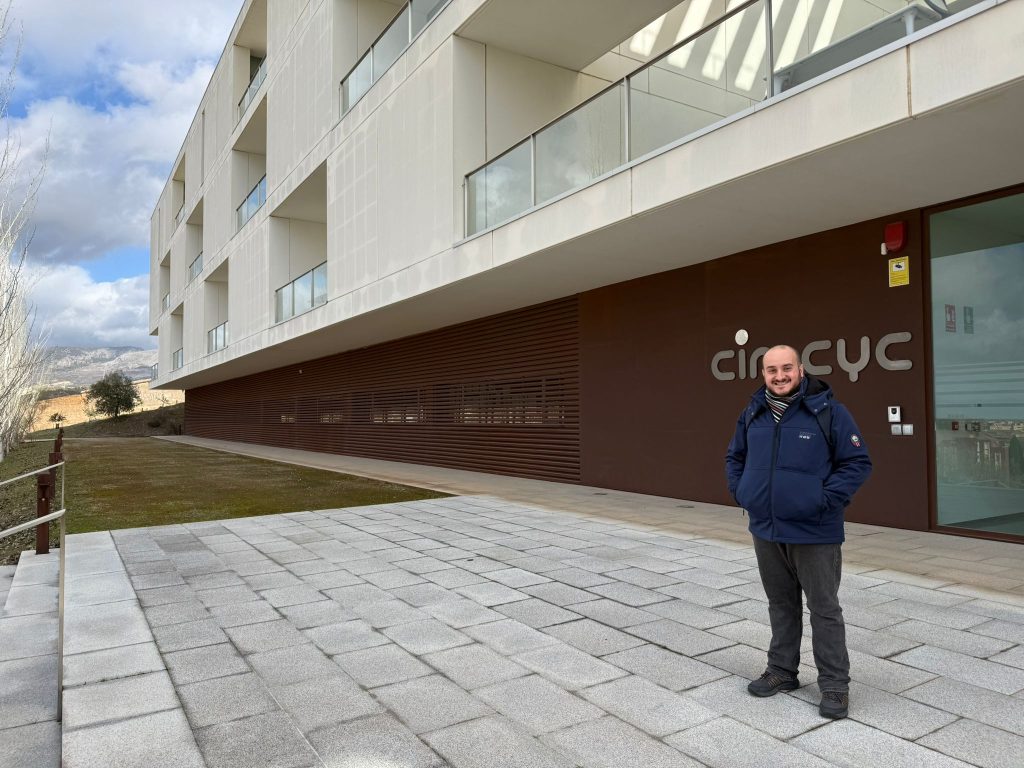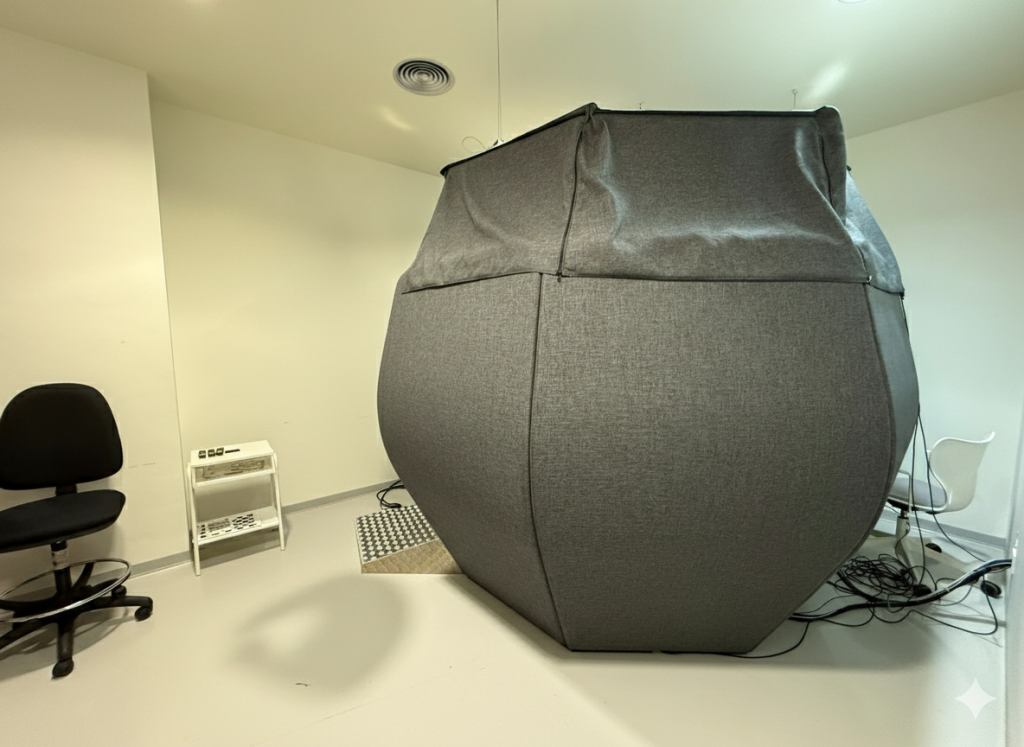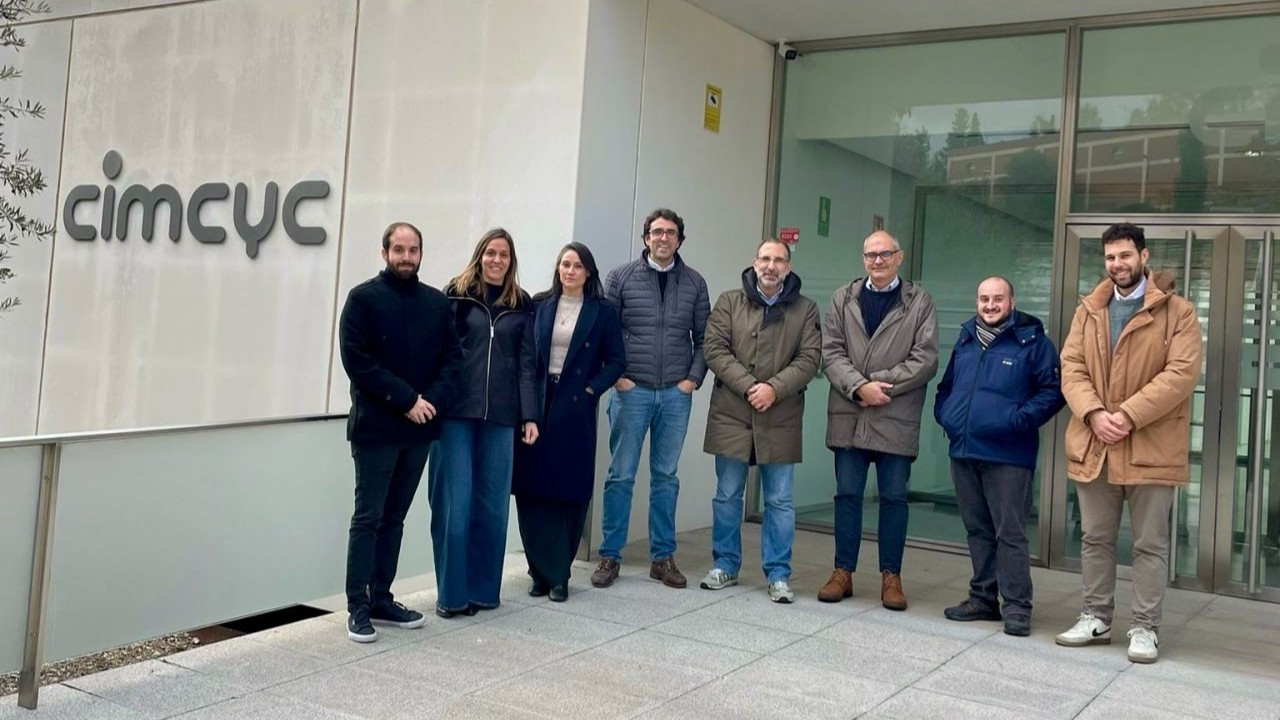

During the week of January 22nd, TRAFIKKLAB further strengthened its international ties with a strategic visit to the University of Granada, Spain. The meeting took place at CIMCYC (Mind, Brain, and Behavior Research Center), a world-class facility with which we have maintained a successful collaboration for several years.
A Multidisciplinary Approach: Engineering Meets Psychology
One of the most significant aspects of this partnership is its multidisciplinary nature. By bridging the gap between different fields, the project leverages a unique synergy:
- CIMCYC’s expertise in cognitive psychology and human behavior provides deep insights into the “Mind and Brain” of the driver.
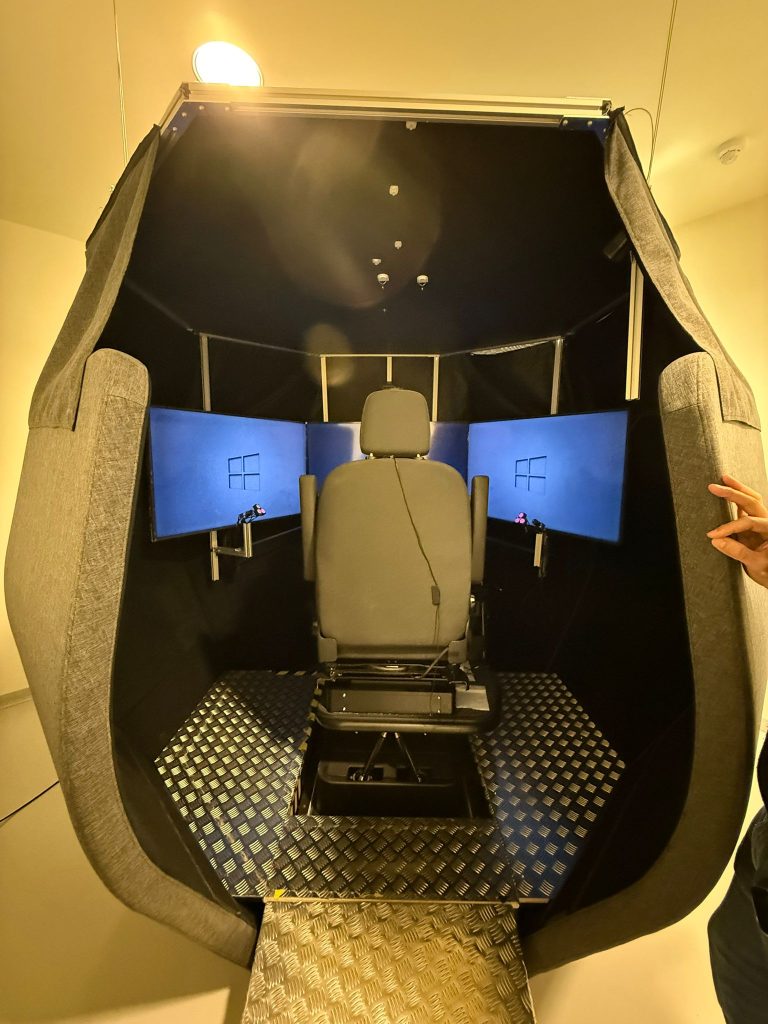
- TRAFIKKLAB ’s engineering and technical focus (at Nord University and Polytechnic of Turin) provides the infrastructure and simulation expertise to test these behaviors in controlled, high-tech environments.
This collaboration allows the SARAH project—an initiative funded by Spanish national authorities—to study Smart Road technologies not just as technical tools, but as elements that fundamentally change how humans interact with the road.
A Tri-National Research Synergy
The project involves the University of Granada, Nord University (Norway), and the Polytechnic University of Turin (Italy).
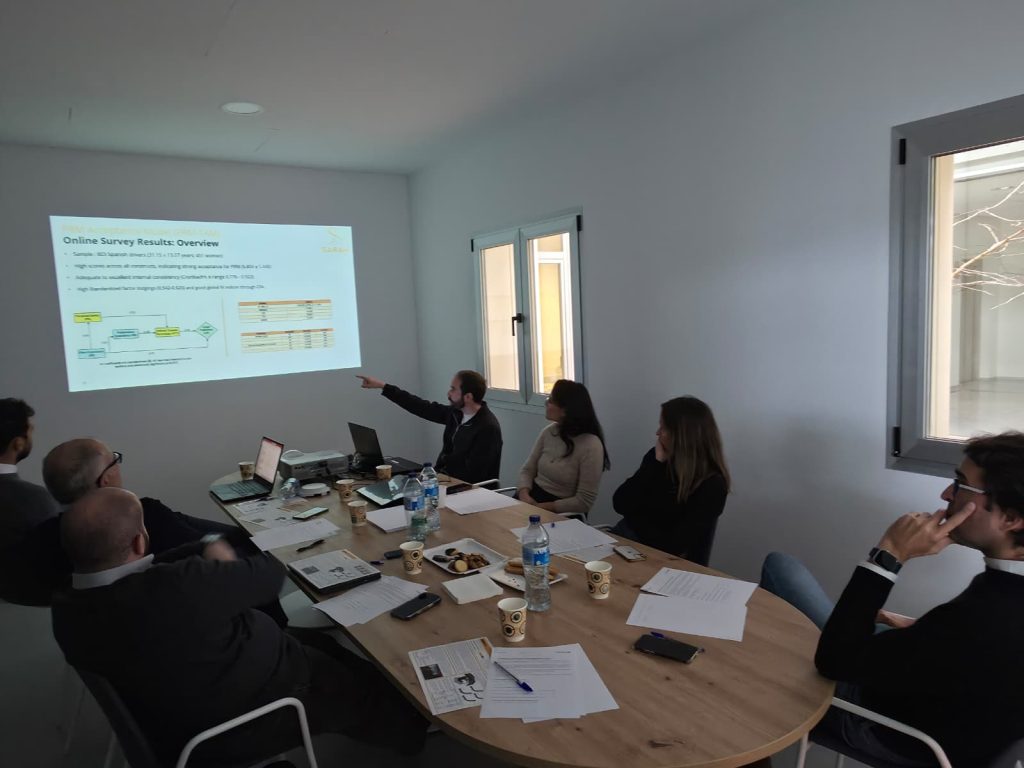
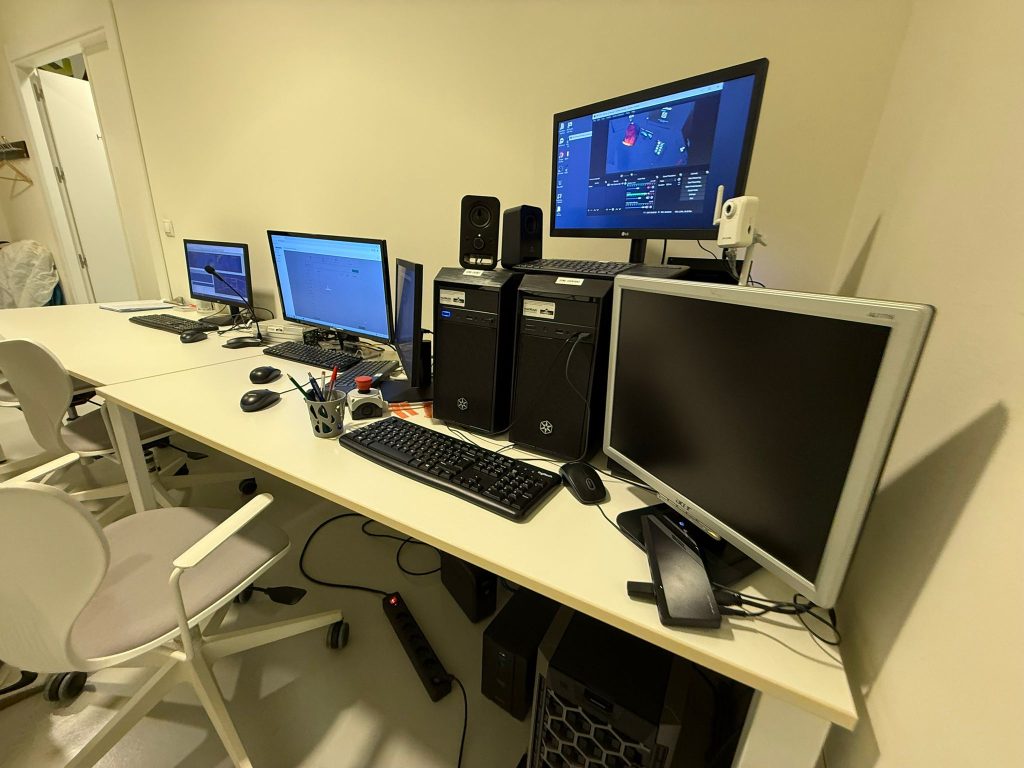
Central to this effort is PhD candidate Francesco Angioi, currently based in Granada. During the meeting, the team reviewed the latest simulator results from CIMCYC and outlined the experimental scenarios for the coming months, focusing on how smart infrastructure affects driver safety and performance.
Future Outlook: From the Mediterranean to the North
The next phase of the roadmap involves Francesco Angioi embarking on a visiting research period at the Polytechnic of Turin and Nord University’s campus in Stjørdal.
By running experiments across different European simulators, the team aims to:
- Validate results across different technological platforms.
- Add a cross-cultural dimension, comparing how drivers from different regions react to Smart Road prompts—a study that wouldn’t be possible without this international network.
“At the Traffic Lab, we believe that combining psychological research with simulation engineering is the only way to truly understand the future of mobility. We are excited about the promising developments this collaboration will bring.”
We look forward to welcoming Francesco to Norway soon and continuing this inspiring journey together!