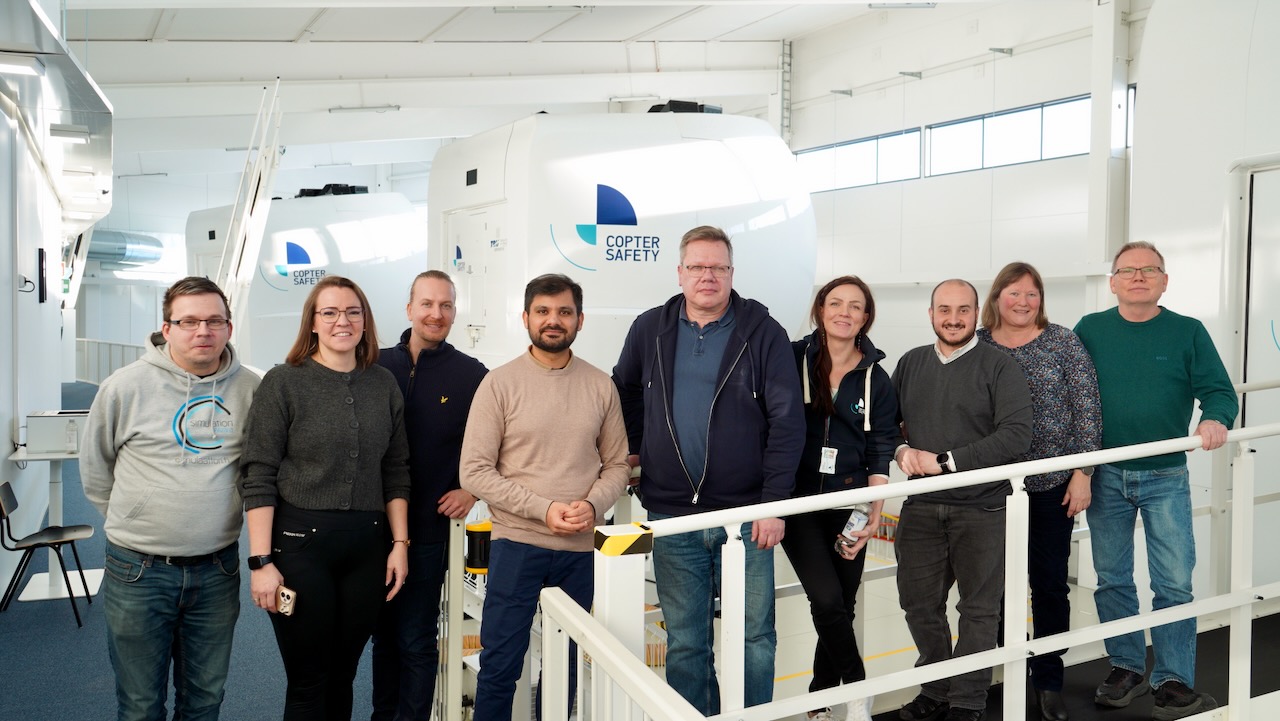
From 28 to 30 January, TRAFIKKLAB staff, together with a representative from the Road Traffic Division from NORD University, carried out a study visit to Helsinki within the Erasmus+ small‑scale partnership “Development of Simulator Pedagogy in Traffic Teacher Education.” The project is coordinated by Hämeen ammatti‑instituutti Oy (Häme Vocational Institute) with Nord University as partner and Simulation Wizard as the technical advisor. The grant is €60,000, and the project runs for 24 months (1 September 2025 – 31 August 2027).
Meetings with project partners
In Helsinki we met colleagues from the Häme Vocational Institute (Hämeen ammatti‑instituutti Oy) and the team at Simulation Wizard. Discussions focused on pedagogy, standards, assessment, and practical implementation pathways aligned with the project’s work programme and budgeted activities (development, pilots, evaluation, dissemination).
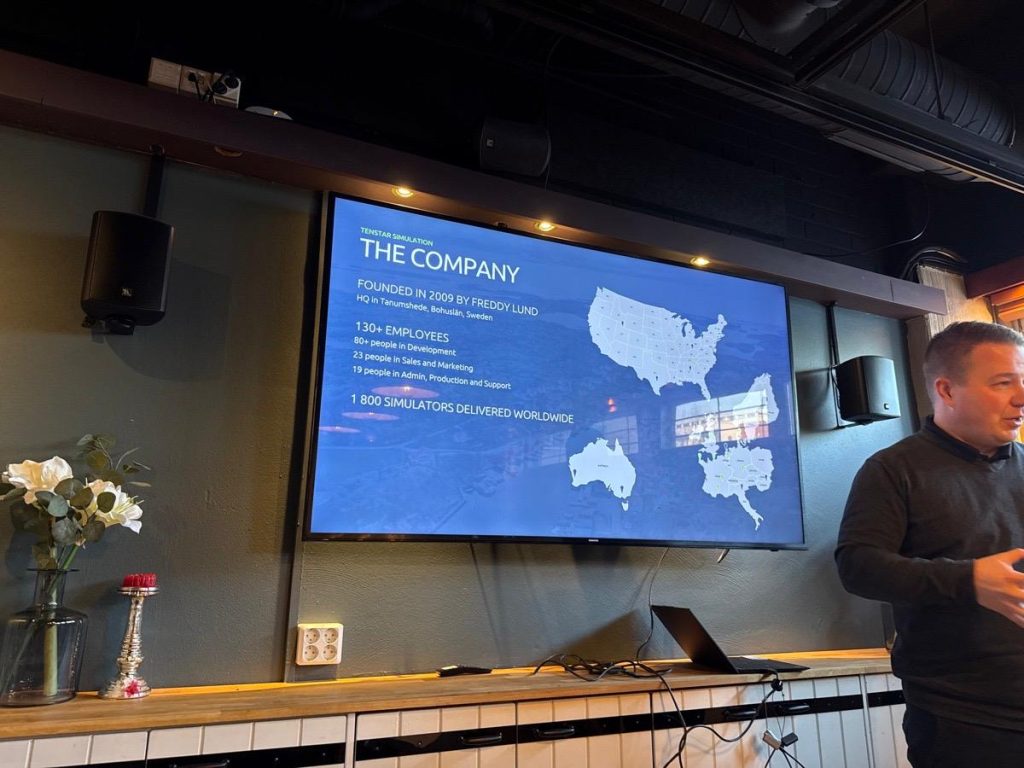
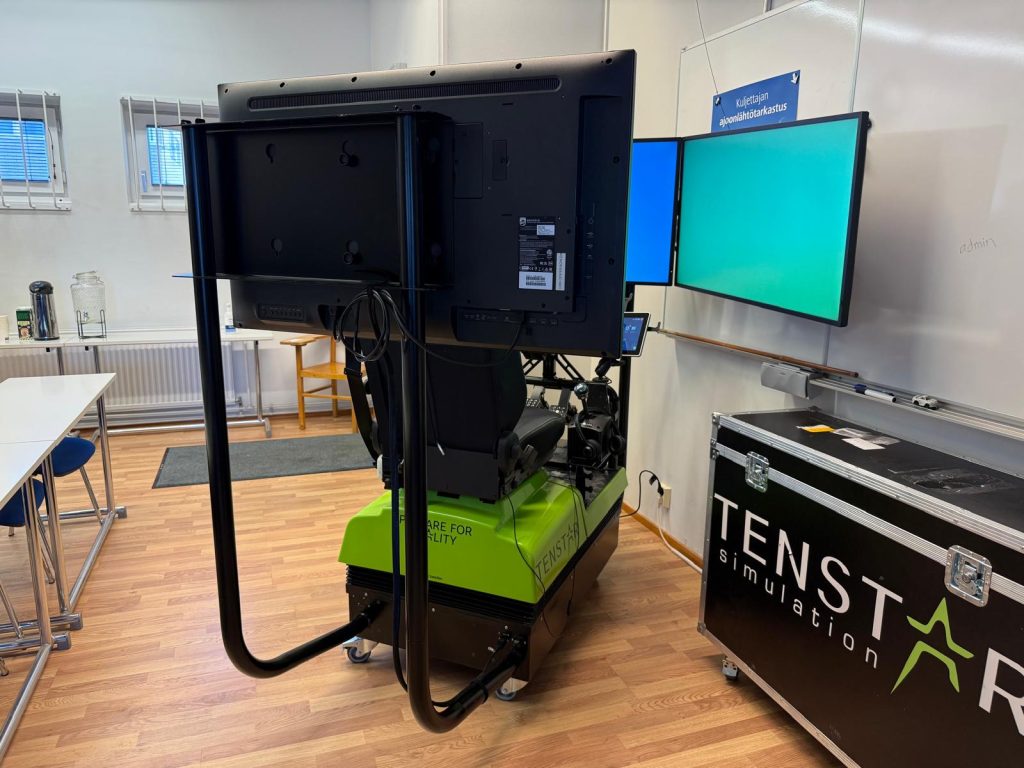
The visit started with a productive exchange with Tenstar, well-established company from Sweden focused on developing of educational driving simulators, to review current capabilities and future possibilities for integrating simulation into Driving Teacher Training curricula, both in Norway and Finland.
Visit to Copter Safety
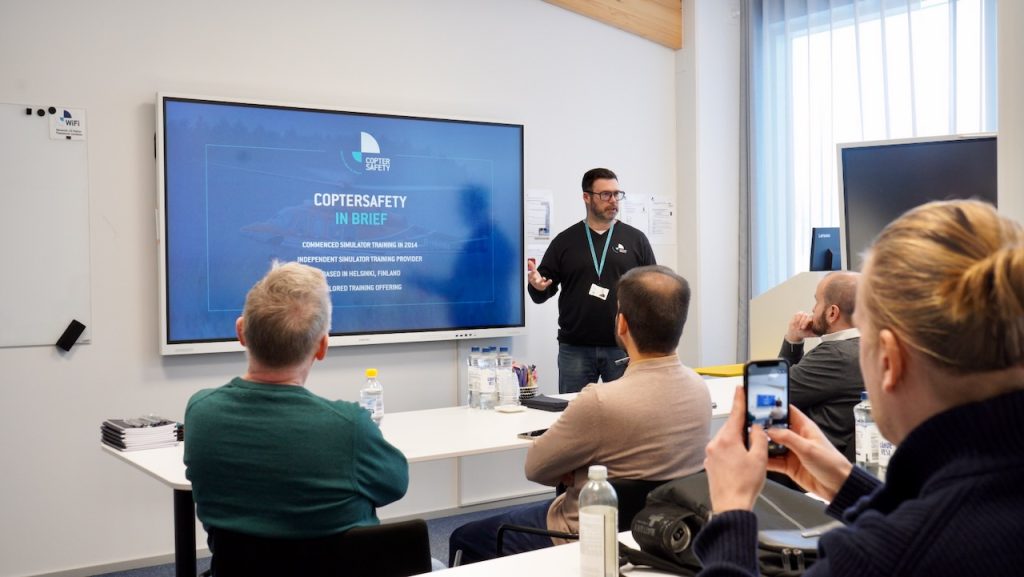
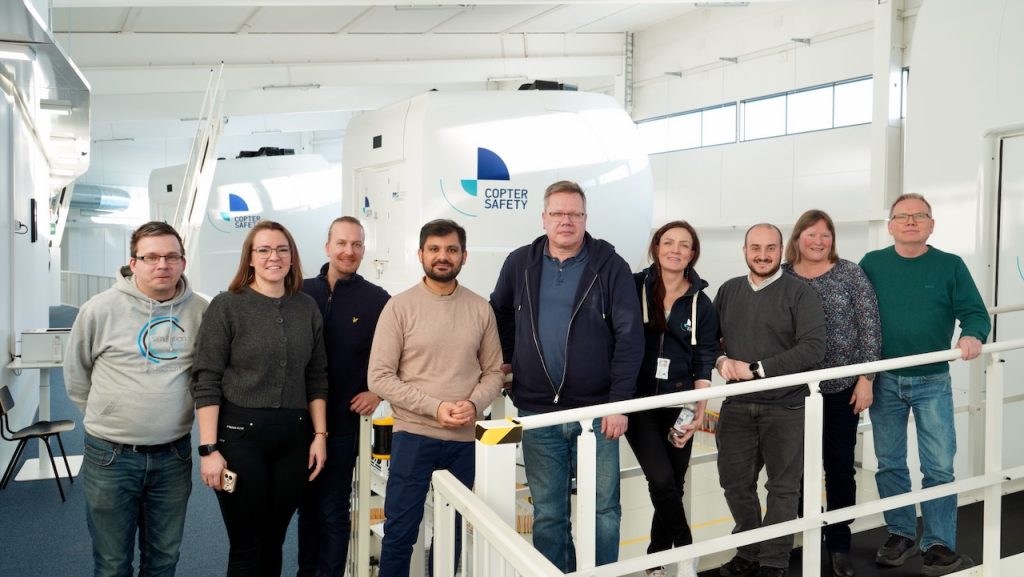
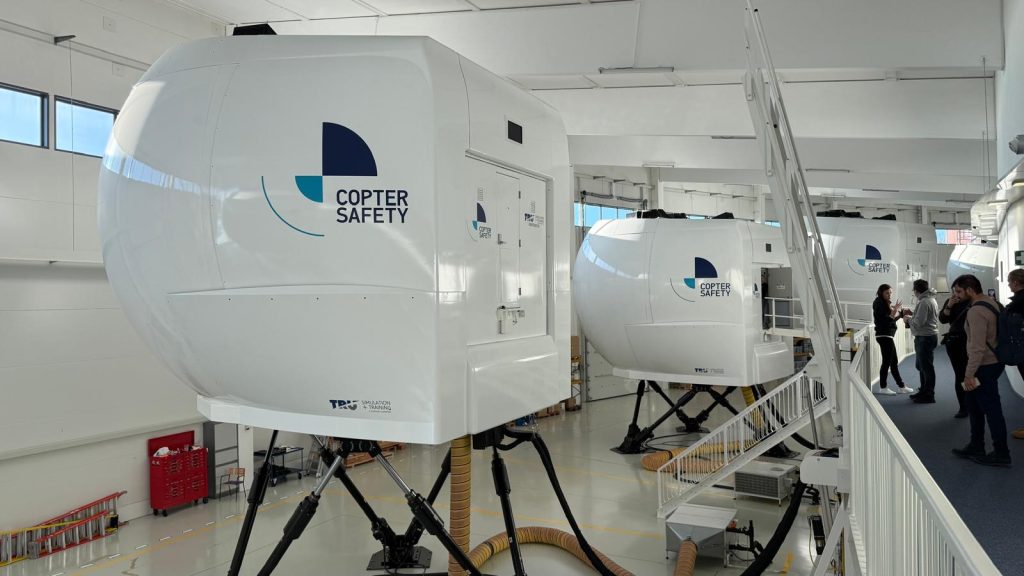
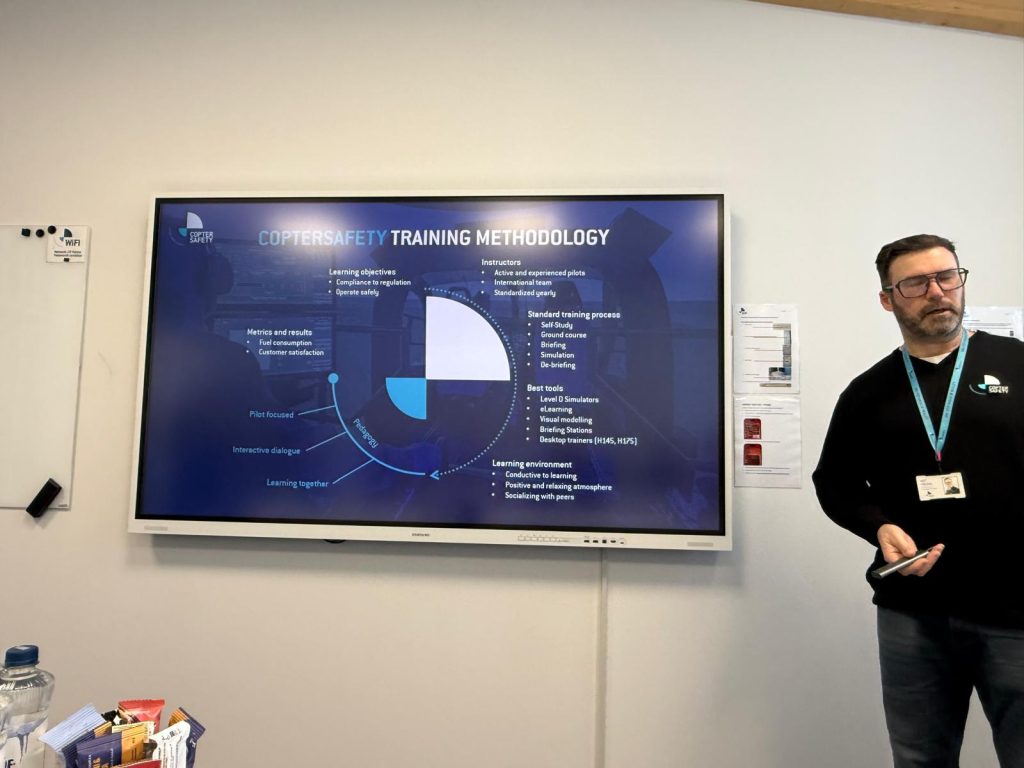
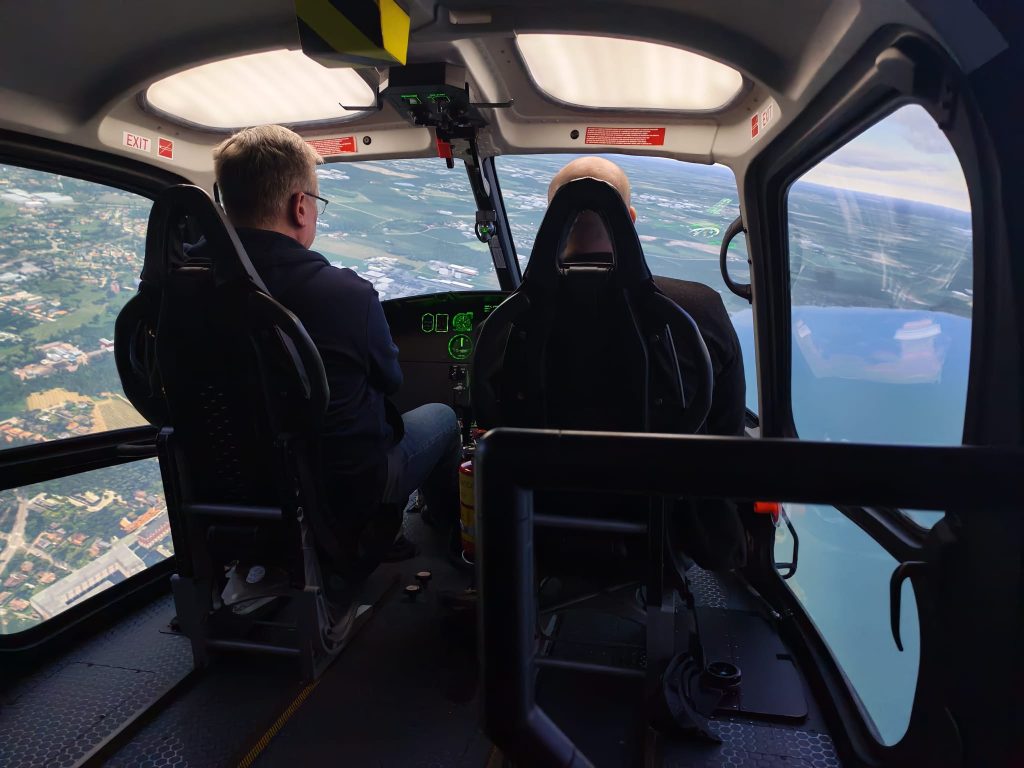
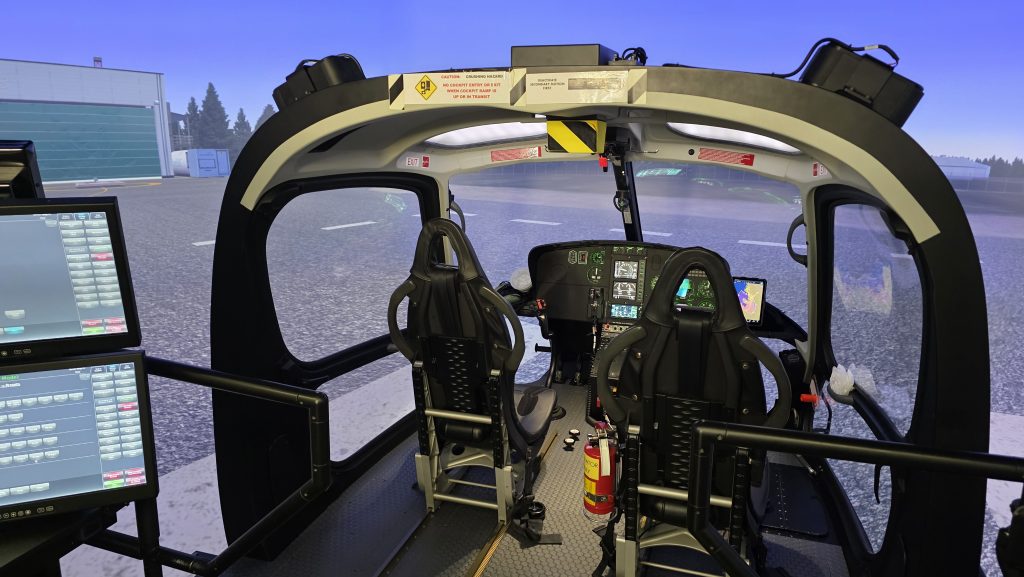
A key highlight was the visit to Copter Safety, a Helsinki‑based provider of advanced helicopter pilot training with high‑fidelity simulators. We examined training procedures, certification standards, and instructional practices in aviation simulation, identifying parallels—adapted to context—relevant to Driving Teacher education and the development of robust simulator‑supported learning outcomes. The visit informed the model‑development and pilot‑testing phases foreseen in the project plan.
Metropolia University of Applied Sciences
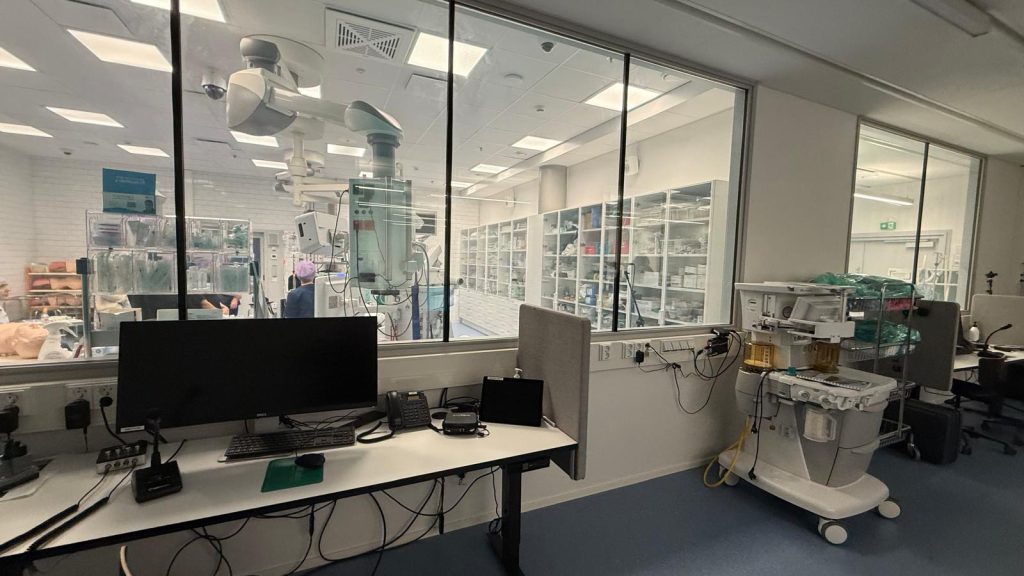
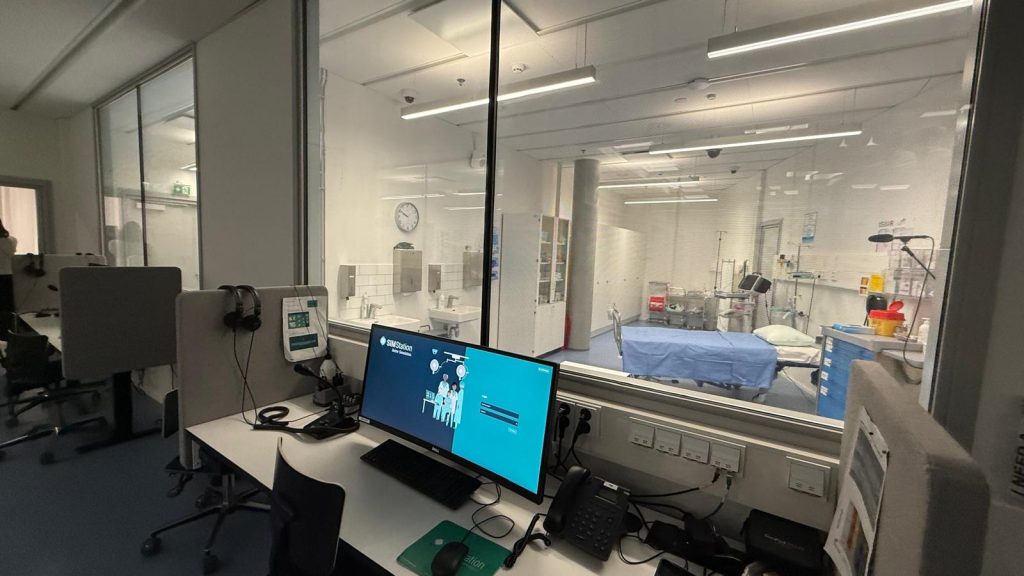
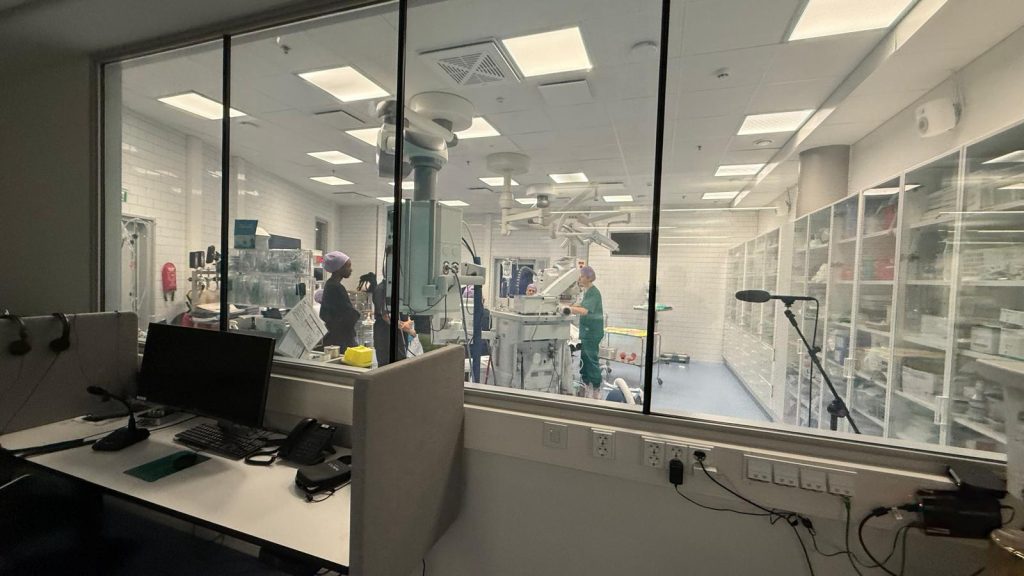
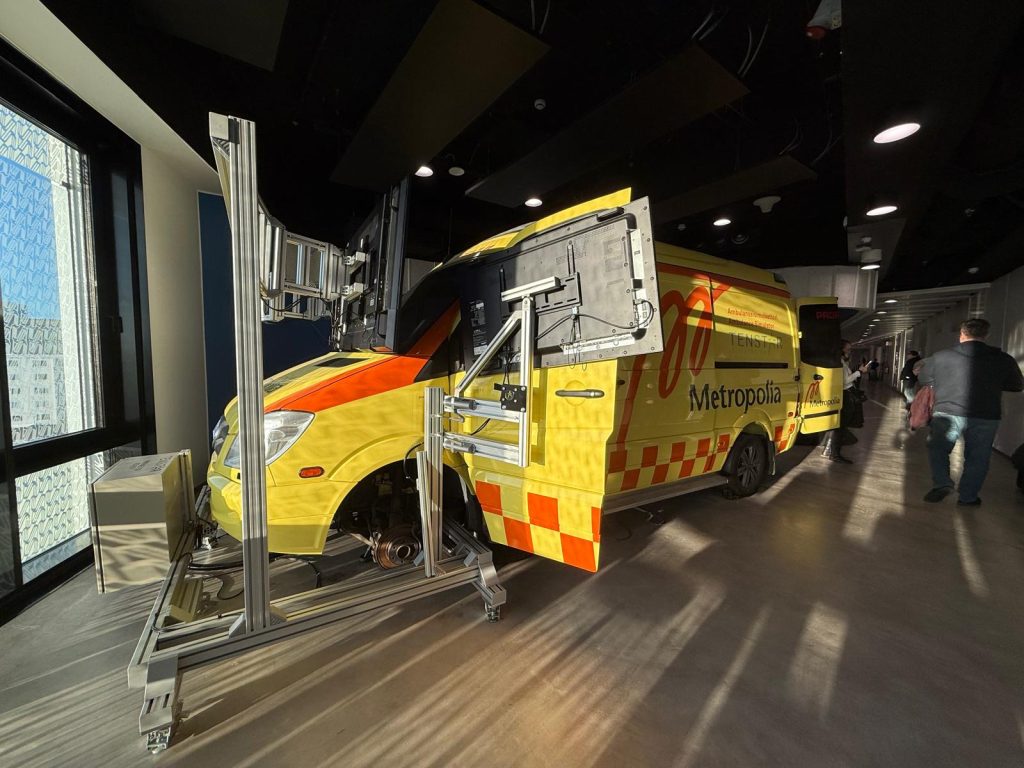
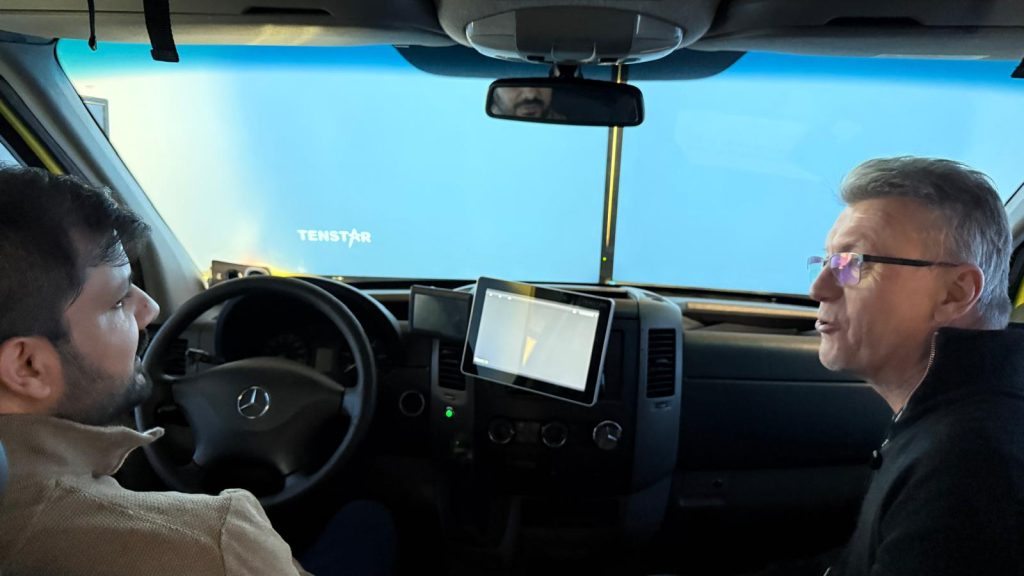
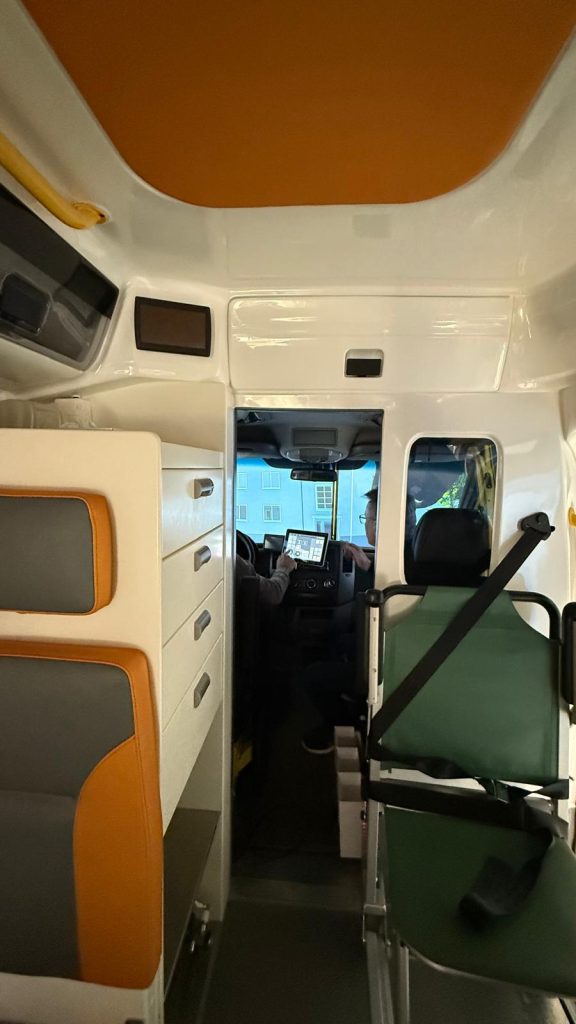
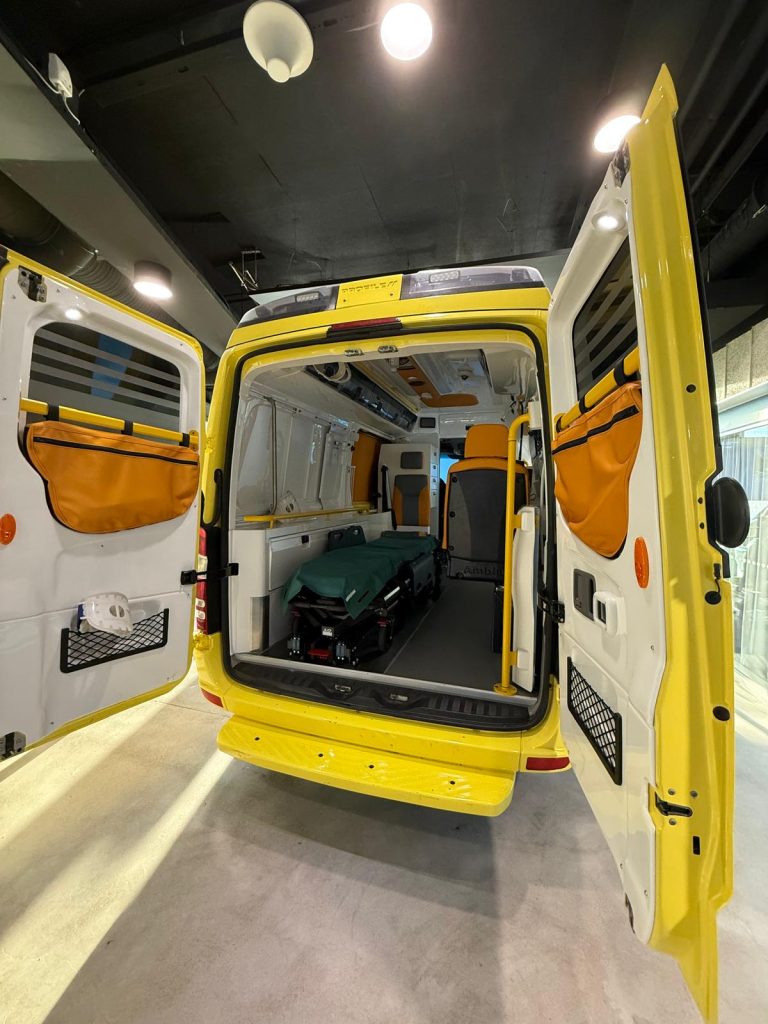
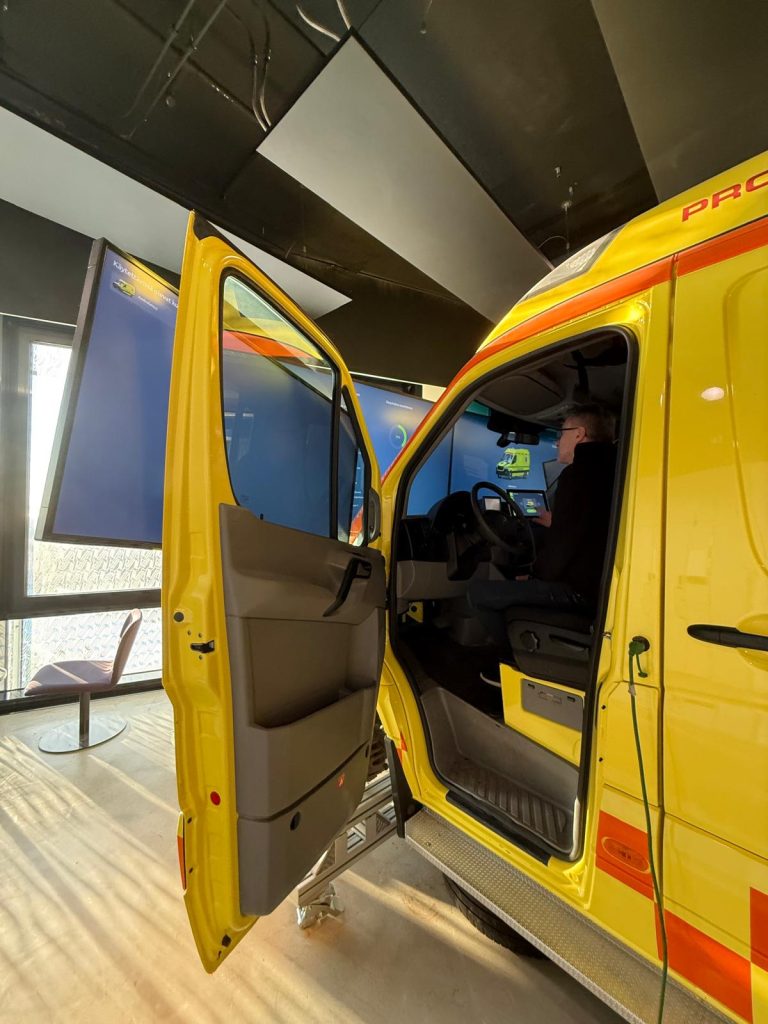
We also visited Metropolia University of Applied Sciences, exploring its simulation facilities for health sciences. The centre’s lab design, scenario‑based assessment, and integration of simulation across curricula offered concrete insights for our implementation and evaluation activities. A notable moment was testing an ambulance driving simulator used for emergency medical personnel, which provided ideas for scenario realism, workload management, and debriefing practices transferable to our context.
Hands‑On Testing of Simulators at Malmin Driving School
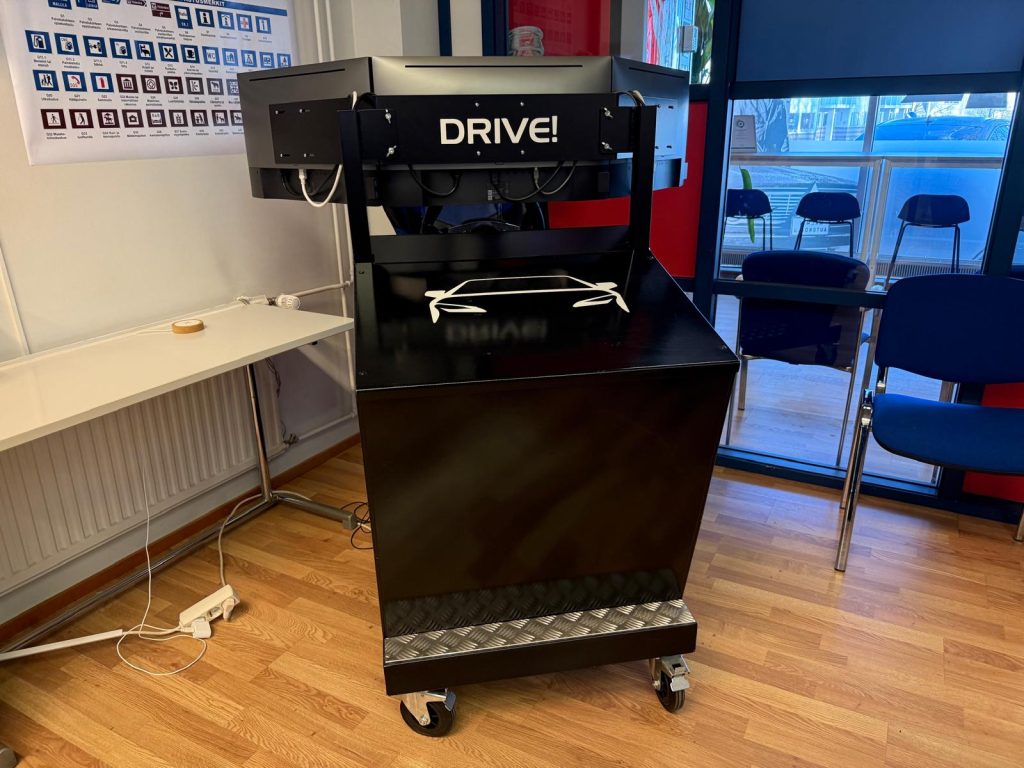
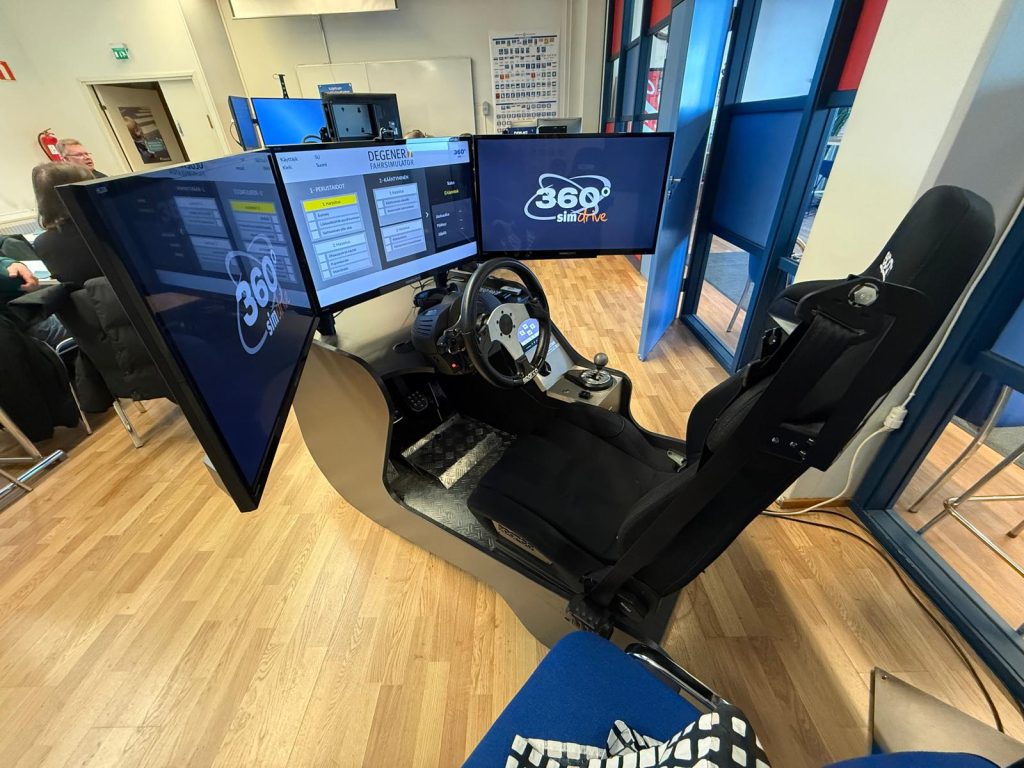
Another important part of our programme in Helsinki was the visit to Malmin Driving School, where we had the opportunity to explore how driving simulation is used in everyday driver training in Finland. During the visit, we tested three different simulators from three different manufacturers, some of which are regularly employed as part of mandatory training for learner drivers.
What makes the Finnish system particularly relevant for our Erasmus+ project is that simulator‑based training is officially permitted as a substitution for part of the compulsory on‑road driving hours required to obtain a driving licence. This stands in clear contrast to the situation in Norway, where simulation currently does not replace any portion of mandatory behind‑the‑wheel instruction. Observing how Finnish driving schools integrate simulation into their curriculum, both pedagogically and administratively, provided valuable insights for our ongoing work on developing a structured simulator pedagogy model.
How this visit supports the Erasmus+ work plan
The Helsinki programme directly contributes to several work‑packages budgeted in the contract, including:
- Development of the Simulator Pedagogy Model (design workshops, expert input, and creation of prototype modules), led by Nord University.
- Pilot training sessions and testing with Driving Teacher educators, to validate scenarios and feedback routines.
- Evaluation and refinement of the model through structured feedback and analysis.
- Dissemination towards the end of the project via a final seminar in Finland.
Conclusions
The visit offered a multidisciplinary view of high‑fidelity simulation—from aviation to healthcare and driver training—strengthening our approach to evidence‑based, technology‑enhanced methods for educating the Driving Teachers of the future. The insights gathered in Helsinki will feed directly into model development, pilot implementation, and evaluation over the 2025–2027 project period.