Project Summary
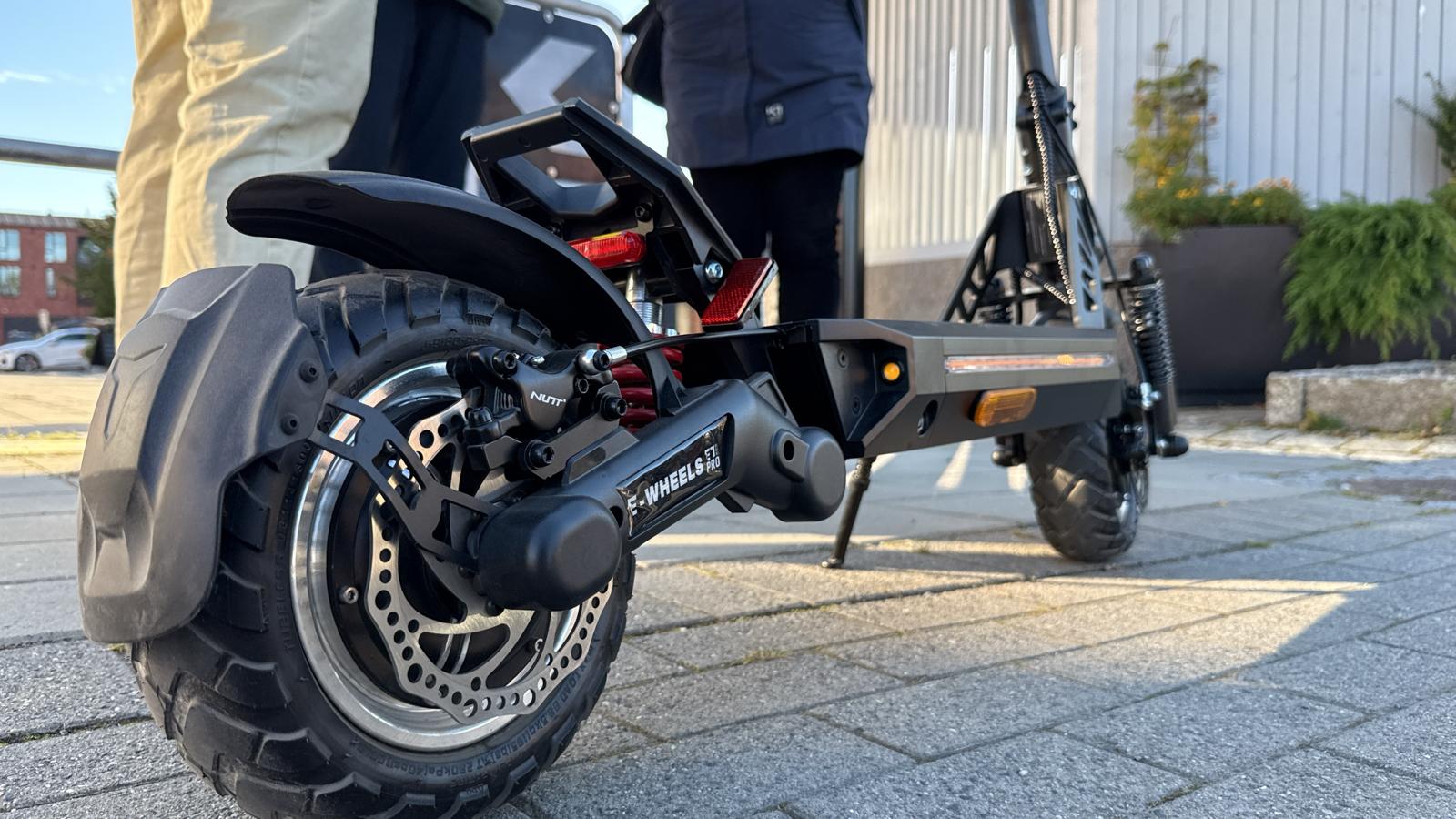
This research project investigates how e-scooter riders perceive and respond to risk in everyday urban settings. With the growing popularity of micromobility solutions like e-scooters, understanding rider behaviour is essential for improving safety, infrastructure planning, and public policy. Using immersive 360-degree video recordings, the study aims to capture real-world riding scenarios and analyse behavioural patterns particularly in situations where riders deviate from recommended paths, such as choosing pedestrian walkways instead of designated cycle lanes.
Objectives
Assess Risk Behaviour: Identify and evaluate risky riding behaviours in various urban scenarios.
Understand Decision-Making: Explore how riders make choices in real-time, especially when faced with uncertain or complex situations, such as interactions with pedestrians and infrastructure.
Advance Academic Knowledge: Contribute to the growing body of research on micromobility and road safety.
Methodology
(i) Field Study Design
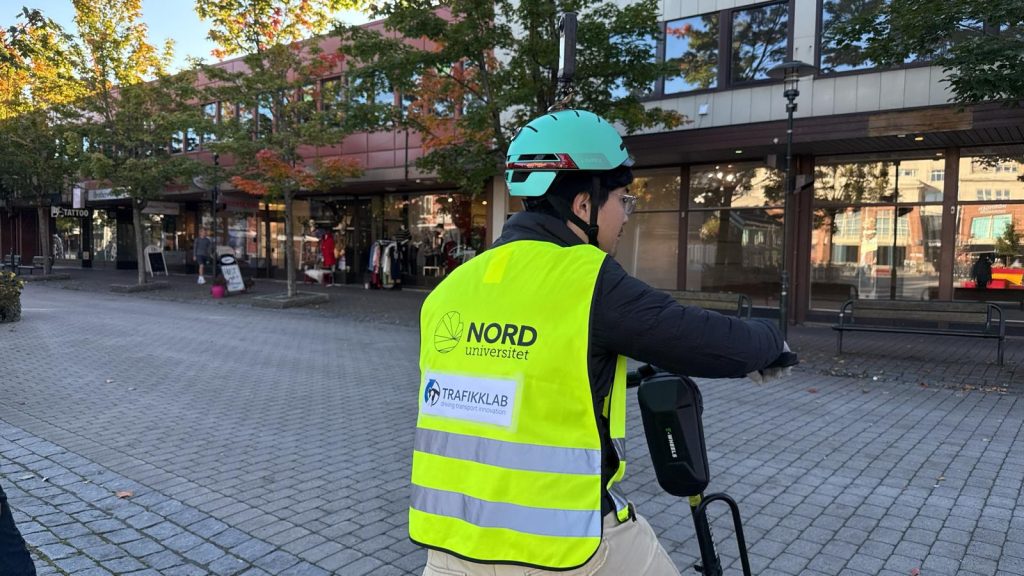
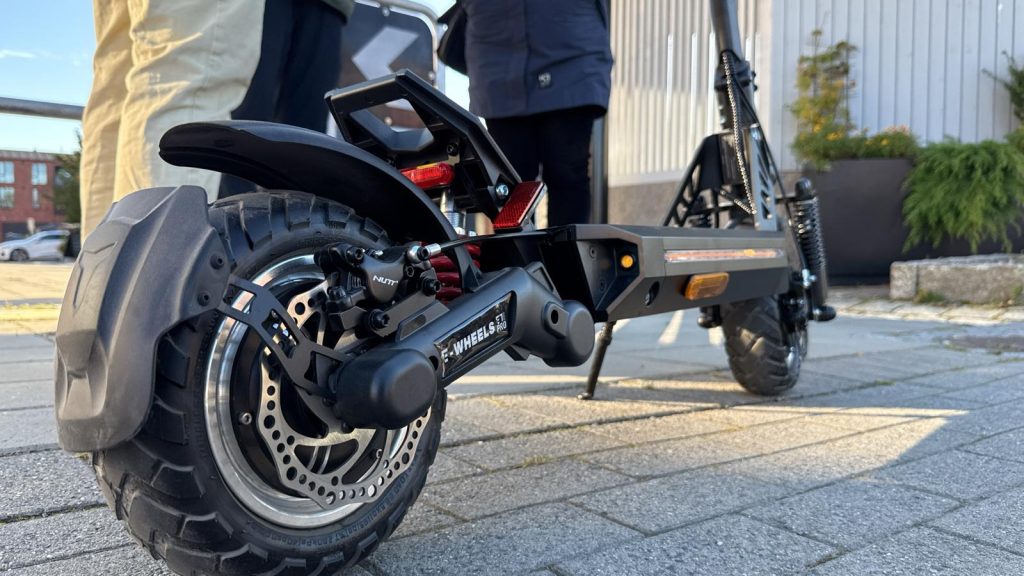
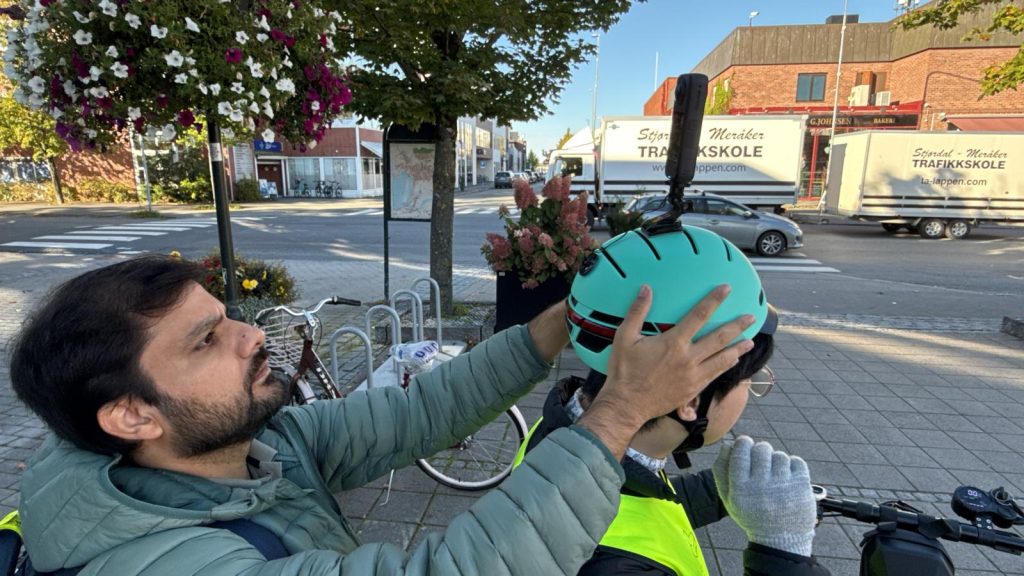
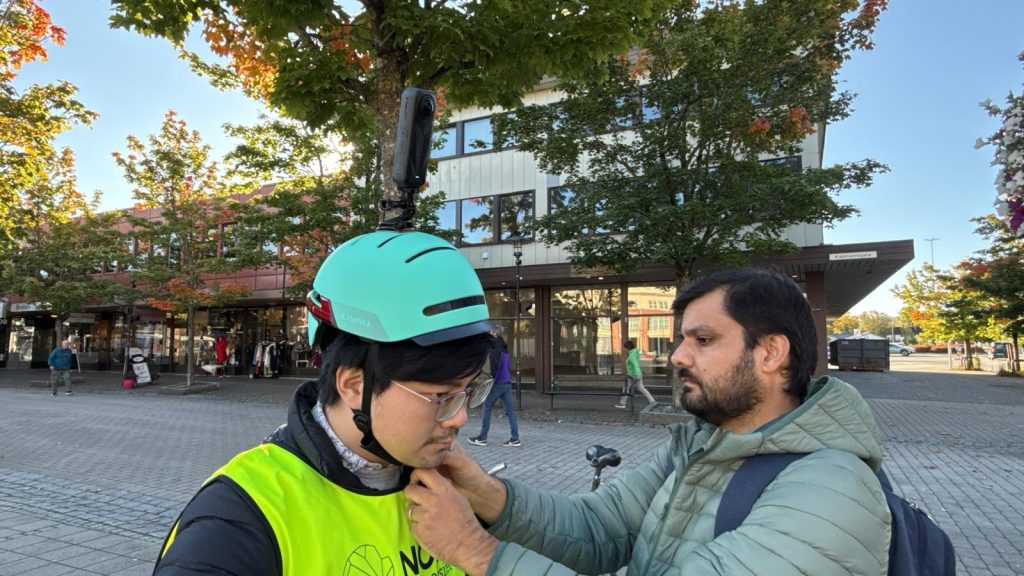
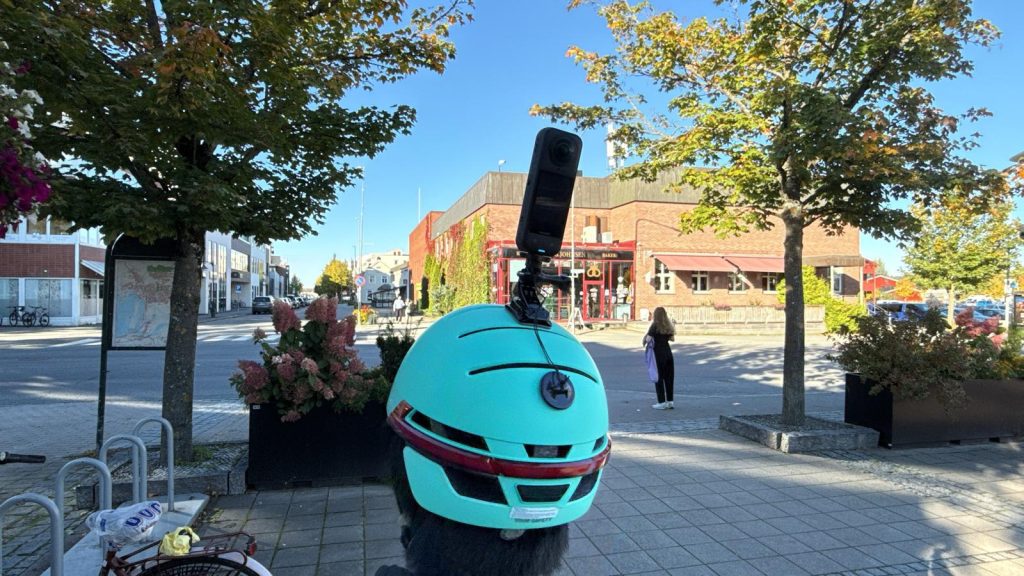
Recording Setup: A researcher from Nord University will ride an e-scooter equipped with a helmet-mounted 360-degree camera to capture immersive footage from the rider’s perspective.
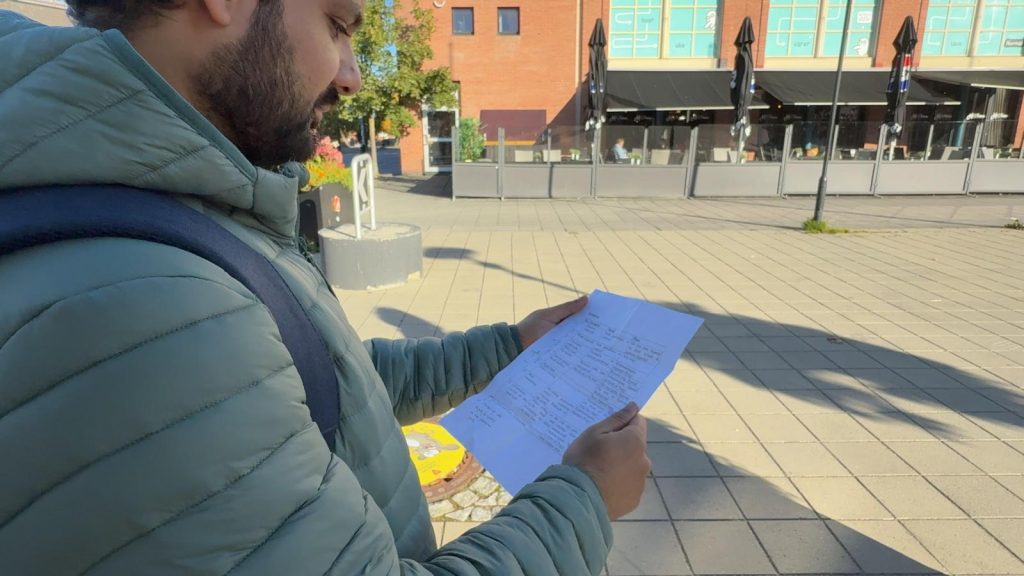
Location: Public areas in Stjørdal, including the city centre and the surrounding areas of the train station, will serve as the study environment.
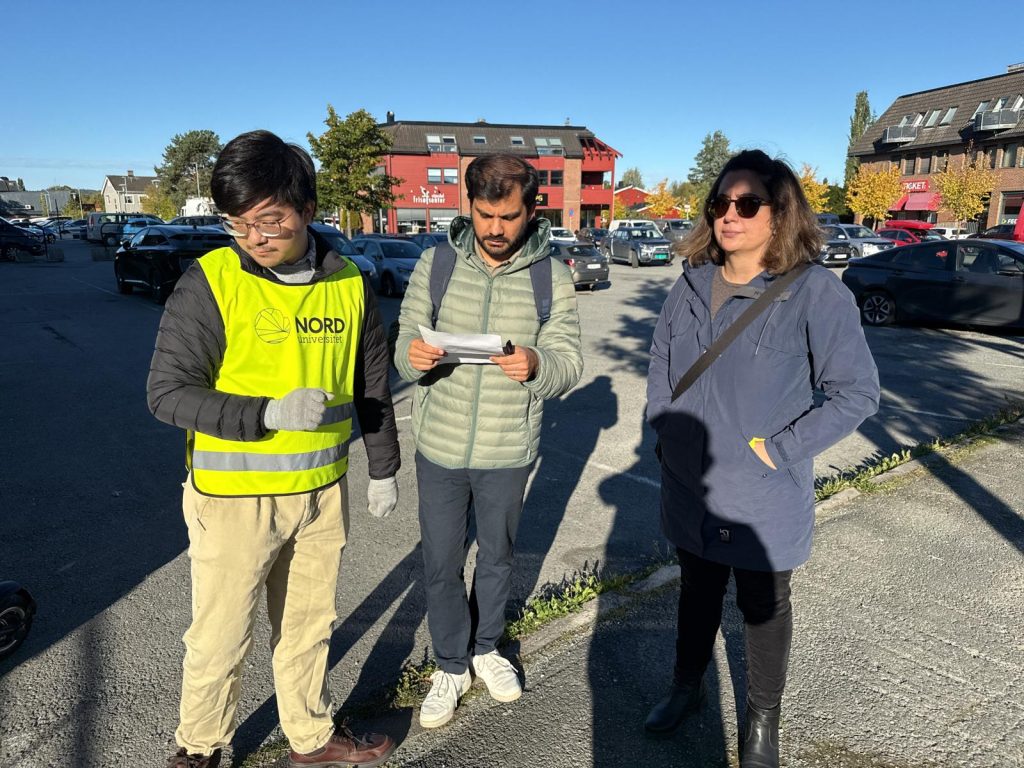
Transparency Measures: The rider will wear a high-visibility vest featuring the Nord University logo and a clear notice such as “Research Recording” to inform passersby without significantly altering their behaviour.
(ii) Data Collection Approach
Dynamic 360 Recording: The 360-degree camera setup allows for capturing interactions and conditions from the rider’s perspective throughout the defined study area.
Privacy Protection: Although the study takes place in public areas, all identifiable faces in the footage will be blurred during post-processing to ensure compliance with privacy regulations.
(iii) Data Analysis
In the initial phase of the study, the recorded 360-degree footage will be reviewed exclusively by the research team. This internal analysis will focus on assessing the risk levels associated with various riding behaviours observed in different urban scenarios. Through detailed observational review, researchers will conduct a qualitative assessment to identify behavioural patterns, anomalies, and contextual factors that influence rider decision-making. This approach will help build a comprehensive understanding of how e-scooter riders navigate complex situations and respond to perceived risks.