[1] Short Training on In-Car Touchscreens: Does It Improve Driving Performance?
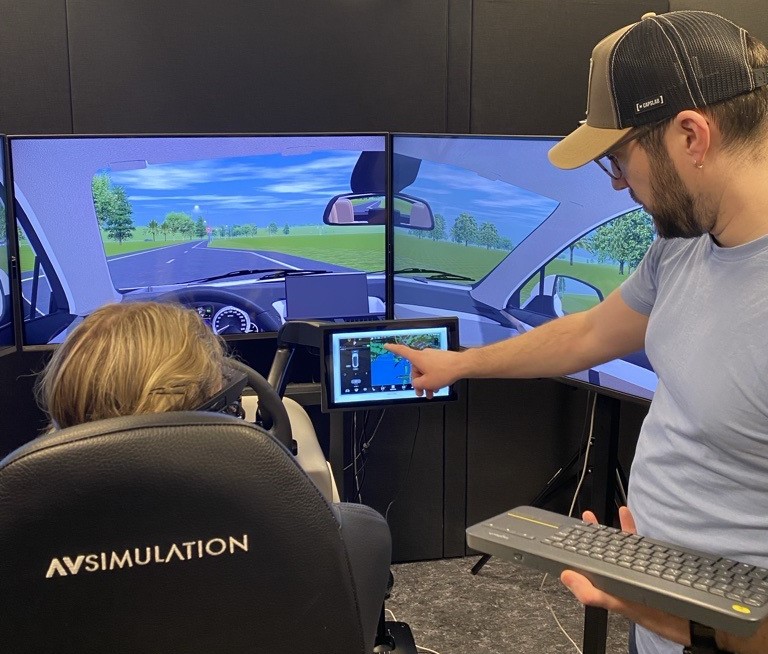
With advanced infotainment technologies becoming standard in modern vehicles, in-car touchscreens now play a central role in the driving experience. Despite their utility, these systems pose significant challenges, particularly in terms of driver distraction and unfamiliar controls. A recent investigation at the TRAFIKKLAB sought to determine whether short pre-drive training could enhance drivers’ touchscreen skills and reduce distractions during use.
Details
The research engaged 60 licensed Norwegian participants, evenly divided into trained and untrained groups. Utilizing a fixed-base driving simulator (THOR) and Eye Tracking Glasses, drivers navigated simulated motorway while handling secondary tasks on the touchscreen, such as modifying the climate settings or switching radio channels (activities frequently performed in everyday driving). The trained group received concise, targeted instructions on operating the interface prior to driving, whereas the untrained participants were left to interact with the system without preparation.
Key Findings:
Task Proficiency Improves: The trained group demonstrated higher task completion rates compared to their untrained counterparts. However, the increase in task completion did not translate to statistically significant improvements in driving performance metrics such as speed consistency or lateral control.
Challenges with Distraction: Distraction caused by using the in-car touchscreens resulted in more variability in speed and less stable lane positioning in both groups, suggesting that the brief training was insufficient to offset the cognitive load of multitasking.
Learning Over Time: Drivers across both groups improved in lateral control with repeated task performance, showcasing the value of familiarity and experience. However, this progression was independent of the pre-drive training.
Implications and Future Directions:
While short pre-drive training improved familiarity with in-car touchscreens interfaces, the results indicate its limited impact on overall driving safety. This highlights the need for more immersive or interactive training methods and advanced interface designs that minimize driver distraction. Future studies should focus on the long-term effects of training and its scalability across different vehicles and driver demographics.
This research contributes to the growing dialogue on balancing innovation in vehicle design with road safety, emphasizing the need for continued development in driver education and technology optimization.
[2] Enhancing Driver Safety in Automated Vehicles: Insights into Take-over Control Mechanisms
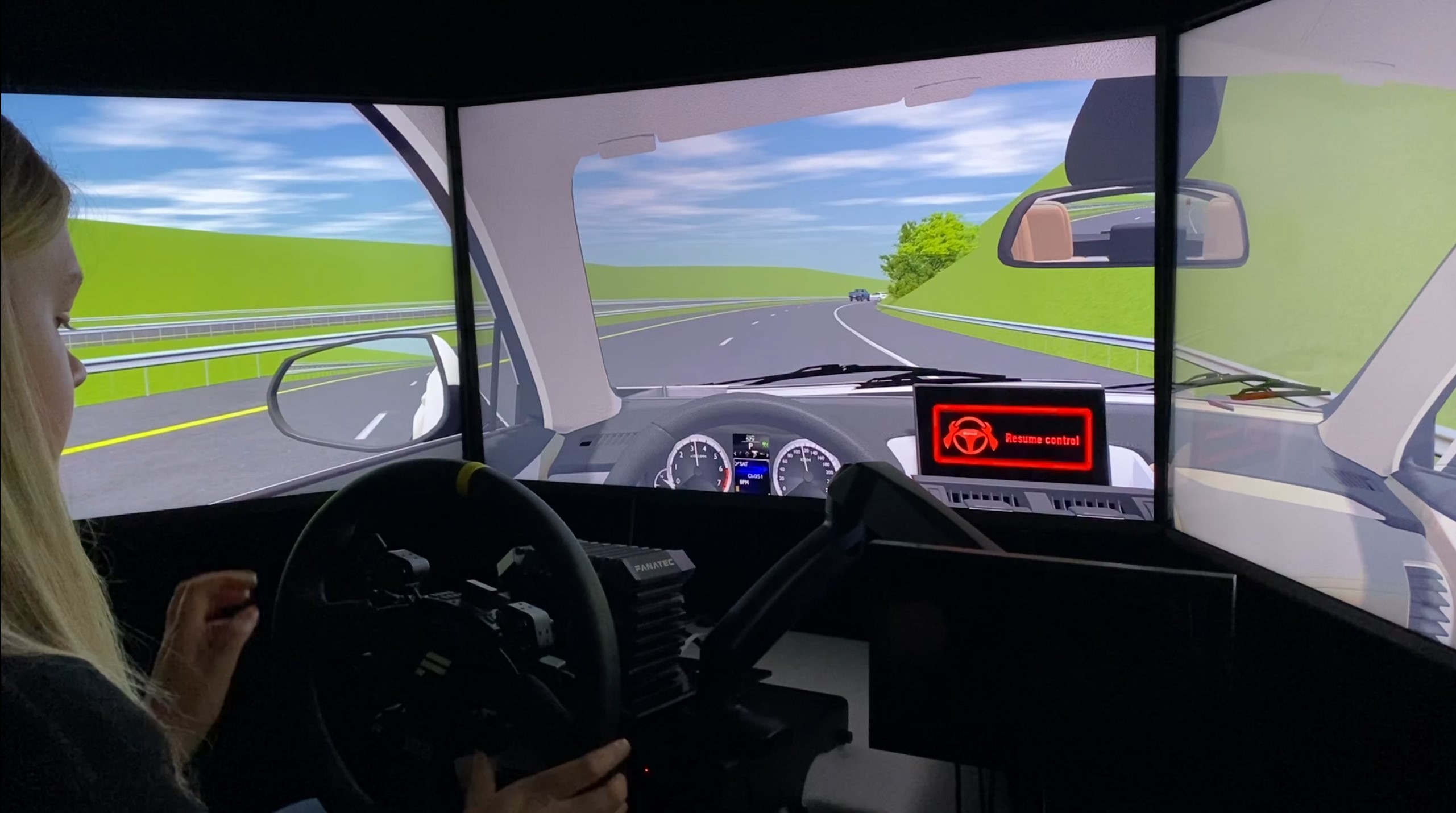
As the era of Conditionally Automated Driving (CAD) advances, striking a balance between automation and human intervention has become crucial for road safety. CAD systems, classified as Level 3 automation by the Society of Automotive Engineers (SAE), require drivers to take over control (TOC) during specific scenarios. Evaluating the efficiency of different TOC mechanisms is vital to improving safety and user trust in these systems.
Details
In a collaborative study between NORD University (Norway) and Politecnico di Torino (Italy), experiments were conducted at TRAFIKKLAB using a fixed-base driving simulator (THOR). The study assessed three TOC mechanisms: (i) pedal actions (accelerate/brake), (ii) pressing a button, and (iii) steering, with thirty Norwegian drivers in merging, diverging, and critical collision-avoidance scenarios.
Key Findings:
Pedal Mechanism: Found to be the most effective, it resulted in the fastest reaction times, shortest TOC durations, and the highest Minimum Time-to-Collision (MTTC) values, particularly during emergencies.
Button Mechanism: While easy to operate, this method showed the slowest reaction times and the lowest MTTC values, indicating higher safety risks.
Steering Mechanism: Although natural for lateral control, this option required higher cognitive effort, leading to longer TOC durations and increased acceleration variability.
Research Insights & Future directions: The study highlights the dominance of intuitive mechanisms like pedal-based control, which leverage drivers’ familiarity to enhance response speed and safety. The findings support the further development of multi-modal TOC systems that integrate the strengths of various mechanisms. Additionally, future research should incorporate various traffic conditions and potential driver distractions to expand understanding of TOC effectiveness.
[3] Analyzing Braking Distances at Various Speeds for Passenger Cars Towing Braked and Unbraked Trailers
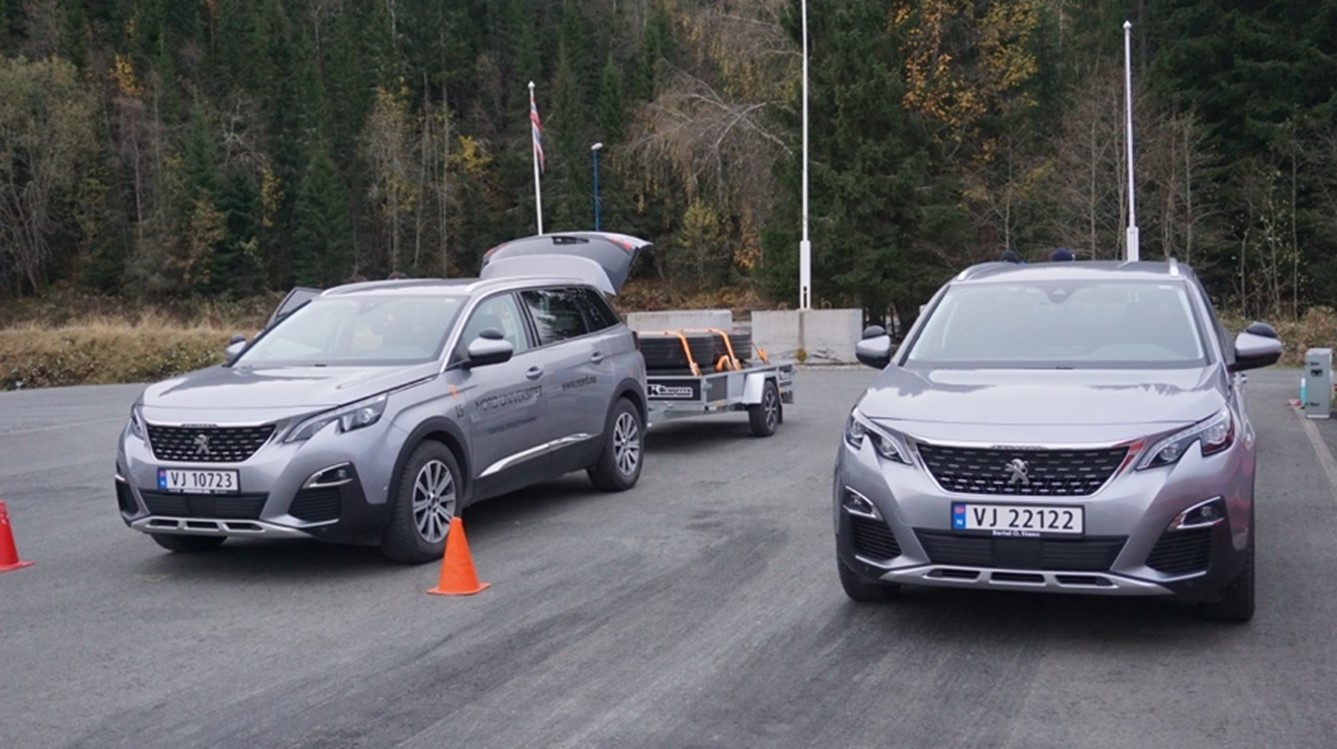
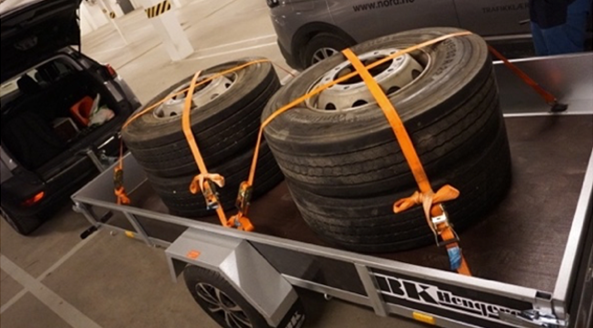
The safety implications of a 2022 regulatory amendment that raised the maximum speed for cars towing unbraked trailers (up to 750 kg) from 60 km/h to 80 km/h were evaluated in this study. The regulation aimed to harmonize vehicle speeds, reduce overtaking, and enhance traffic flow; however, its impact on road safety remained unclear.
Details
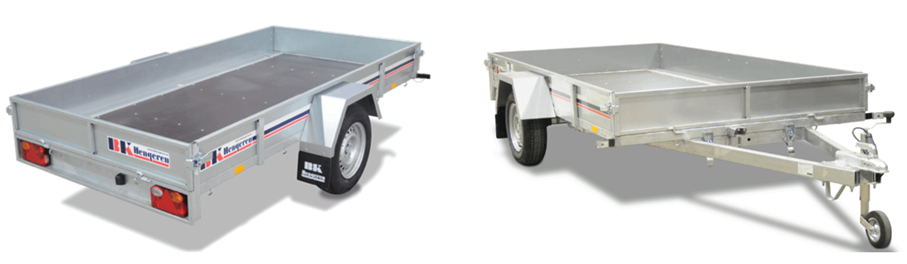
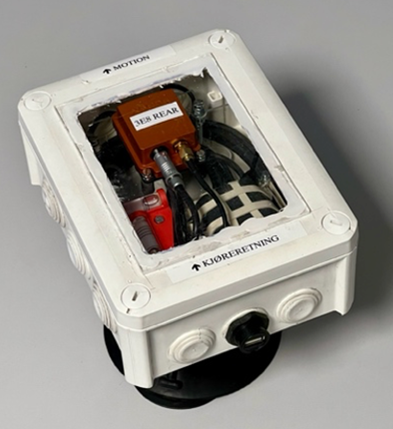
To address this, controlled track tests were conducted using two vehicles (Peugeot 5008) and two trailers: one with brakes and one without. The tests were performed with both loaded and unloaded trailers under predefined experimental conditions. Motion sensors with integrated GNSS technology were mounted on the trailers to measure speed, position, and accelerations (longitudinal and lateral) accurately.
Key Findings
- Braking Performance: Unbraked trailers demonstrated significantly longer braking distances at higher speeds, highlighting critical safety concerns compared to braked trailers.
- Deceleration: Loaded unbraked trailers exhibited substantially weaker deceleration, emphasizing increased risks, particularly at higher speed limits.
Implications for Road Safety
This study highlights the importance of balancing improved traffic flow with safety considerations. The results draw attention to the increased risks associated with towing unbraked trailers, particularly under real-world conditions such as wet surfaces and varying road temperatures. Further research into driver behaviour, environmental influences, and advancements in vehicle safety technology is crucial. These findings can provide key insights for shaping road safety policie
[4] Is the Current Road Infrastructure Suitable for Conditionally or Fully Automated Vehicles?
Our research explores whether existing road infrastructure can effectively support conditionally and fully automated vehicles. Using driving simulator experiments and eye tracker, we are evaluating different road geometric designs and traffic flow conditions to understand their impact on driving performance and behaviour. This study aim to identify necessary infrastructure improvements to facilitate the safe and efficient integration of automated vehicles into real-world traffic.
[5] Risk perception of e-scooter use under varying scenarios: A virtual reality study

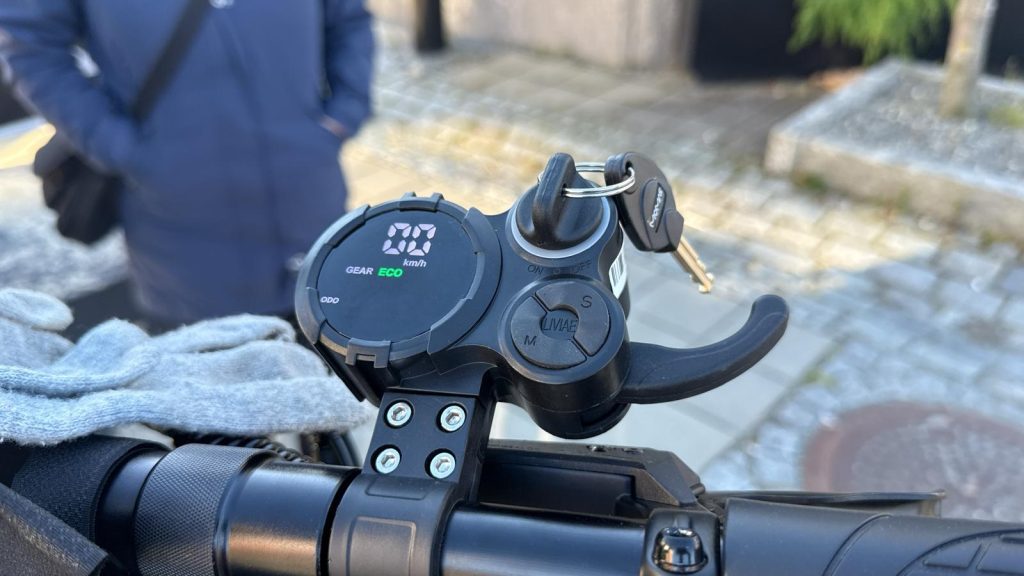
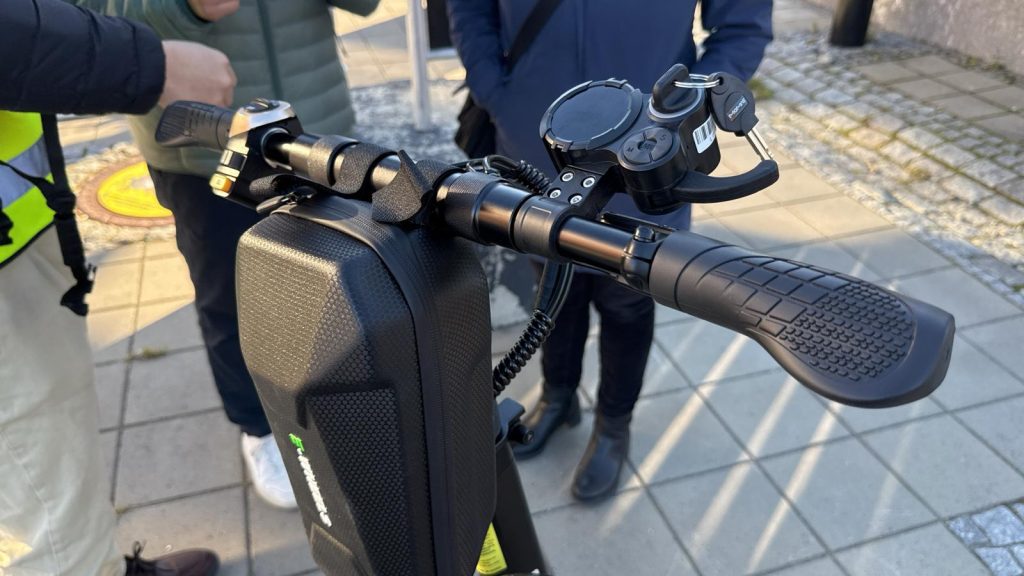
Details
Project Summary
This research project investigates how e-scooter riders perceive and respond to risk in everyday urban settings. With the growing popularity of micromobility solutions like e-scooters, understanding rider behaviour is essential for improving safety, infrastructure planning, and public policy. Using immersive 360-degree video recordings, the study aims to capture real-world riding scenarios and analyse behavioural patterns particularly in situations where riders deviate from recommended paths, such as choosing pedestrian walkways instead of designated cycle lanes.
Objectives
Assess Risk Behaviour: Identify and evaluate risky riding behaviours in various urban scenarios.
Understand Decision-Making: Explore how riders make choices in real-time, especially when faced with uncertain or complex situations, such as interactions with pedestrians and infrastructure.
Advance Academic Knowledge: Contribute to the growing body of research on micromobility and road safety.
Methodology
(i) Field Study Design
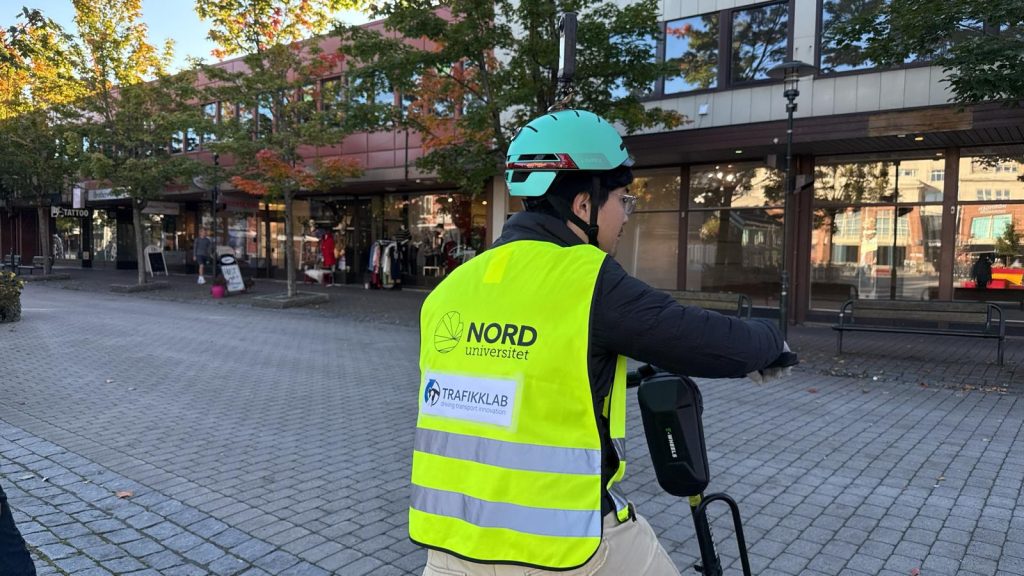
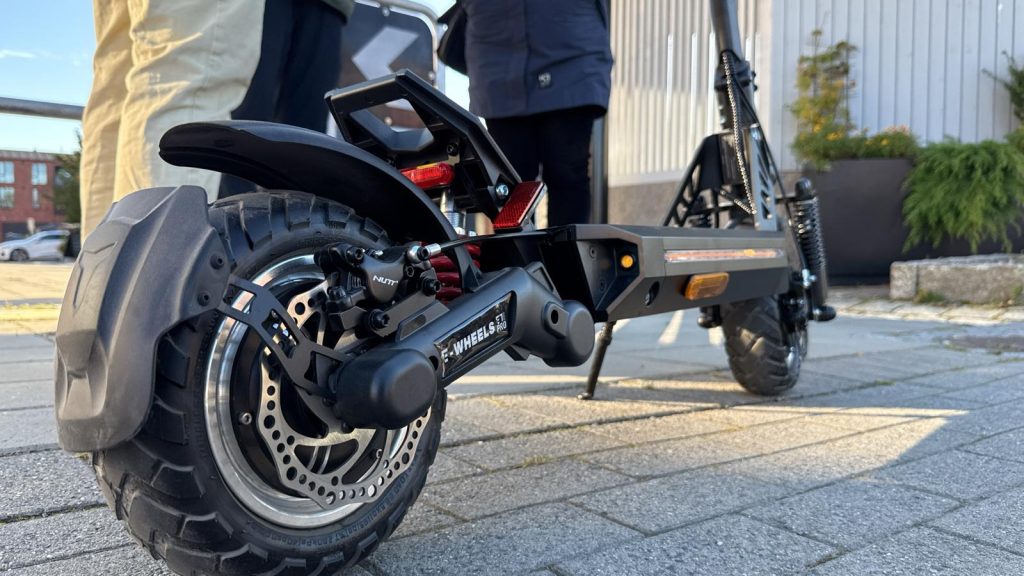
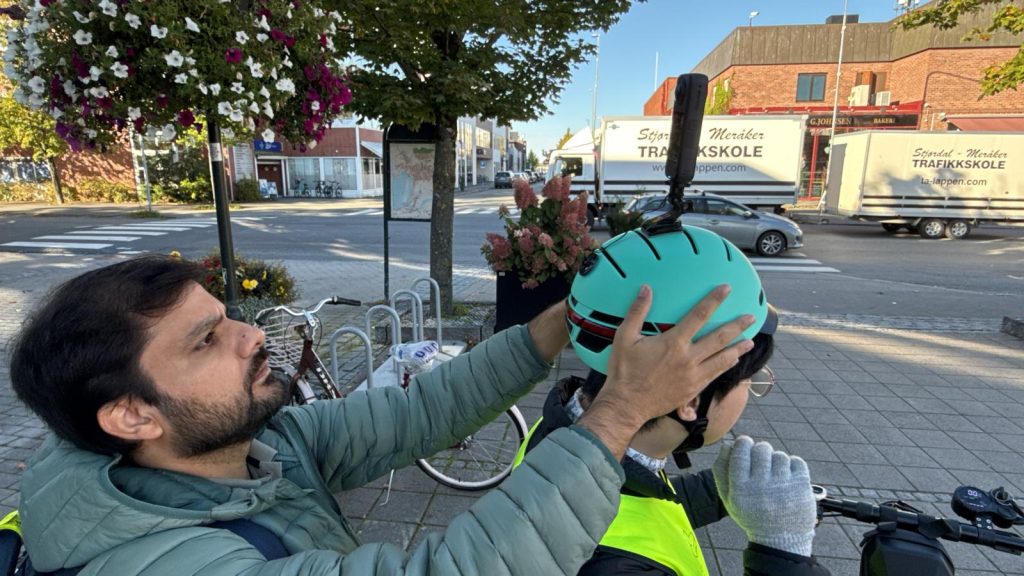
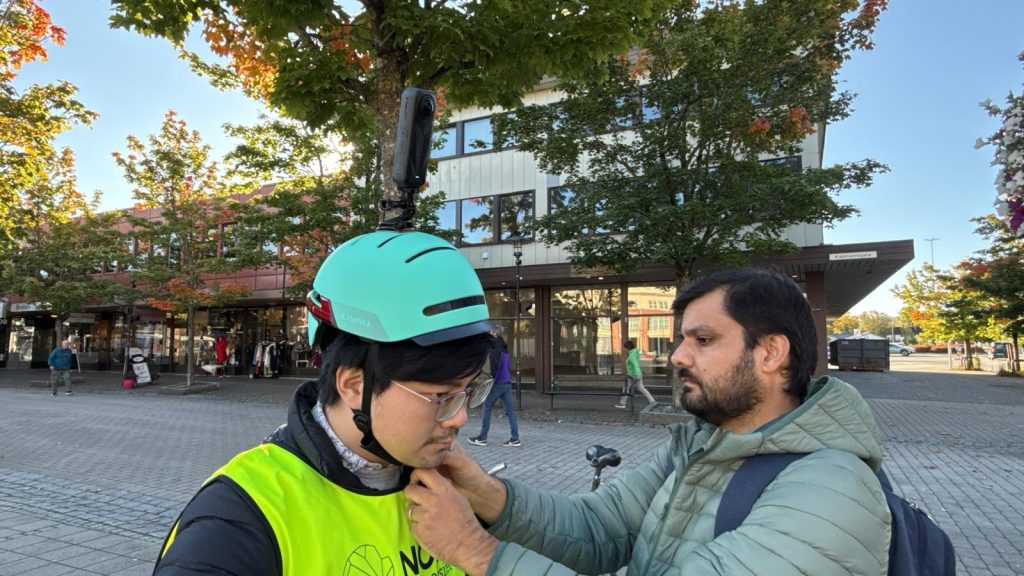
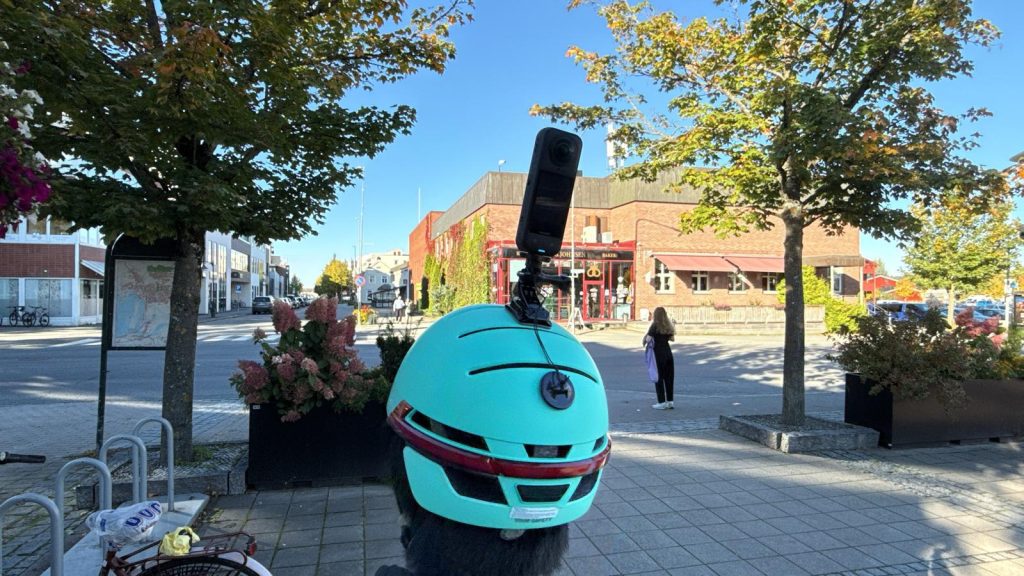
Recording Setup: A researcher from Nord University will ride an e-scooter equipped with a helmet-mounted 360-degree camera to capture immersive footage from the rider’s perspective.
Location: Public areas in Stjørdal, including the city centre and the surrounding areas of the train station, will serve as the study environment.
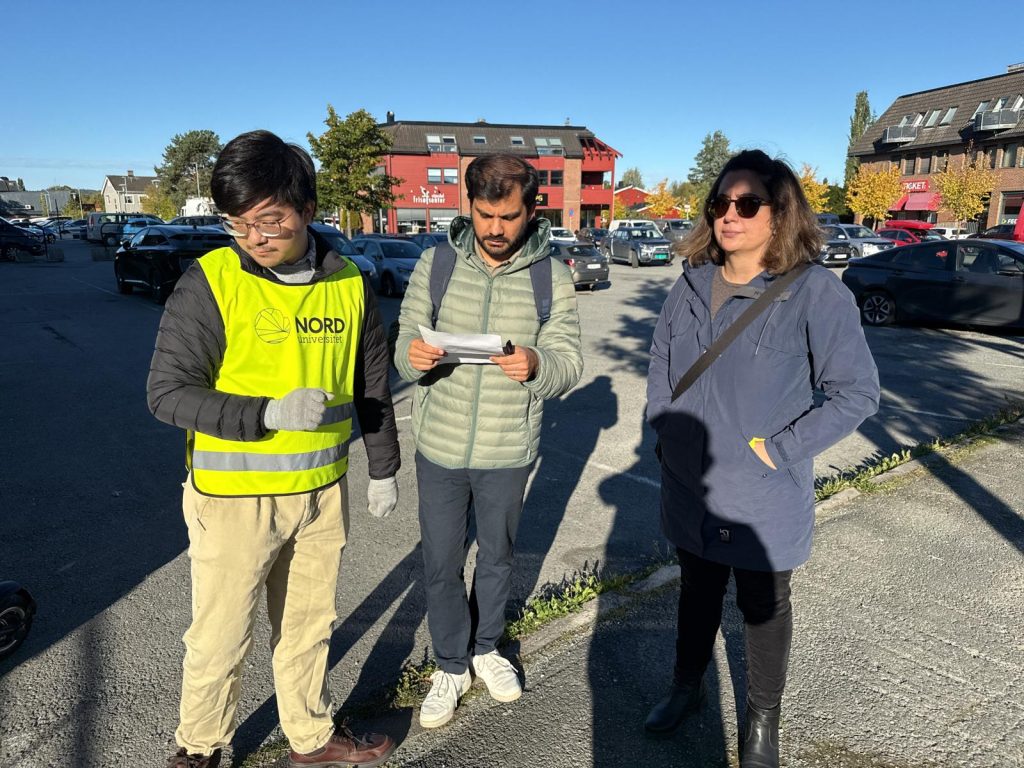
Transparency Measures: The rider will wear a high-visibility vest featuring the Nord University logo and a clear notice such as “Research Recording” to inform passersby without significantly altering their behaviour.
(ii) Data Collection Approach
Dynamic 360 Recording: The 360-degree camera setup allows for capturing interactions and conditions from the rider’s perspective throughout the defined study area.
Privacy Protection: Although the study takes place in public areas, all identifiable faces in the footage will be blurred during post-processing to ensure compliance with privacy regulations.
(iii) Data Analysis
In the initial phase of the study, the recorded 360-degree footage will be reviewed exclusively by the research team. This internal analysis will focus on assessing the risk levels associated with various riding behaviours observed in different urban scenarios. Through detailed observational review, researchers will conduct a qualitative assessment to identify behavioural patterns, anomalies, and contextual factors that influence rider decision-making. This approach will help build a comprehensive understanding of how e-scooter riders navigate complex situations and respond to perceived risks.