| Speaker | Profil picture |
|---|---|
| Anastasiya Henk serves as Associate Professor in management and strategy for digital transformation. She leads the Digital Management and Marketing Research group and serves as the Leader of the Nord University Academic GenAI Resource Group, responsible for strengthening the university’s academic work on artificial intelligence across disciplines. Her research interests include the human-AI collaboration, AI governance in public sector organizations, business process management, and social media marketing. Anastasiya is involved in various projects with national and international funding and her research has been published in internationally recognized research journals. | 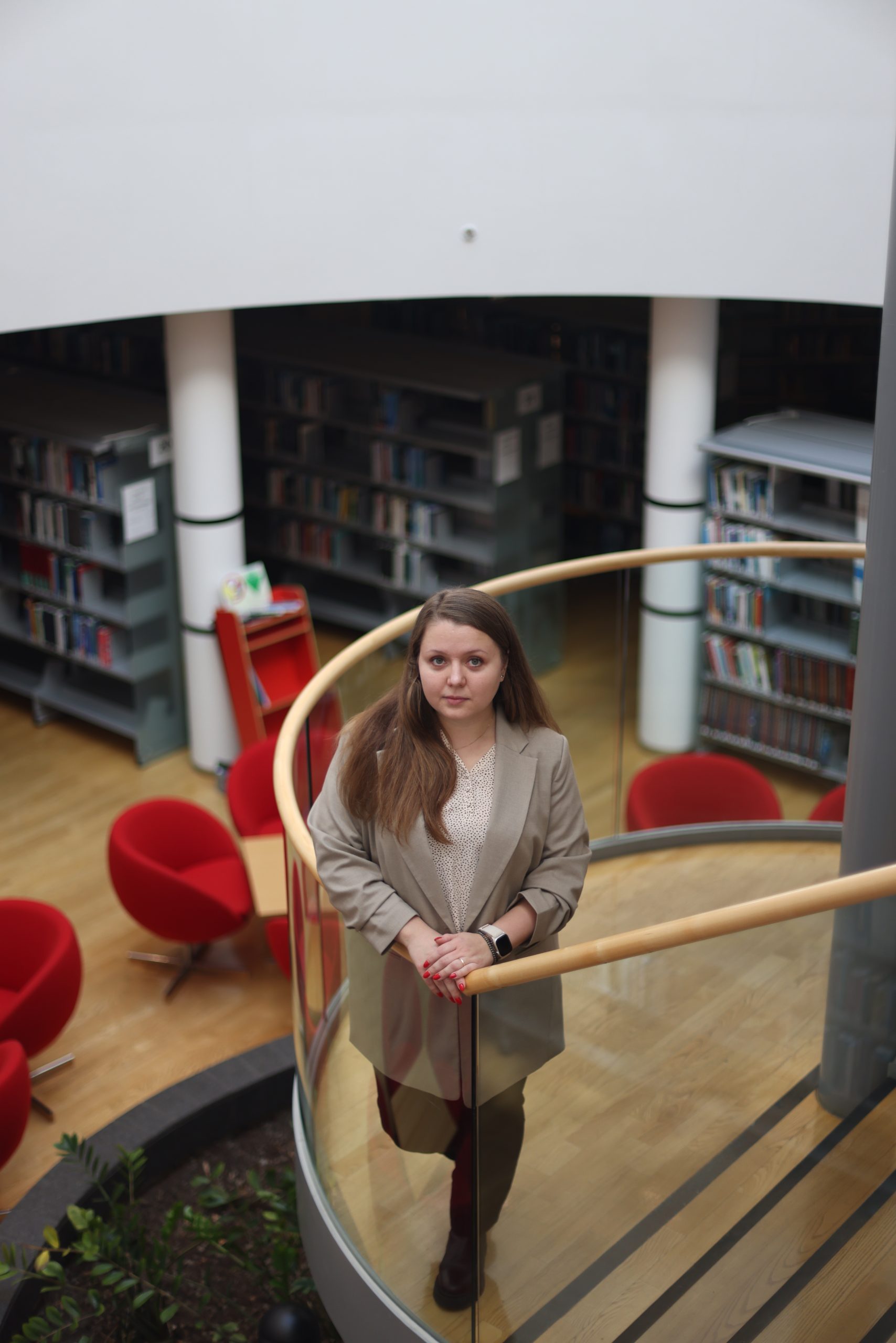 |
| Dolores Modic is an Associate Professor in Innovation and Management at Nord University Business School, Nord University, Norway.. Currently she is a visiting researcher at University of Cambridge, IfM at the Innovation and Intellectual Property Lab (IIPM). She also leads the Centre for Technology Transfer and Intellectual Property at Rudolfovo – scientific and technological centre Novo Mesto, Slovenia. Previously, she has been a Fulbright Scholar in the US at UNC Chapel Hill (2015), and the JSPS Research Fellow at Kyushu University in Japan (2016-2018). Dolores has published in leading scientific journals in innovation and management (including Research Policy – AJG 4*). She is also an ad hoc reviewer for several top tier journals and serves as an expert to funding agencies. Dolores has also participated in more than 15 projects (sponsored by agencies in Europe, USA and Asia), with various roles (author, PI, WP leader etc.). |  |
| Oliver Henk is associate professor in management control. His research focuses on governance, AI, and methodological innovation to increase efficiency in research, analysis, and data visualization. He holds a Ph.D. in Business from Nord University Business School, where his work focused on internal control and risk management in interorganizational relationships across complex contexts, including fisheries, health care, and accounting firms. Oliver remains interested in calculative practices, non-quantifiable phenomena, and organizational change and has presented and published internationally. | 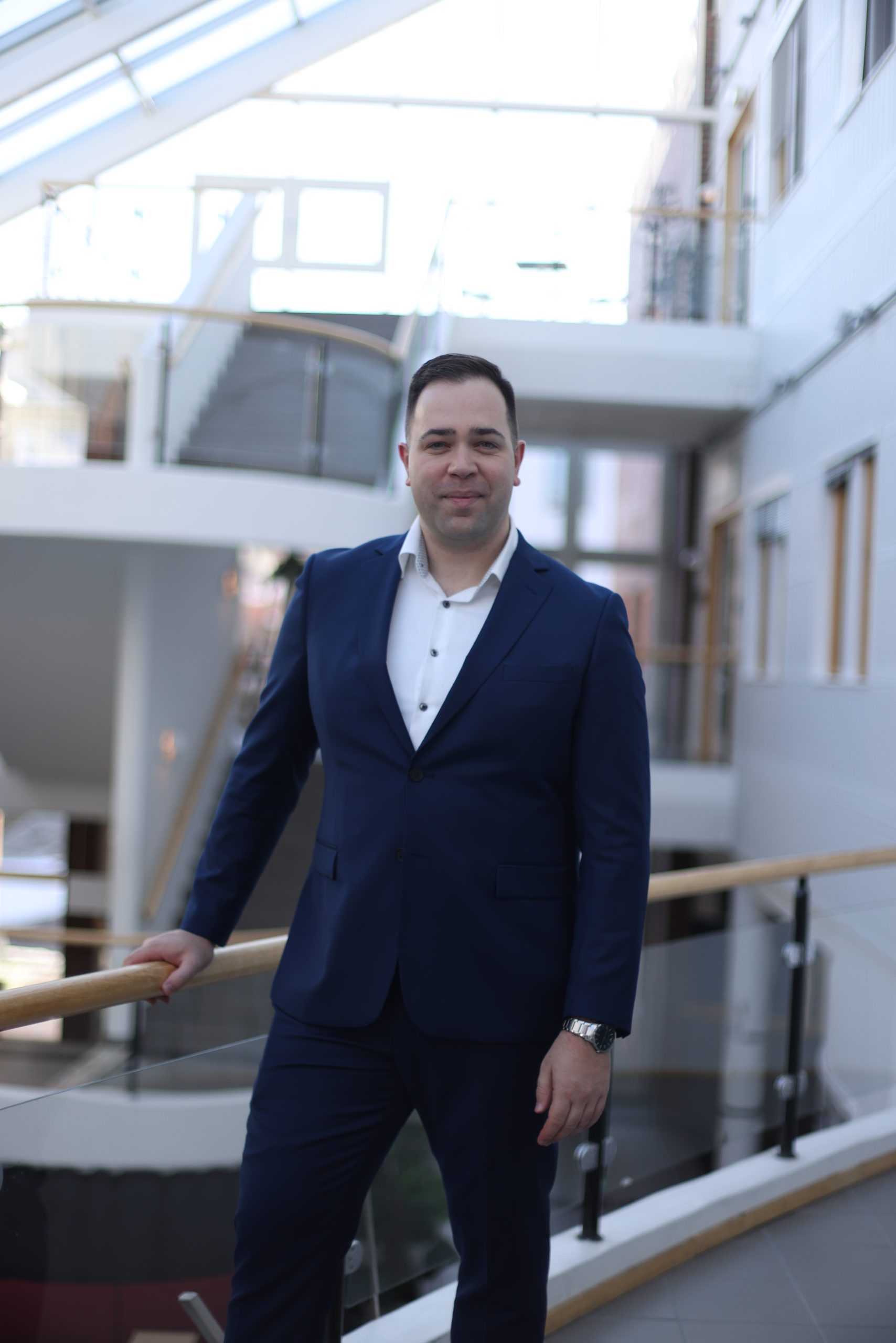 |
| Lars Molden is an Associate Professor in Innovation and Entrepreneurship at Nord University Business School. His research interests include innovation, strategic management and entrepreneurship in the context of digitalization and circular economy. He is also interested in advanced quantitative analysis and applications of AI into the research process. He has published in leading academic journals, as well as developed and run several research projects in relation to digitalization and circular economy. Molden is frequently giving public lectures and publishing popular-scientific materials in national and regional outlets. He also sits on several boards and is often used as a consultant. Lars was a Fulbright Flagship Scholar and a NORAM honorary fellow to the University of Wisconsin-Madison. Prior to starting his academic career, Lars worked as an analyst in finance and risk management in Storebrand Group and as a Director of financial services in Telenor Group. | 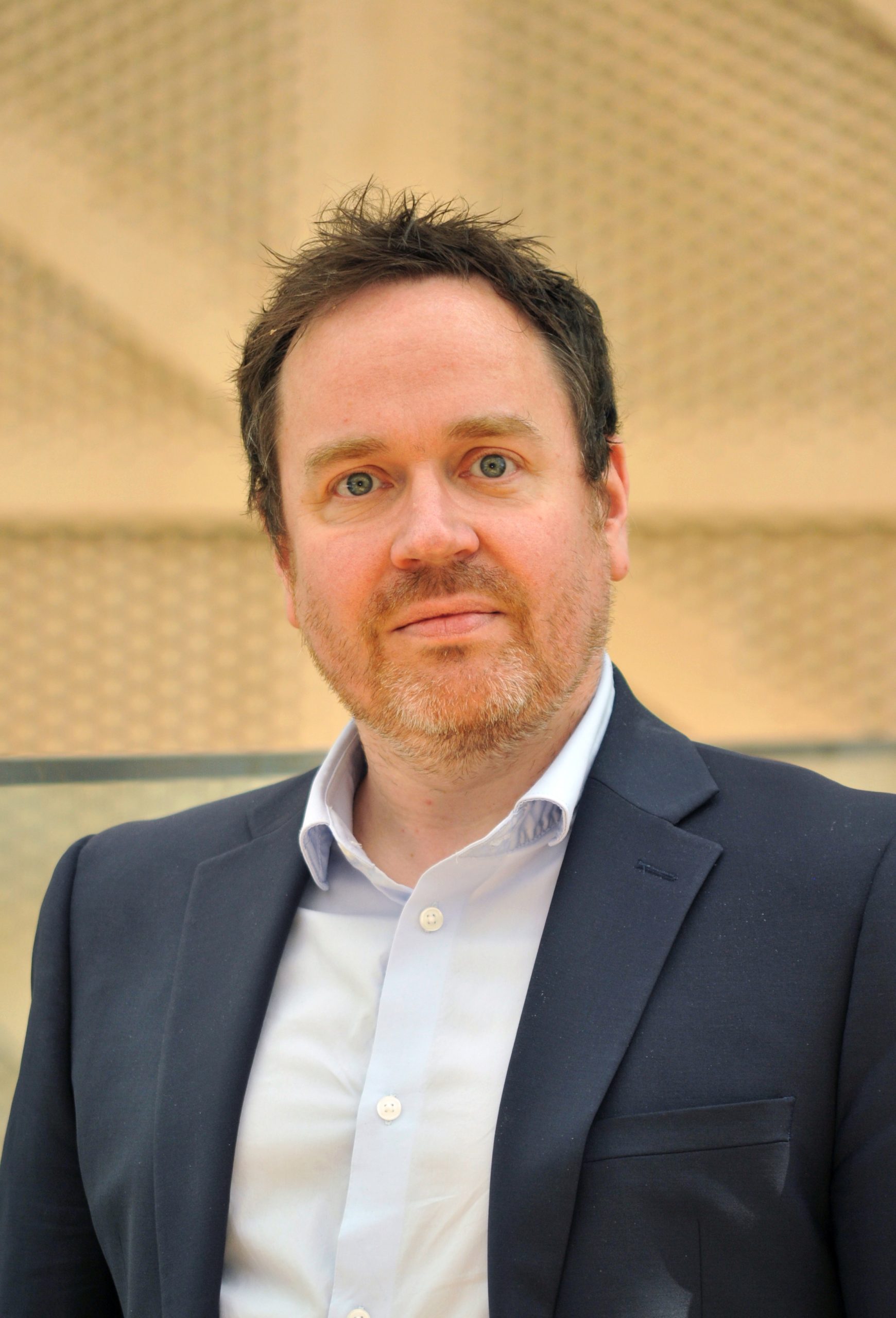 |
| Dr. Ashley (Ley) Muller is a transformational leader with 10 years’ experience in evidence-based policy, public health, and AI. She currently leads Nordic Women in AI Governance and is Research lead for Women in AI Norway, and is very aware of how insufficient a gender-only lens is if AI governance is to properly include marginalized perspectives. She has experience in consulting, government, AI development, and academia from Norway, the US, Germany, and the WHO, and her start-up is now supported by Innovation Norway to provide ethical AI governance consulting. https://www.leyaiethicsresearch.com/ | 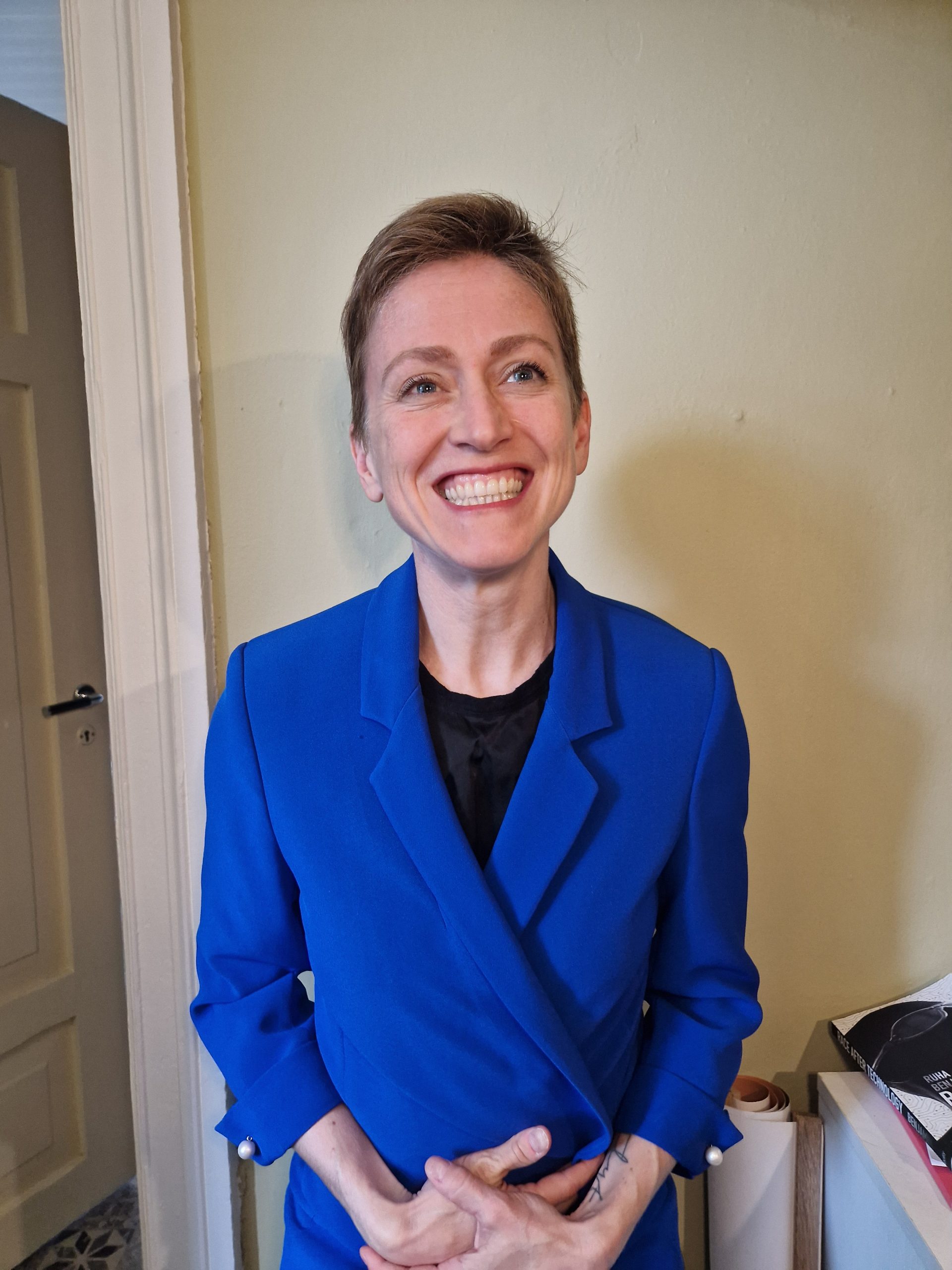 |
| Matthew Dillon Osuna is a Social anthropologist with a background in development studies, settler colonial studies, political anthropology, environmental anthropology and extractivism. Currently studying algorithmic inequalities and platform censorship with Gaza as a case study. |  |
| Terje Solvoll, professor at Norwegian Centre For E-health Research (NSE), started his career as a researcher in Telenor R&D early in 2001 as a Cand. Scient within computer science. In 2006 he started at Norwegian Centre for Telemedicine (today NSE) as a project manager for Internet based communication between patients and dermatologists for treatment and prevention of eczema to avoid hospitalization. In 2007, he started to work with his PhD whitin computer science at UiT, an intelligent context aware mobile communication system for hospitals, which he finished in 2013. Based on his PhD, the spinoff company CallMeSmart AS was started in 2015. His research has been focusing on context awareness and AI but also projects focusing on digital mental health, stroke diagnosing and treatment in rural areas, decision-support/making systems, medical sensors, wearables, intelligent EHR systems, context aware AI driven preventions, and life situation guidance, and so on. |  |
| Adam Palmquist https://www.researchgate.net/profile/Adam-Palmquist https://orcid.org/my-orcid?orcid=0000-0003-0943-6022 |  |
| Mohamed El Ghami is a professor and leader of research group Knowledge Building and Knowledge in Education at the Faculty of Education and Arts, Nord University, Norway. His research interest is mainly in computational science, knowledge, and integration of technology in schools, curricula, and education, with a focus on teaching mathematics. His research in computational science is close to the top at the international level, with solid publication output. |  |
| ITR (Mikael Klages) is the CTO of Megapop (https://www.megapopgames.com/about-us), a Norwegian game developer currently creating Life Below — a game where players act as nature itself, rebuilding large-scale coral reefs in the ocean. Life Below won the Unity Awards 2025 for its innovation and impact. The game is built using Unity ECS / DOTS, a modern, data-oriented approach to high-performance game development. ITR has over 10 years of professional game development experience, holds a programming education from University of Oslo, and is deeply engaged in gaming communities. Beyond his work at Megapop, he is active in professional modding and runs his own YouTube channel focused on game development and technology. | 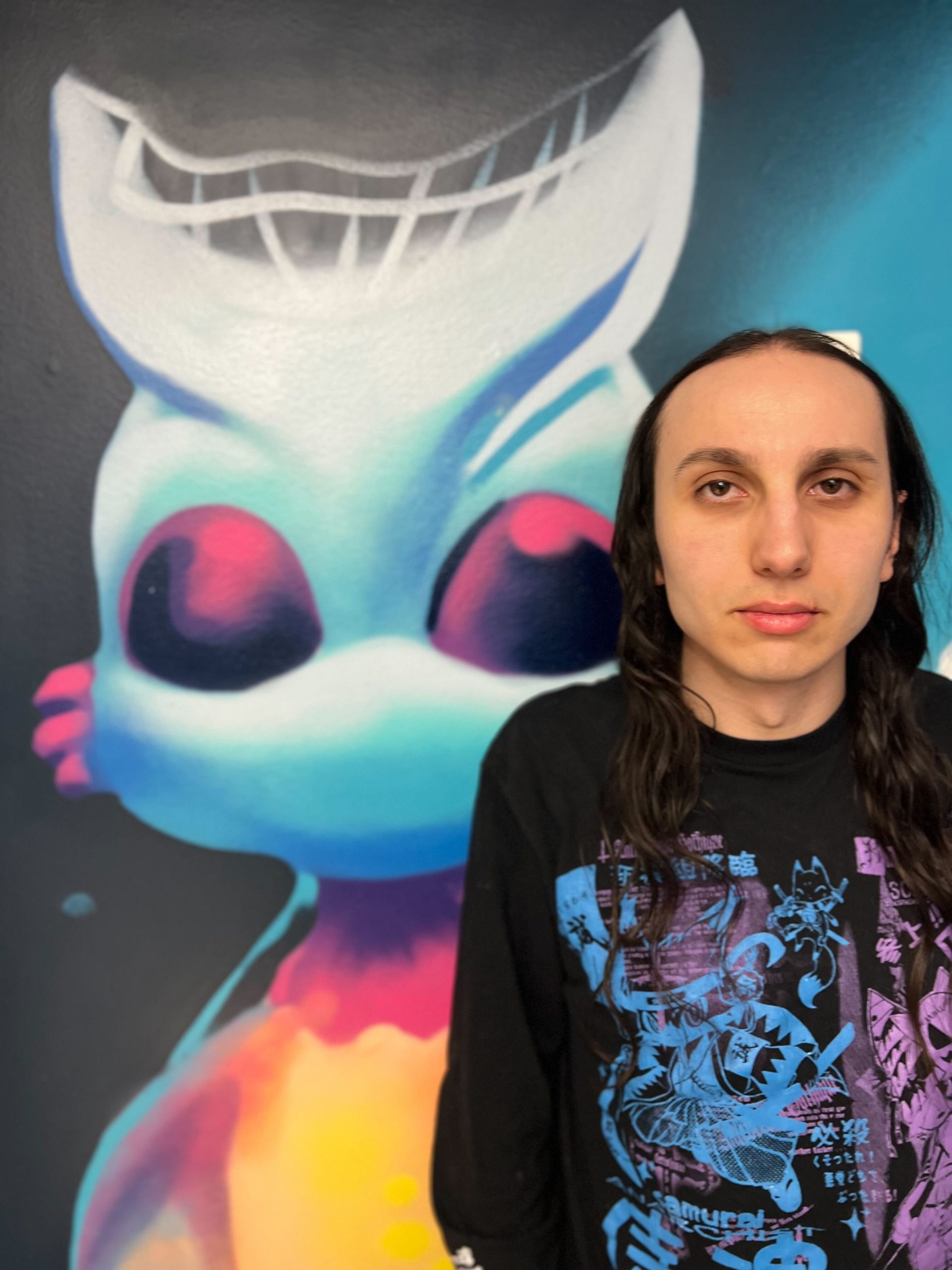 |
| Sofija Tosheva is a Computer Science engineer and researcher with a Master’s degree in Adaptive Online Education (2012). She works as a high school teacher of ICT and programming languages at SOU Jane Sandanski, North Macedonia, and has extensive experience in curriculum design, international teacher education, and Erasmus+ project coordination. She participated in a teacher exchange program in Maryland, USA (2005), contributing to her comparative perspective on digital pedagogy. Her research interests focus on the pedagogically grounded integration of artificial intelligence in education, including AI-supported assessment, personalized learning, and curriculum innovation for secondary and adult education. She is the founder of the NGO Think Up Digital, (https://thinkupdigital.org/) where she leads the research, design, and development of AI-based educational software solutions and digital learning platforms aimed at enhancing digital literacy, learning outcomes, and career development. A further strand of her work addresses gender inclusion in technology, with a particular focus on promoting girls’ participation in ICT and AI-related fields. | 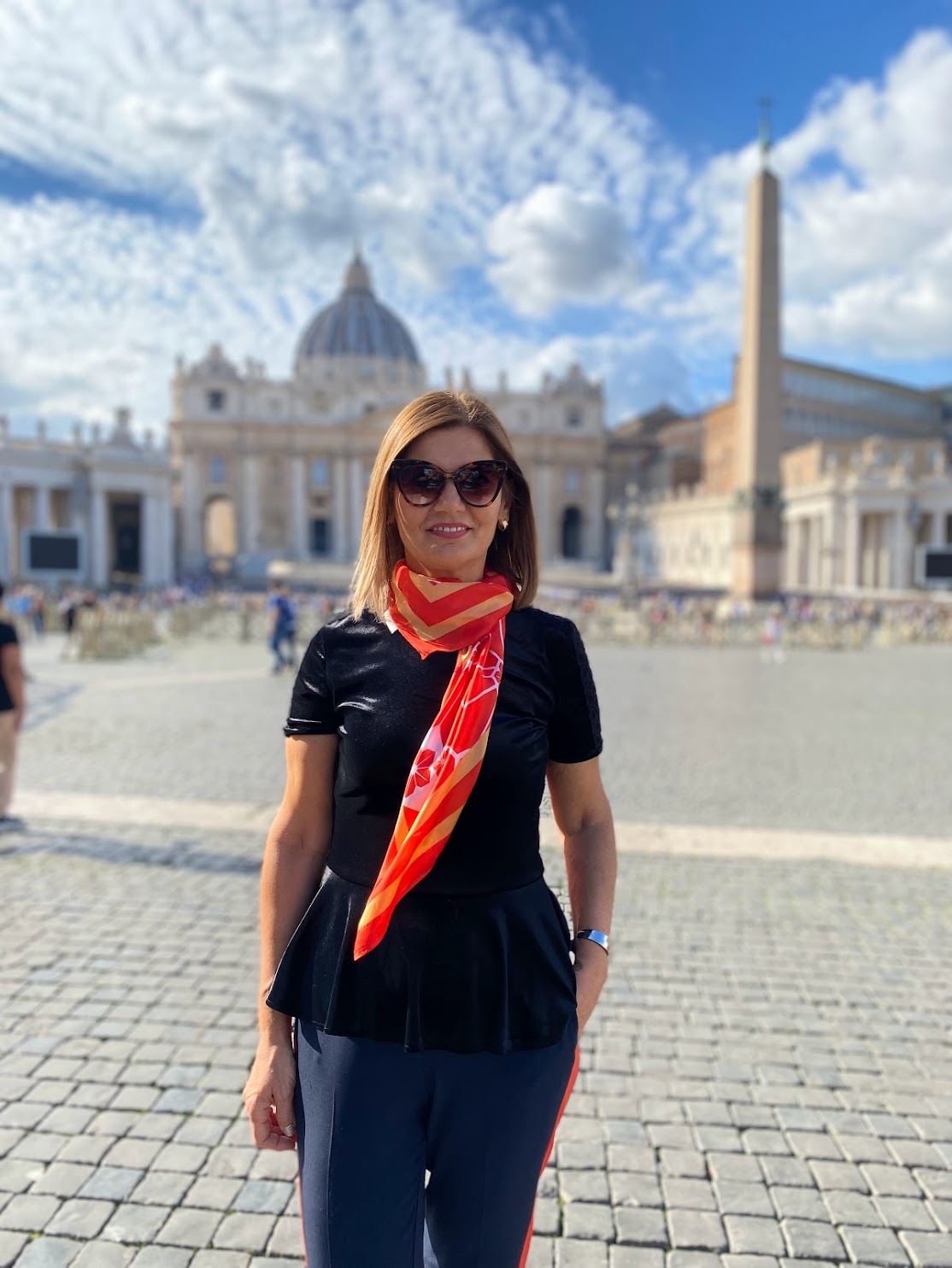 |
| Marifé Garcia Ros is an English Language teacher for Secondary Education with about 30 years of experience. She studied an English Philology degree at Murcia University with an academic year as an Erasmus student at Leeds University in UK. She is passionate about teaching and has attended many courses, workshops and seminars on different teaching techniques, methodologies and approaches trying to keep herself updated in the latest ones. She is also very much into European projects being the Erasmus+ coordinator at her school and has been taking part in several Comenius and Erasmus projects since 2007 as well as in several eTwinning projects holding five eTwinning National Quality Labels and three European Quality Labels. | 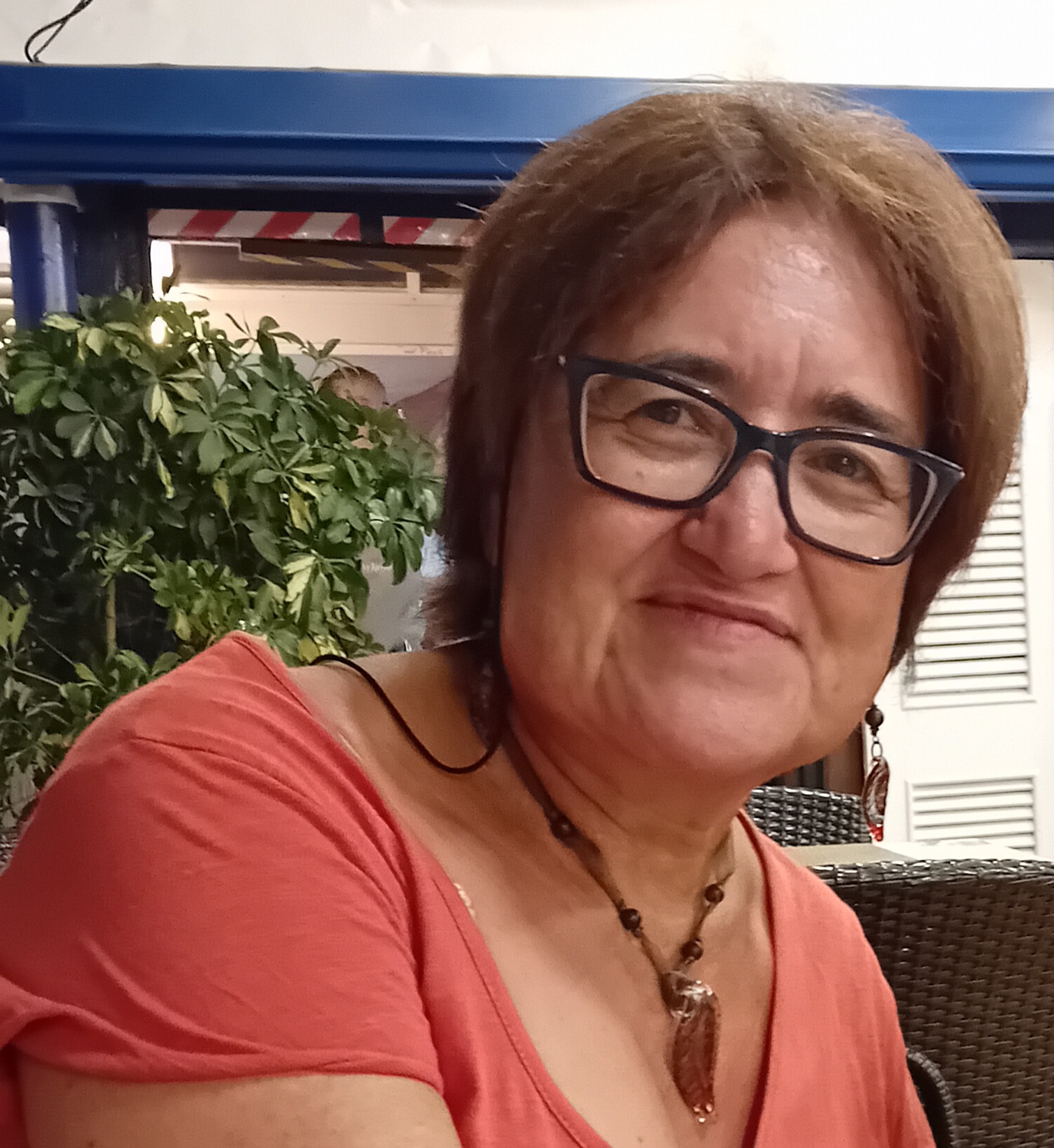 |
| Patrick Murphy graduated from the University of Oslo in 1994 with a combined degree in law, English, and pedagogy. After teaching in lower secondary school, he has spent 29 years in teacher education, including seven months at the University of Wisconsin and a sabbatical teaching in upper secondary school. Patrick has taught all English courses in teacher training, specializing in didactics and methodology with a focus on learner-centered approaches for both campus and online learning. His exemplary teaching earned him the Accredited Teacher (merittert underviser) distinction. He has extensive international experience through EU funding applications, Erasmus programs, teacher exchanges, conferences, keynote speaking, and peer reviewing. Patrick regularly publishes action research from higher education classrooms. Areas of expertise: didactics, methodology, learner-focused activities, creativity, communication, integrating learners’ worlds into learning contexts, developing learning paths, and e-learning. |  |
| Nikolaos Diamantopoulos is a highly accomplished professional with a strong background in Computer Engineering and Informatics in Education, having earned a PhD in Computer Science (1999) and a M.Sc. in Informatics in Education (2015) from the University of Patras. He has extensive experience as a permanent Informatics Professor in Secondary Education since 2000, currently at the 1st General High School of Aigio, and as an adult educator/trainer in various technologies. His professional career also includes significant private sector experience. From 1999 to 2002, I was the founder and Technical Director of the IT Company “”LYSEIS EPE,”” which developed a crew regulations control system for LUFTHANSA. He was also a key member of the Research and Development team for the ESPRIT/DAYSY and STRIDE/LIGHT research programs. His research interests lie in Constraint Logic Programming for Resource Management Problems, Object-oriented Methodologies, and Software Engineering Technologies. |  |
| Apostolos Spanos is professor of History at the University of Agder. His research and teaching are based on interdisciplinary approaches to history as a discipline and to historical evolution as a phenomenon. His interests lie in applied history, historical consciousness, the coinherence of historical times, the use of AI in studying and teaching history, the use of games to study the past, and the study of innovation as a mode of historical existence and evolution. With expertise in digital history and the use of AI and games in education, Apostolos enhances student-active learning through diverse strategies, including flipped classrooms. | 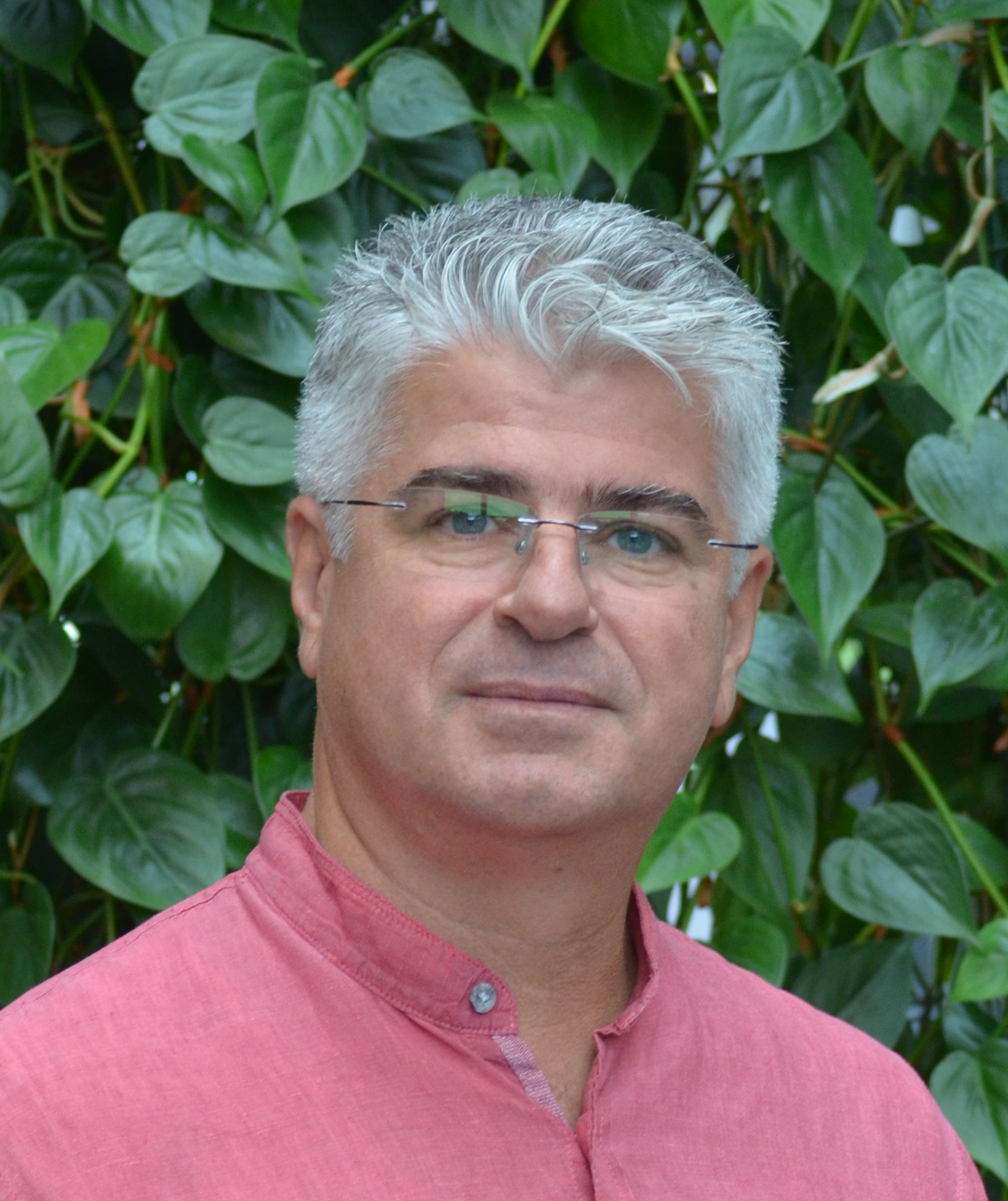 |
| Nanette Nielsen is professor at the Department of Musicology, University of Oslo. She works on music and philosophy, especially 4E cognition and musical experience and on intersections of ethics and aesthetics in twentieth- and twenty-first century music (across different genres), on sound on screen (film, tv-series, gaming), the rhythm and temporality of musical experience, and on AI and creativity. At the RITMO Centre for Interdisciplinary Studies in Rhythm, Time and Motion, Nielsen leads the project Engagement & Absorption (2018-2027). She is also a member of the consortium MishMash Centre for AI & Creativity (2025-2030). |  |
| Jørgen Tharaldsen is the CEO of Megapop (https://www.megapopgames.com/about-us), a Norwegian game development studio currently developing Life Below. The game won a Unity Award in 2025 and allows players to build and manage large coral reef ecosystems beneath the ocean surface. Jørgen has more than 30 years of experience as a leader, director, writer, and political advocate within the games industry. He has held leadership roles in companies and organisations such as Funcom, Artplant, Free Record Shop, Virke – The Federation of Norwegian Industries, and VG. Alongside game development, he runs the social network Norske Snowboarders as a hobby. He is also an award-winning photographer, with publications including National Geographic, and is an avid traveller, action sports enthusiast, and diver. | 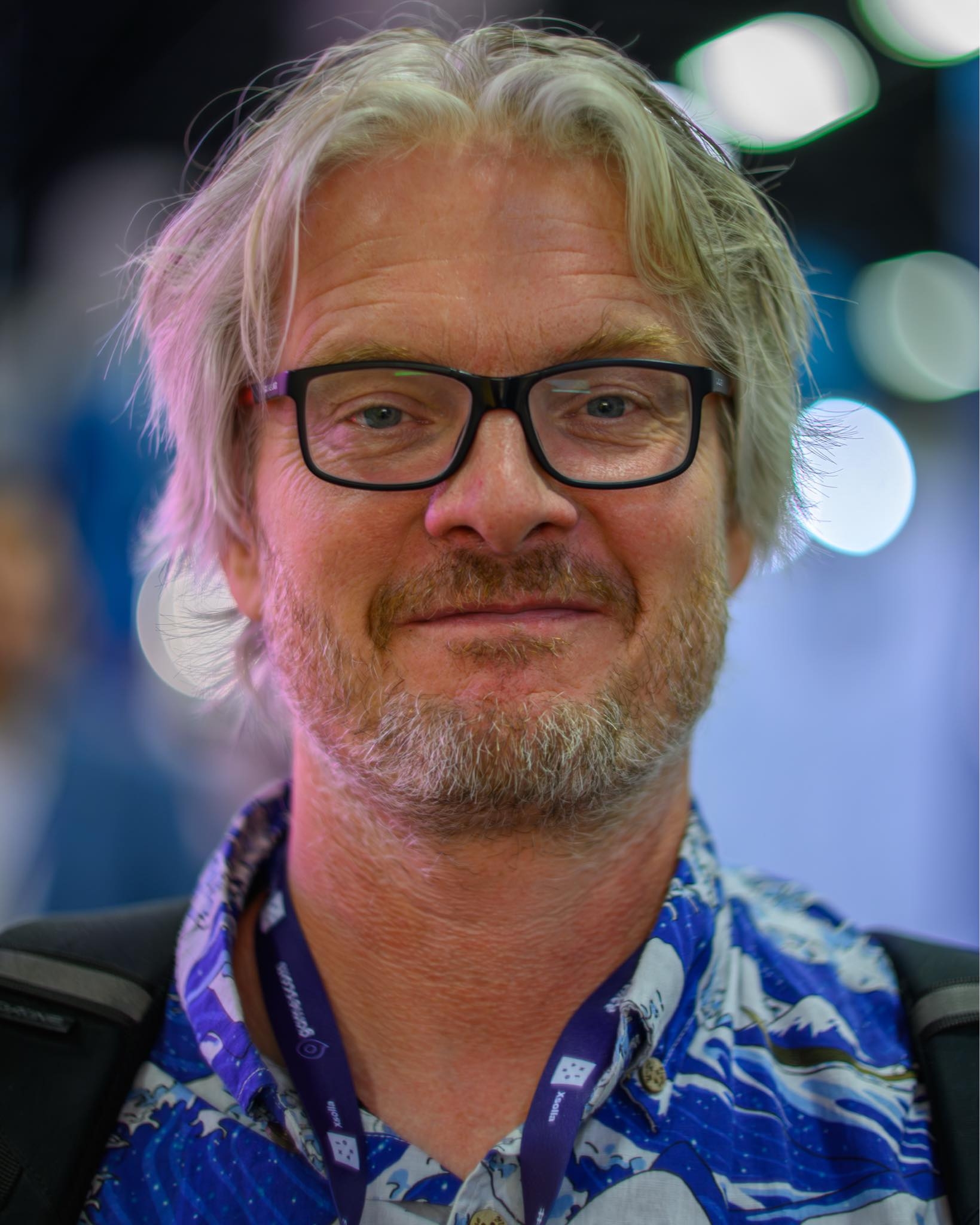 |
| Miroslav Muzny received his PhD in Biomedical Informatics from Charles University in Prague. He currently works as a researcher at the Norwegian Centre for E-health Research. His research interests include AI-enabled systems to support digital clinical trials, health data interoperability, secure and resilient health information infrastructures, and the use of informatics to support chronic disease management. | 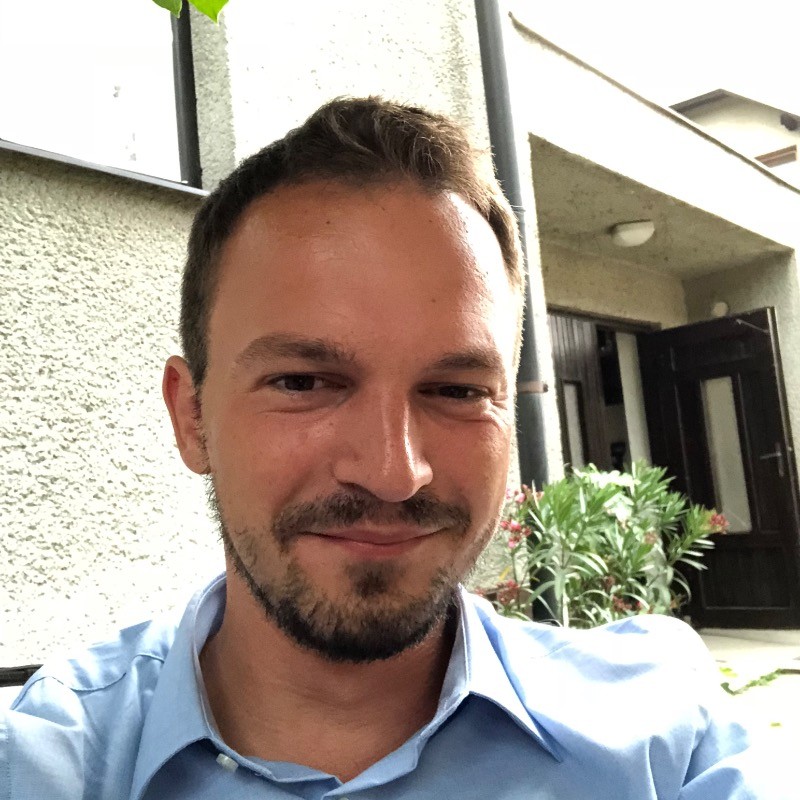 |
| Talon Darren Winsnes is a Canadian/Norwegian director and writer working primarily within genre storytelling, primarily horror, and cross-disciplinary performance, often using his background in dance as inspiration. His films blend genre with deeply personal themes, often developed through improvisation, movement and emotionally charged visual language. His shorts «Pesta» and «Ikke dra» have screened and been nominated at international festivals. In 2025, Winsnes was selected as one of three participants in Kosmorama’s regional talent development programme for film and games, supported by Talent Norge and SpareBank 1 SMN, aimed at nurturing emerging voices in Midt-Norge toward feature-length projects. He was also awarded the Signaturpitch at Kortfilmkonventet 2024 for the short film concept «Shadows». He is currently entering production on the short film «Klubb», produced by Herstory Film, while continuing to develop his first feature project. |  |
| Sergei Sizov have been working in the school system since 2019 as an IT manager and computer science teacher. Before entering education, I gained extensive professional experience in the IT sector, where I worked as an engineer and software developer. This background allows me to combine practical industry knowledge with modern pedagogical approaches in my teaching and project work. I have strong expertise in programming languages such as PHP, JavaScript, and Python, as well as in visual programming environments including Scratch and Micro:bit. My professional skills also include web development technologies (HTML, CSS3), SQL databases, Bootstrap and jQuery libraries, and advanced tools for 3D modeling and prototyping, such as SketchUp, Blender, and Fusion. I have hands-on experience with 3D printing, particularly using Prusa printers. I am the developer of the web-based studylanguage.zone platform, created to support language learning through interactive and learner-centered tools. I have completed several professional training courses in cybersecurity and artificial intelligence. I hold a master’s degree in Computer Science Education and am currently pursuing a second master’s degree in Industrial Robotics. Additionally, I have designed and delivered professional development courses for teachers, focusing on digital competence, innovative technologies, and international collaboration in education.” | 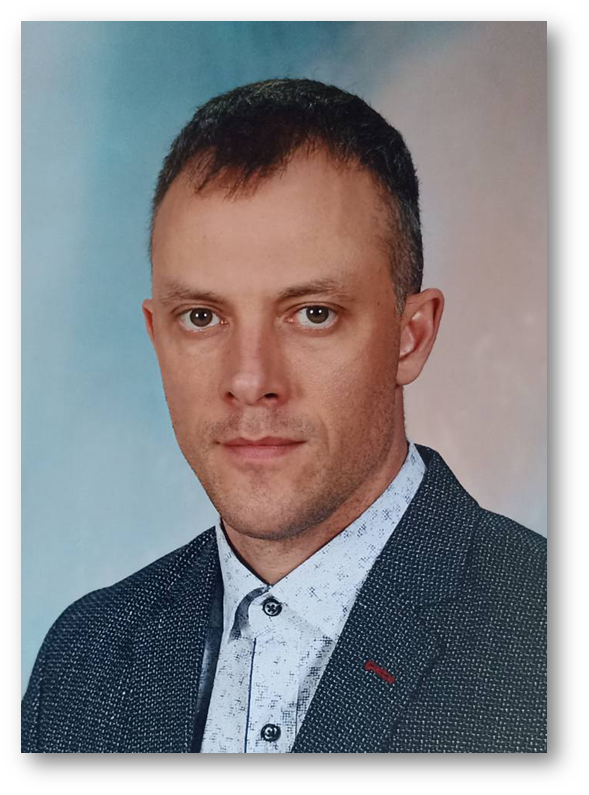 |
| Stefán Freyr Guðmundsson is Director of Data, Analytics, and AI at CCP Games, where he leads the teams behind the studio’s data platforms, analytics capabilities, and applied AI efforts. With a background in mathematics and AI in games, he has spent more than a decade developing practical data and AI products, including player-modelling systems at King, data and AI solutions at Sidekick Health, and QA and player bots at modl.ai. https://www.utmessan.is/radstefnudagskra?view=article&id=622:2026-ai-1&catid=30 | 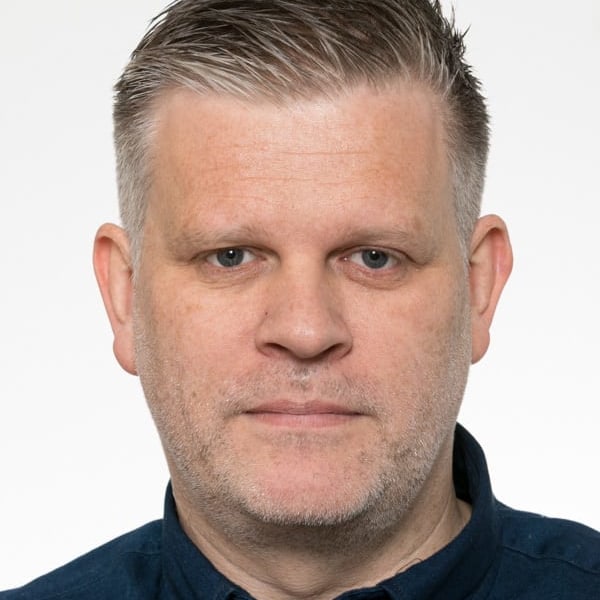 |
| Maarit Jaakkola, PhD, is co-director of Nordicom, a centre for Nordic media research, and associate professor in journalism at the Department of Journalism, Media and Communication (JMG) at the University of Gothenburg in Sweden. She is also an adjunct professor in journalism at Tampere University in Finland. Her latest monographs include Journalists as media educators (Bloomsbury, 2026), Pedagogical opportunities of the review genre (Routledge, 2024), and Reviewing culture online (Palgrave Macmillan, 2022). She has also edited the handbook for journalism education, Reporting on artificial intelligence (UNESCO, 2023). Over the past years, she has played active leadership roles within the academic communities of NordMedia, ECREA, and UNESCO. She is also interested in the national minorities and minority cultures in the Nordic region. |  |
| Lauriane Ribas-Deulofeu is a marine ecologist specializing in marine biodiversity monitoring, with a strong focus on leveraging emerging technologies to track ecological change in rapidly evolving ocean systems. Her research aims to align biodiversity data production with the pace of environmental change to support adaptive management, conservation, and policy decisions. Lauriane holds a PhD in Life Sciences from Academia Sinica (Taiwan), where she studied the drivers of coral reef resilience under combined climate and anthropogenic pressures. She subsequently worked as a postdoctoral researcher at National Taiwan University, on the national assessment of coral reefs and Marine Protected Areas. She is currently a postdoctoral researcher at Nord University, working on the EU-project BioBoost+, where she explores how AI-assisted image analysis and automated data pipelines can accelerate marine biodiversity monitoring. She also contributes to the EU-project GuardIAS, leveraging citizen science and computer vision to support early detection and monitoring of Invasive Alien Species. | 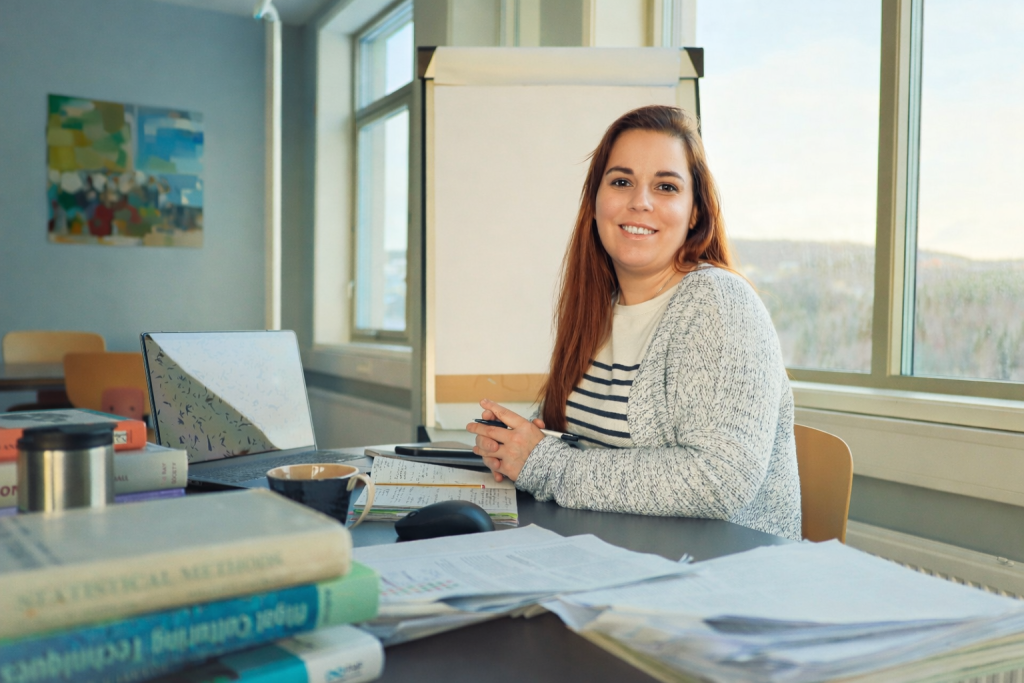 |
| Maka Suarez is an assistant professor at the department of social anthropology at the University of Oslo. Her work moves across political, economic, and multimodal anthropology. Before coming to Oslo, she was a fellow at the Institute for Advanced Studies in Princeton, and the cofounder of the Center for Interdisciplinary Ethnography – Kaleidos at the University of Cuenca, Ecuador where she developed various multimodal ethnographic projects, including the platform EthnoData for the critical analysis of statistical and ethnographic material on violent deaths in Ecuador. For over a decade, she’s been an activist with the Spanish social movement for the right to housing, La PAH. |  |
| Håvard Stranden is the CEO of Horizon Software, a company specialized in providing software products and services to the global aquaculture industry. Horizon’s skilled team of more than 20 experts thrive at the forefront of aquaculture, helping the largest players scale to meet future demands and the smaller players stay on their edge in a rapidly growing sector. Håvard has previously served in consulting roles across the Norwegian finance sector, defense industry, and public health sector, and holds an M.Sc. in Computer Science with a specialization in AI from the Norwegian University of Science and Technology. |  |
| Roland van den Tillaar is a Professor in Sports Science at Nord University, head of the research group Learning and Development of Performance in Sport, and the head coach for New Zealand handball. His research focuses on innovation in sports and he investigates different training strategies to develop sports performance. Together with his students, he has developed a device SMARThrow that monitors throwing load through using AI. Van den Tillaar is a prolific researcher with many scientific publications and international presentations who keeps returning to his main interest: how can the athlete become better? | 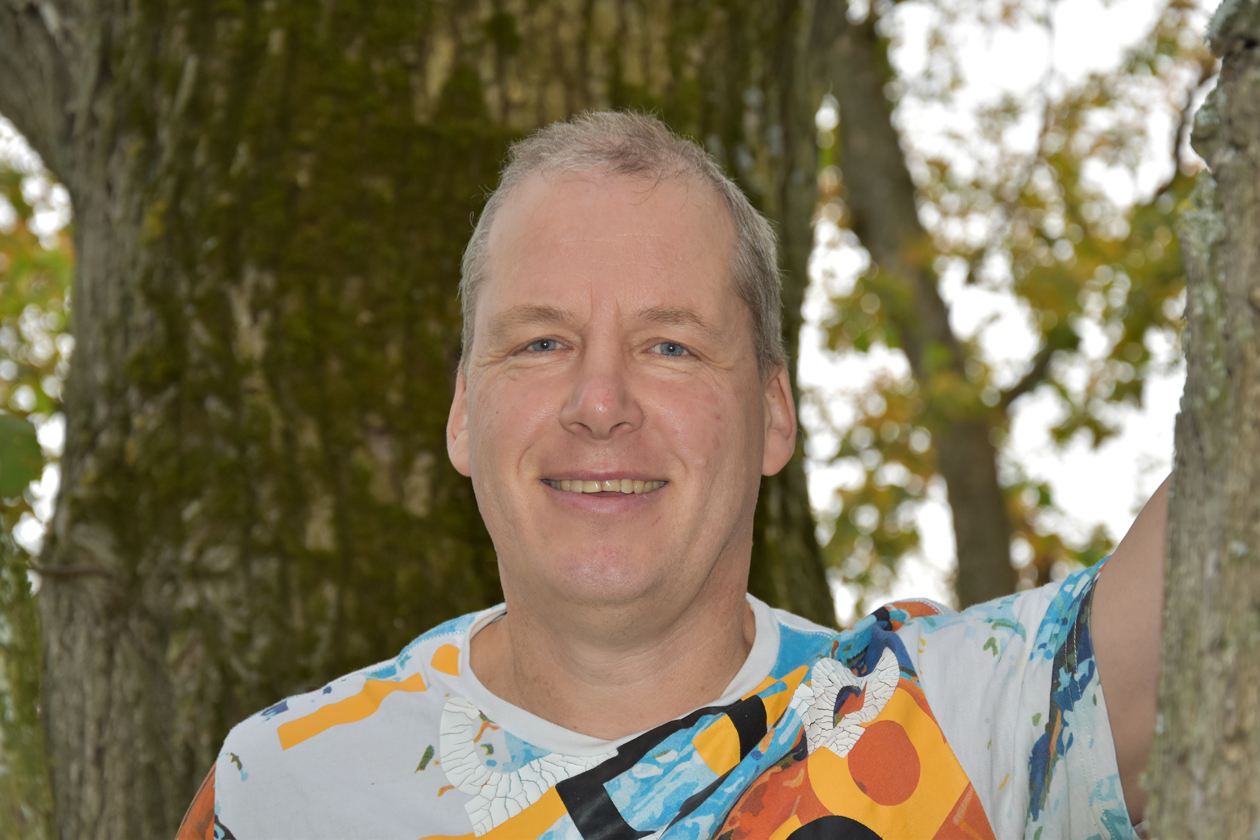 |
| Miriam Klöpper is a postdoctoral reseacher at the Computer Science department at NTNU Trondheim, where she currently investigates how local organisations perceive and use algorithmic systems such as artificial intelligence in their operations. Miriam holds a PhD in Information Systems Research from the University of Münster, Germany. Her dissertation explored the impact of algorithmic systems in workforce management, particularly their effects on power dynamics and hierarchies in traditional organisations. With an interdisciplinary background, she earned a master’s degree in History of War from King’s College London and a bachelor’s degree in History of European Culture and Ideas from Karlsruhe Institute of Technology KIT. Her research interests extend beyond algorithmic systems in the workplace to topics such as surveillance capitalism and equality in an increasingly digital society. With a strong interest in diversity, inclusion and gender equality, she is the current board leader of the ACM-Women Midt-Norge Chapter based in Trondheim. |  |
| Søgni Gjerløw Sundbø is an university librarian at Nord university, affiliated with the Vesterålen campus and working across the institution with a primary focus on teaching and academic support. Over the past year, she has been involved in several initiatives related to artificial intelligence, including work on Nord university’s guidelines for AI use, participation in the VINST Alliance’s AI Collaboration and current membership in the AI resource group LOKI. |  |
| Kari Ingstad is Professor of Sociology at Nord University. She is a registered nurse and holds a Master’s degree in Sociology from the University of Oslo and a PhD from the Norwegian University of Science and Technology. Her research interests include work and employment, work-time organisation, working conditions, innovation, and collaboration within health and care services. Ingstad has authored several books, actively contributes to public debate, and frequently gives lectures for a range of stakeholders in the health sector. She currently leads a large research project, OptiCare-AI, which develops and tests innovative solutions to optimise workforce planning in health and care services. She has also been a member of the committee behind Official Norwegian Report (NOU) 2023:5 Women’s Health and Occupational Health. |  |
| Cristina Zoica Dumitru is an educator, coach, and artist dedicated to bridging the gap between creative expression and education. With over a decade of experience at various European universities, she has taught, designed, and led program development in higher education for the visual creative arts. Her art expertise encompasses character animation, concept art, and visual storytelling within the creative industries. Cristina seamlessly blends artistic creation with personal development, empowering individuals to embrace creativity in both their personal and artistic endeavors. Her work encompasses creative arts, teaching, consulting, and personalized coaching, all of which emphasize experimentation, critical thinking, and authentic expression. |  |
| Keith Downing is a professor of Artificial Intelligence (AI) and Artificial Life (Alife) at NTNU, with a strong interest in the connections between life and intelligence in both natural and artiificial systems. His 40 years of research in these fields has culminated in two books with MIT Press: Intelligence Emerging (2015), and Gradient Expectations (2023). Most of Keith’s work involves evolutionary computation and artificial neural networks, and he teaches courses in AI Programming, Deep Learning and Reinforcement Learning at NTNU. He enjoys lecturing on AI and ALife to diverse audiences throughout Norway. |  |
| Iris Thora is Iceland’s Digital Youth Ambassador. She works toward making online spaces safer and more inclusive for young people in the Nordic region. With her background in International Politics and digital rights, with an emphasis on AI development and how it’s changing the online landscape, she combine research and activism to bring awareness to issues of online violence and promote the rights and safety of young people online. | 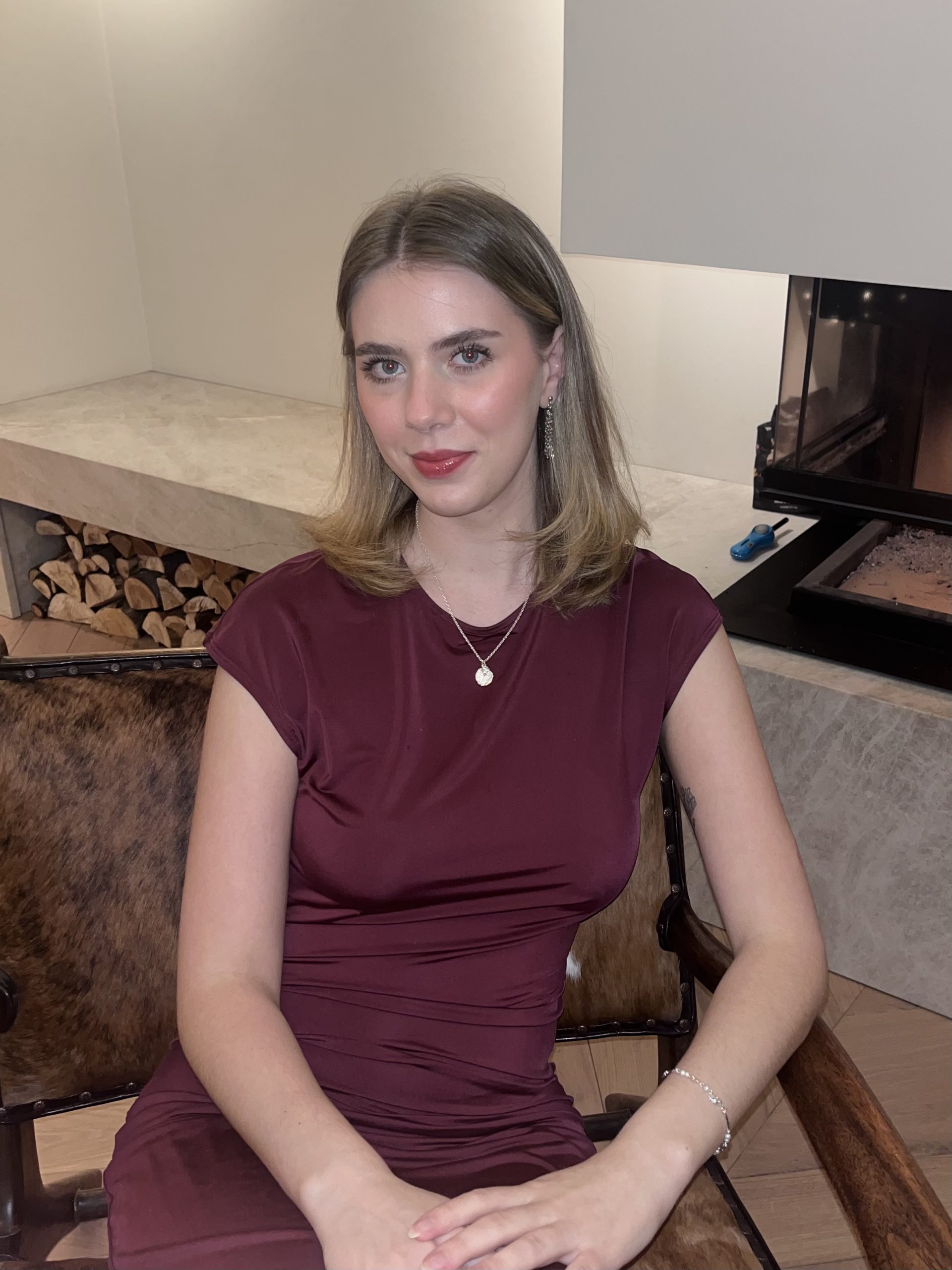 |
| Martin Clancy, “founder of AI:OK, is an influential figure in the convergence of artificial intelligence and music, recognised for his pioneering work in ethical AI. As the Founder Chair of the IEEE Global AI Ethics Arts Committee and author of ‘Artificial Intelligence and Music Ecosystem’ (Routledge 2023), Martin has solidified his position as a thought leader in ethical AI application to the creative industries. AI:OK, funded by Enterprise Ireland, collaborates with Ireland’s most extensive Data Analytics and AI Research Centre, Insight, and is spearheaded by Dublin City University (DCU). Martin’s project has attracted attention and support from Deezer, Music Sweden, Music Tech Europe and A2IM. Furthermore, Martin’s appointment as Policy Fellow at The Long Room Hub, Arts and Humanities Research Institute at Trinity College amplifies his influence in marrying technology with the humanities. Martin’s musical achievements include Top 20 hits on the US Billboard Dance Charts, a foundational role in Tua Nua, and collaborations with Sinead O’Connor. Managing Irish singer Jack Lukeman and being a Certified Ableton Live 12 Trainer. His insights have been featured on CNN, The LA Times, The New York Times, Wired, TMZ, BBC, La Republica, Washington Times, Les Temps, Irish Times, Fortune and USA Today. Martin has just been commissioned as Editor of the ‘Routledge Handbook to AI & Music’ (2025), a planned forty-five-chapter transdisciplinary approach to the newly emergent field. This continued engagement with the broader music and technology community underscores Martin’s commitment to driving ethical and transformative change in the industry through AI.” |  |
| Erik Johansen is a member of the government‑appointed Malthe‑Sørensen Committee, which is investigating how the development of artificial intelligence technologies affects higher education. Johansen normally works as an advisor in corporate governance at the Norwegian University of Science and Technology (NTNU), focusing on the university’s strategic development and the management of artificial intelligence. He holds a degree in political science from NTNU, specializing in public policy and administration, with an academic focus on political theory. |  |
| Charlotte Simone Elverum (Simone), is a Lecturer and Course Leader for the BA (Hons) CGA and Animation course at Nord University. She has been teaching on the course since it started and has supported the courses growth and continued development, bringing knowledge of character performance and animation fundamentals. Her teaching is focused on enhancing the student experience and fostering a creative, inclusive learning environment. |  |
| Dr. Iván “Synpheros” Pérez Colado, with a PhD in Computer Science, has recently started working at the Nord University as Invited Professor, and has been CTO of BoosterBooking since 2024. His expertise spans areas such as Serious Games and Learning Analytics, as well as emerging trends like Generative AI. His career also has significant experience in Full-Stack and Cloud Web development, including application virtualization. Beyond his academic and professional realm, Iván plays guitar in a metal band, and is a Virtual Reality enthusiast who loves slicing cubes in the rhythm game Beat Saber. |  |
| Chris Ronald Hermansen (36) is head of editorial innovation at TV 2s newsroom. The team develops automations for time-consuming editorial tasks, creates interactive news experiences and experiments with transforming content across formats and platforms. With a background in law and journalism, Chris Ronald combines editorial understanding with strategic AI implementation to strengthen journalism through technology. | 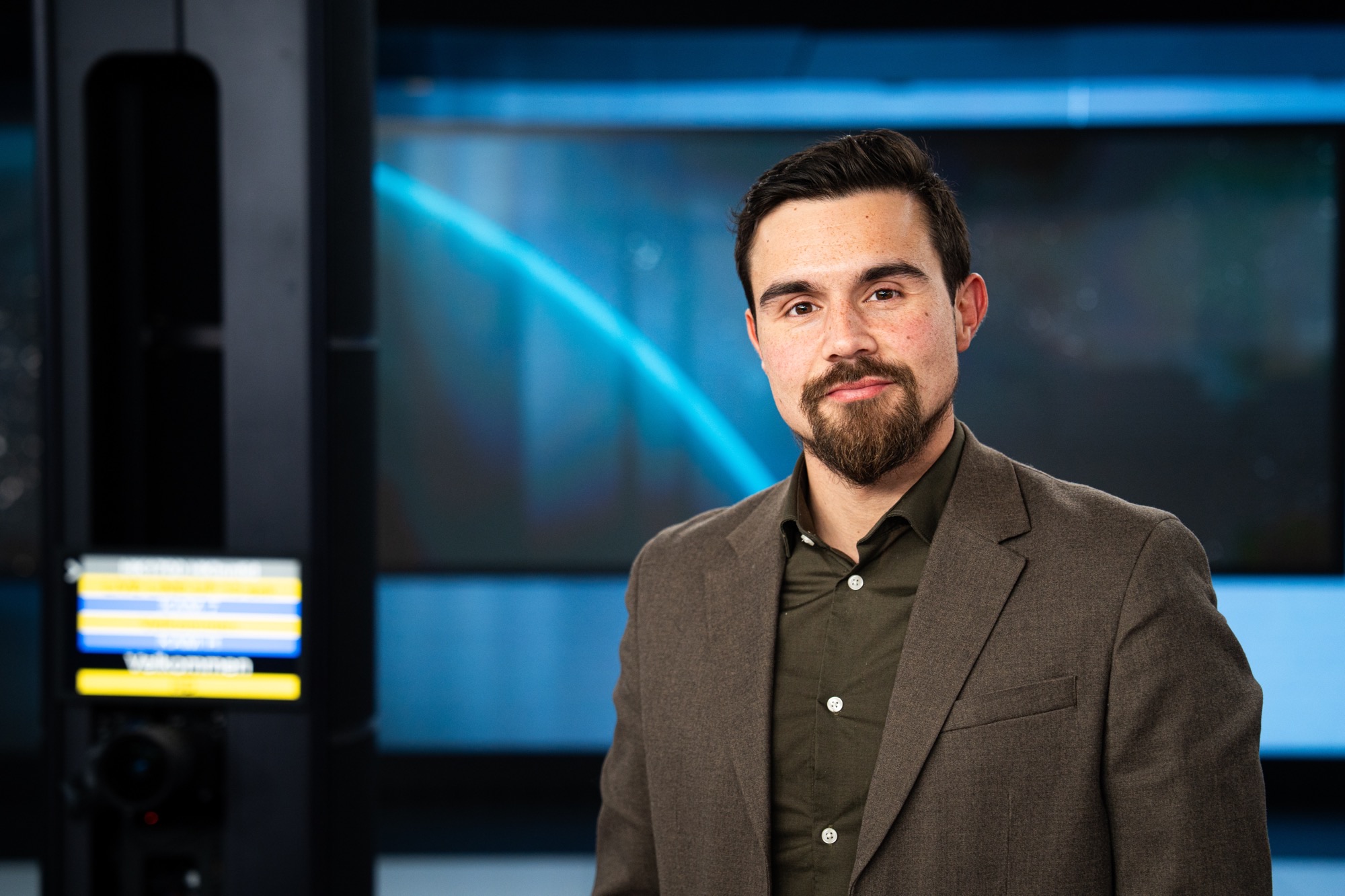 |
| Chris Hart is an Assistant Professor at Nord University, where he has been teaching Games, Film, and CGA students since 2018. He focuses on developing students’ skills in drawing, animation, storyboarding, digital painting, and Art and Animation History, while exploring AI and immersive technologies as creative tools. Alongside teaching, Chris leads innovative projects in Augmented and Virtual Reality. He is Creative Director at Area 47 Ltd, Creative Lead for MITA XR surgical training, and runs Pencils B4 Pixels, blending traditional and digital life drawing in both physical and virtual environments, with workshops showcased internationally. His research also includes improving ultrasound imaging in collaboration with Cardiff and Vale University Health Board, and has been affiliated with the Bristol VR Lab, bridging science, art, and immersive technologies. | 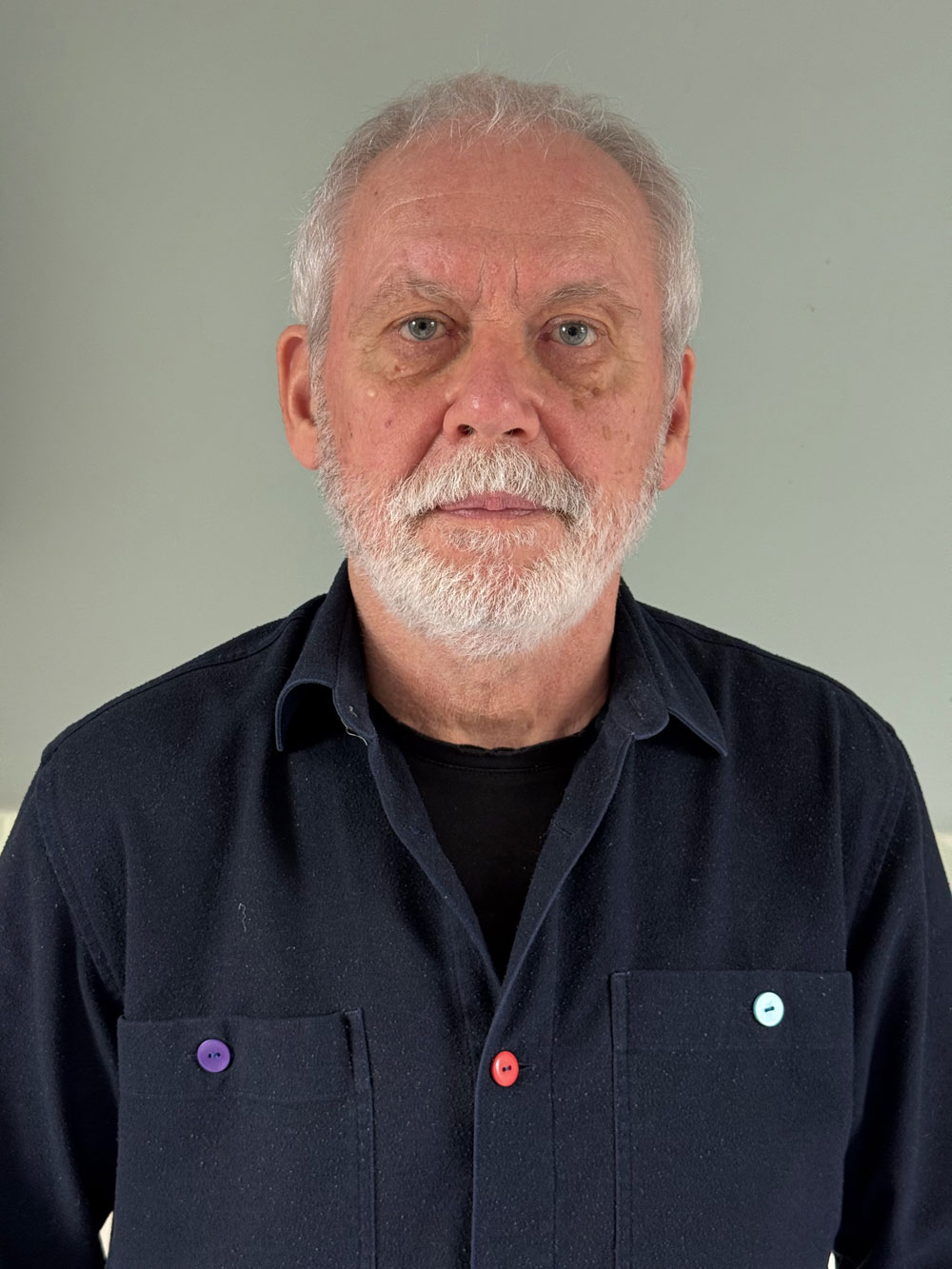 |
| Jakob Welner In June 2003 Jakob was accepted on an internship at Krogh Mortensen Animation which then became an employment. This started his journey into computer graphics, initially as a 3D modeler, then scripting and tools development which led into rigging and eventually character animation. Scripting and animation stuck and became two types of jobs that Jakob would jump between for the next 9 years until deciding to expand into Engineering. After 6 years of studying, during his thesis in biomedical engineering, he got invited to talk about animation at a robotics conference in the USA. Here serendipity brought him in front of the VP of engineering at Boston Dynamics just at a time where they had concluded that they could use an animator. Jakob has now been working with Boston Dynamics for 6 years, bringing together all of his interests and experiences into a single job of making robots move amazingly | 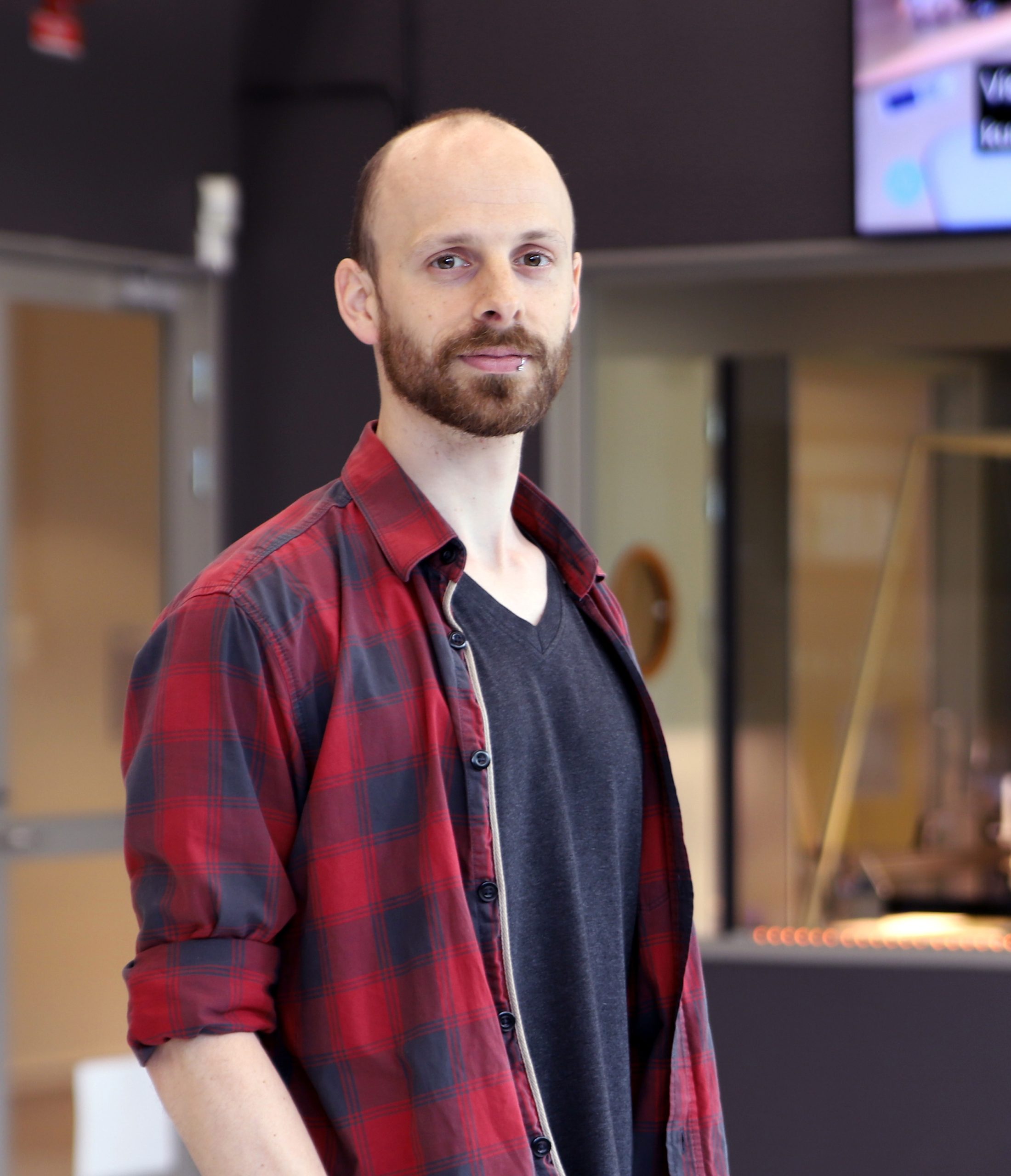 |
| Lars Krogh Bjerresgaard Kyed is an Associate Professor at Nord University and Head of the Division for Journalism and Creative Media. His research focuses on virtual production, real‑time rendering, and the integration of CG animation pipelines into contemporary screen‑production practices, and vice versa. His work bridges practice‑based research and both technological and artistic innovation in creative media. Lars began his career as co‑creator of Hugo the Troll, the world’s first real‑time interactive TV game, which became an international TV success throughout the 1990s, broadcast in over 40 countries across all continents. He later co‑founded Krogh Mortensen Animation, where he served as creative director for a decade before moving into higher education and research. Lars has contributed to a wide range of productions—from IMAX and planetarium shows to commercials, music videos, theatre, TV broadcasts, cinema, games, and diverse digital‑storytelling formats. | 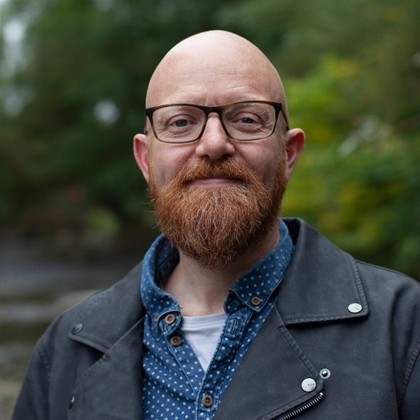 |
| Olivia Hansen is an Assistant professor in pedagogy at the Faculty of Education and Arts. Her main field is hiphop pedagogy, special pedagogy and social pedagogy. |  |
| Ketil Thorvik is an innovation advisor at Hemit HF, where he works with innovation and service development across the Helse Midt-Norge region. He leads Hemit’s artificial intelligence (AI) team and focuses on creating real value for healthcare services by combining technology, infrastructure, regulation, and safe clinical implementation. With a background in political science from NTNU and the University of Washington (Seattle), Thorvik has worked with innovation in major organisations including St. Olavs Hospital, NTNU, and SINTEF, and has been with Hemit since 2016. He is also an active speaker and network-builder, engaging with health and research environments locally and internationally, and contributing to professional publications on innovation. | 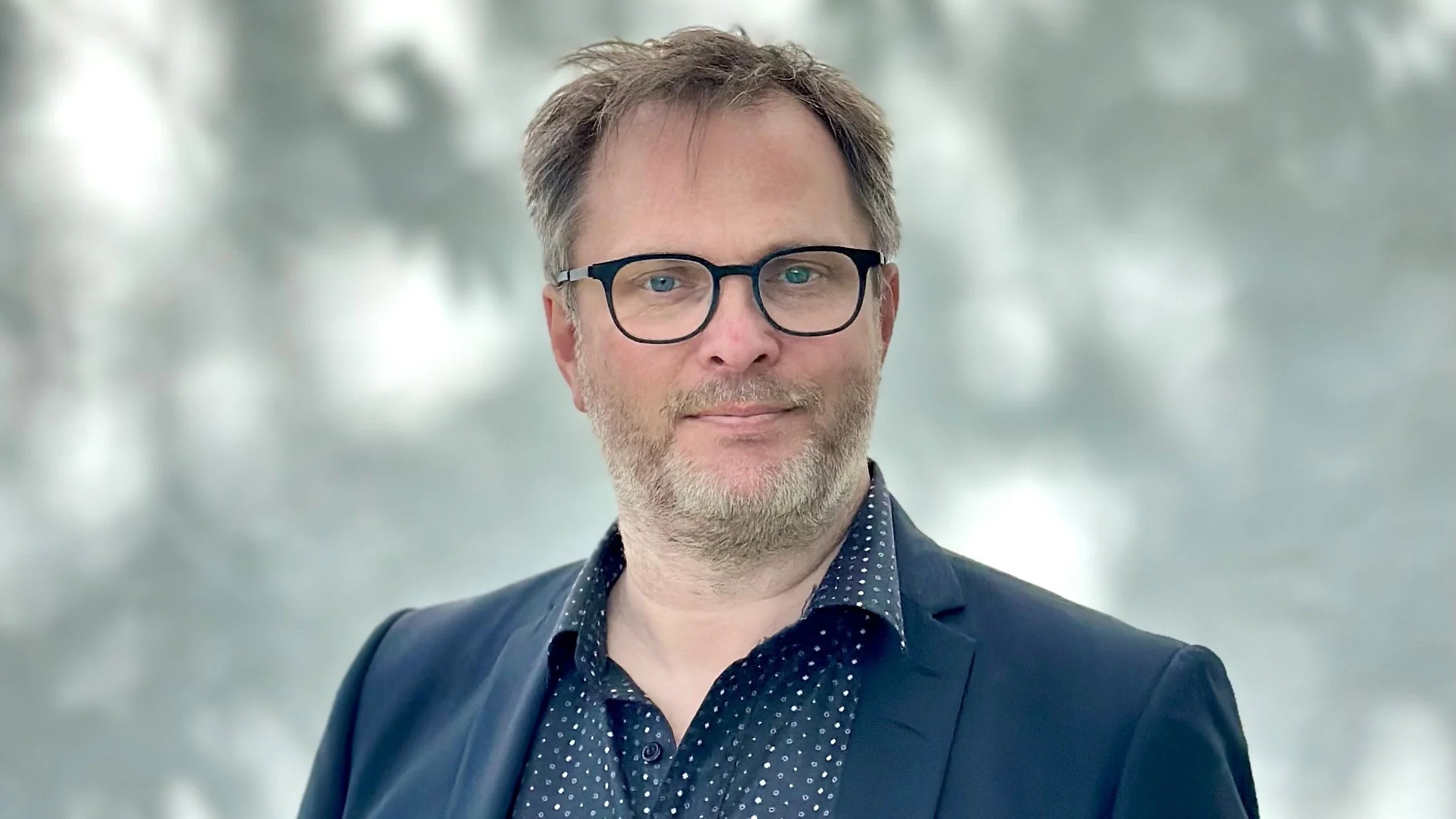 |
| Lise Tuset Gustad is an Associate Professor in Faculty of Nursing and Health Sciences at Nord University and is also a nurse researcher and educator at Levanger Hospital. She leads the application of AI in clinical research for early prediction of sepsis, mortality, and infections using EHR data and machine learning. As a member of Nord University’s Learning Organisation and Competense in Artificial Intelligence (LOKI) network, she promotes the responsible use of AI in healthcare. She has published several works on predictive models that demonstrate expertise in ML, NLP, and exblainable AI for patient safety. | 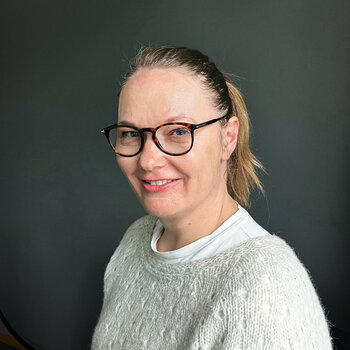 |
| Carmen Stoian is a learning and development professional with a cross-sector background spanning education, corporate environments, and international collaboration. She is the founder of Mind the Class®, where she designs holistic learning journeys that empower students, parents, and stakeholders through reflection-based and people-centred approaches. With over a decade of experience in training, mentoring, onboarding, and organisational development, Carmen has worked across Europe in both educational and corporate contexts, including international schools, the British Council, and large-scale organisations. She is currently engaged in PhD-level coursework at Nord University, focusing on design, methods, and innovation, and holds advanced degrees in educational management, international affairs, and economics. Carmen’s work is driven by a strong commitment to empowerment, sustainability, and inclusive learning cultures, with a particular interest in how innovation and emerging technologies can support meaningful human development. | 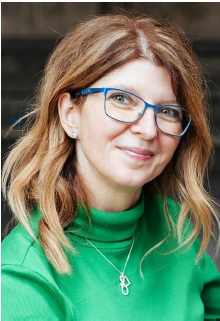 |
| Hans Jørgen Støp is an Associate Professor of Music at Nord University and an active artist and music producer with more than thirty years of professional experience in the music industry. His work bridges artistic practice and research, with a particular focus on music production, creative technologies, copyright, and questions of authorship and artistic ownership in contemporary musical ecosystems. In parallel with his teaching and supervision, he has led Creative Europe cooperation projects that connect Nord University with international cultural and creative sector partners. His current research includes the BELEM project, which develops an AI platform for language translation, meaning-making, and interpretative “reading between the lines” across multilingual contexts. https://belem.fleepit.com/ He also composes, produces, and releases music under the artist name Trees Up North. | 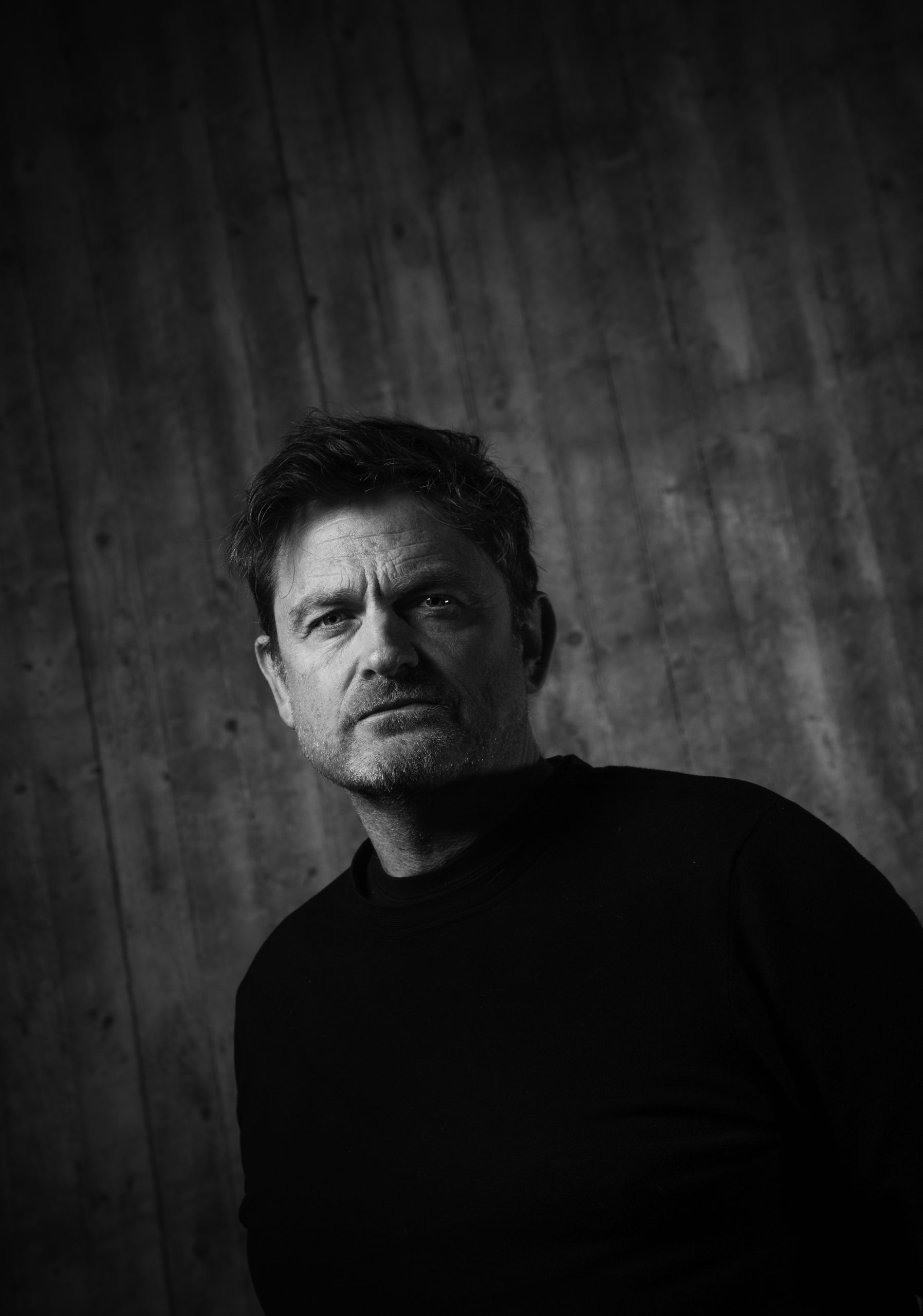 |
| Kristian Schnell, Commercial lead at Fokus. Educational Background from Norges teknisk-naturvitenskapelige universitet (NTNU): MsC Industrial Economics and Technology Management |  |
| Line Kolås is an Associate Professor and a certified meritorious teacher at Nord University. Her background includes a PhD in informatics and 25 years of experience in higher education, with a focus on the combination of pedagogy and digitalization. Line has taken part in numerous international and national R&D projects since 2004, and has been teaching and supervising higher education students at bachelor’s, master’s and PhD level, both in the Games and Entertainment Technology program and in the Teacher Education. Line is the cluster leader of “Pedagogy in IT education”, as part of the Centre for Excellent IT- education (Excited). | 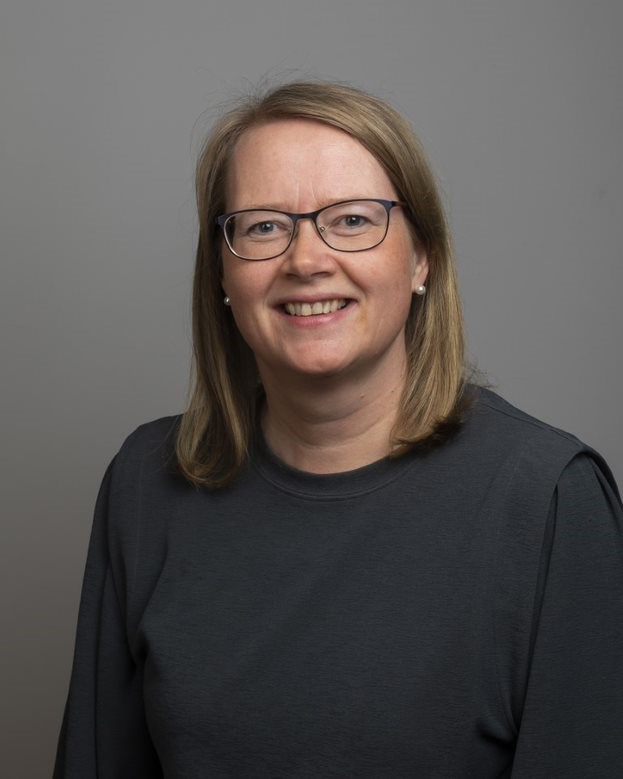 |
| Oddlaug Marie Lindgaard, Senior Adviser Department of Academic and Student Affairs. Areas of expertise: Canvas, Digital teaching tools, Digital media, E-learning, Evaluation, Flexible learning, ICT, Learning environment, Educational techology, Web-based, Training, Pedagogy |  |
| Tuva Christiansen is a fourth‑year teacher education student at Nord University in Levanger. She is also a student representative on the executive committee of Lærerstudentene in the Norwegian Union of Education. | 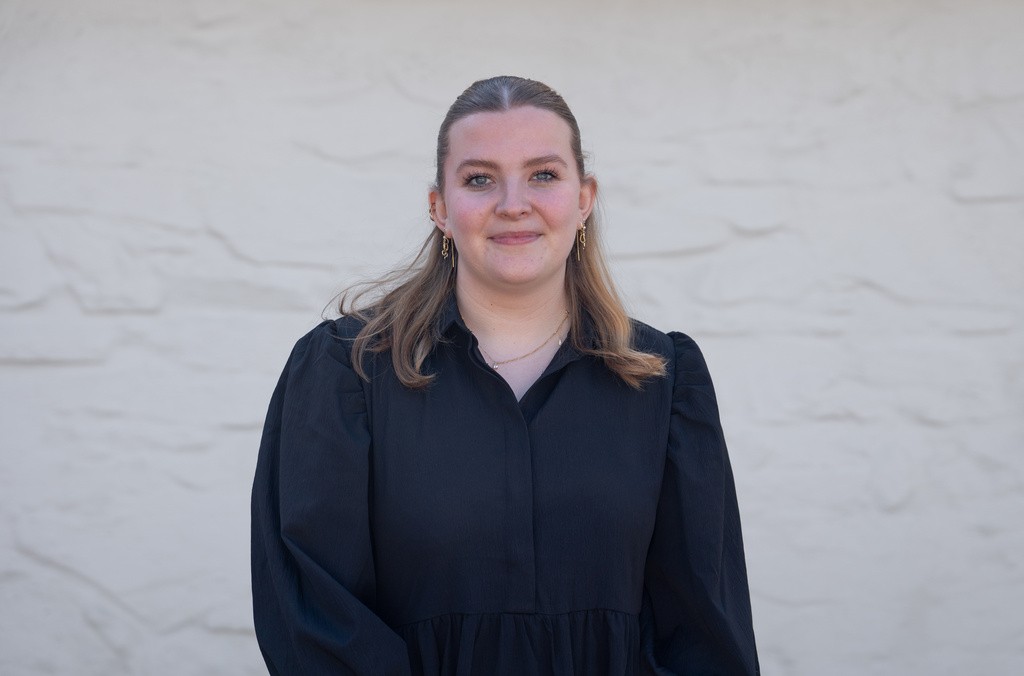 |
| Viktor Popovic is Lead Art Producer at Funcom, currently overseeing art production on Dune: Awakening. With nearly two decades in the games industry across journalism, 3D art, and production, he specializes in building scalable art pipelines and cross-discipline collaboration on large AAA projects. In recent years, he has focused on integrating AI-assisted workflows into game art production in a way that supports artists, protects IP, and keeps human creative direction firmly in charge. | 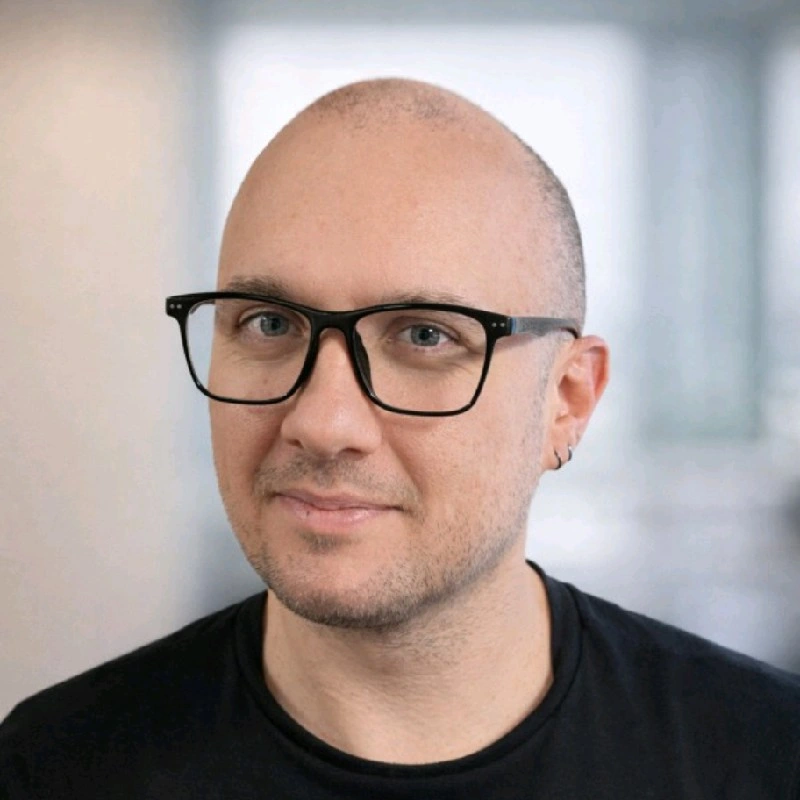 |
| Kaspar Bredahl Rasmussen is a Senior Adviser at PLUS – Centre for Competence Development and Learning at Nord University, where he works with pedagogical development and digitalisation. His work focuses on designing and developing courses for faculty professional development, including DigiPed and UniPed, as well as asynchronous online courses in university pedagogy built on social-constructivist principles, often featuring interactive learning activities of his own design. In recent years, Kaspar has specialised in AI in education and is a member of LOKI (Læring, Organisering og Kompetanse i Kunstig Intelligens), Nord University’s AI resource group. He has developed both a staff course and a student course in AI at Nord University, and is currently working on a new module on AI and assessment. He is also involved in the European University Alliance SEA-EU, contributing to Task 4.3 “SEA-EU goes more digital” and Task 2.2 “Fostering inclusive, digital and green interdisciplinary and innovative training pathways.” Before joining Nord University, Kaspar worked as an IT-pedagogical consultant at IT University of Copenhagen, where his responsibilities included blended learning design, learning technology development, and faculty support. He previously worked at Studieskolen in Copenhagen as an IT-pedagogical consultant and Danish language teacher, where he managed the institution’s Moodle platform and developed its online portfolio offerings. Kaspar also has a background in architectural communication from By og Havn, where he designed and led guided tours of Copenhagen’s urban development areas. | 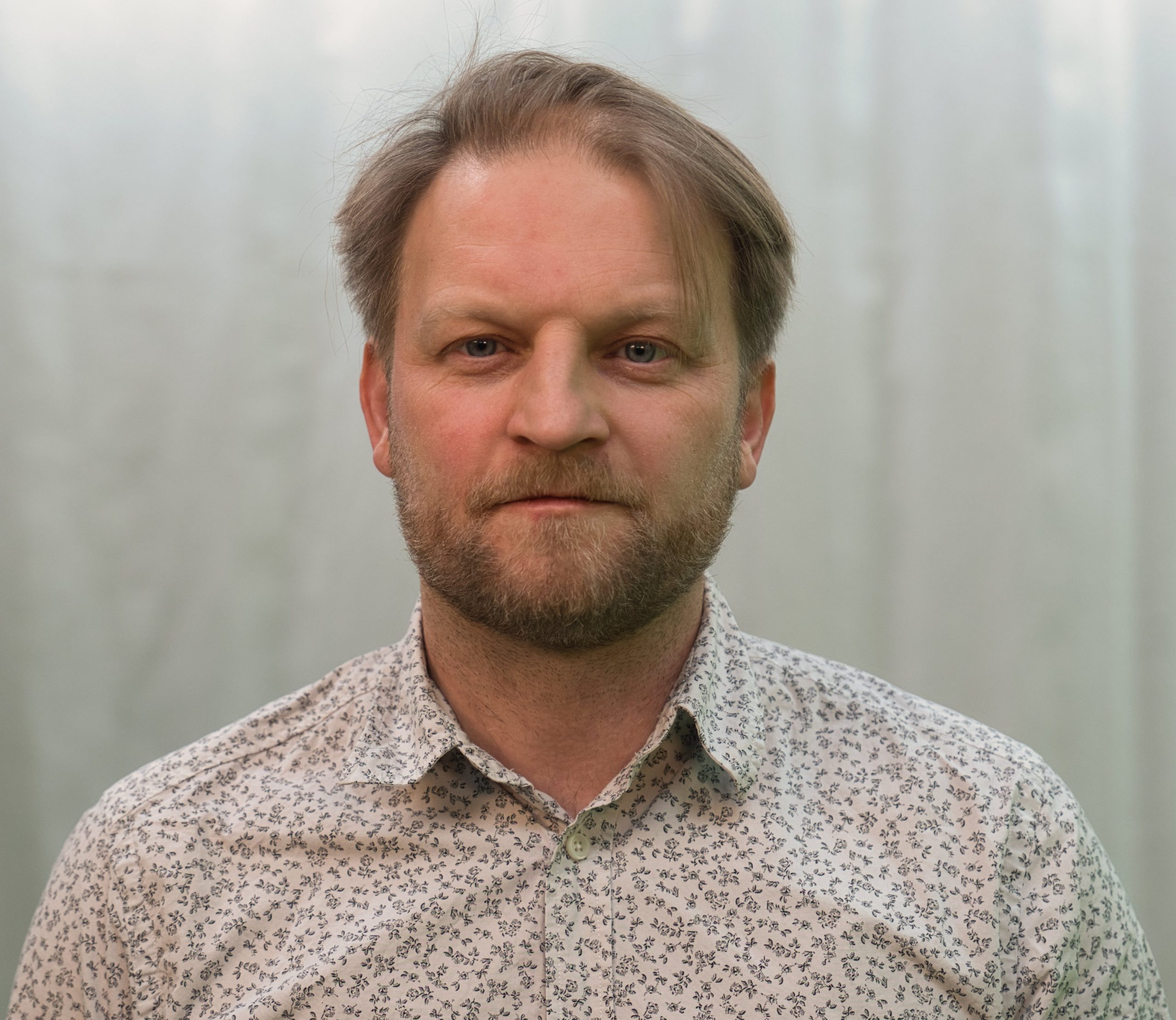 |
| Rune Wagnild, Clinical Director, Department of Diagnostic | |
| Guttorm Sindre serves as Professor in Computer Science at the NTNU in Trondheim, Norway. From 2016-2021, he was leader of the Excited SFU (Centre of Excellent Education), a collaboration between NTNU and Nord University, and he is currently vice-leader of the same centre, which will finish December 2026. His research focus is on computing education research and IT didactics, especially concerning the teaching of introductory programming courses and project-based learning. He was also awarded the status of Excellent Teaching Practioner (merittert underviser) at the NTNU in 2025. |  Photograph by Geir Mogen |
| Troels Linde is a Professor in Innovation for Film & Media Production, working at the intersection of film/games production, virtual production, and real-time workflows. His work focuses on governance (including IP and artistic control) and production pipeline design, alongside skills development to capitalise on emerging potential across the screen industries. He leads research, teaching and programme development spanning film, TV and games, and collaborates with Nordic and European partners on higher education and industry-facing initiatives. When heading up the recent VIPROS project, he explored practical models for integrating virtual production into production and education contexts, experience that informs his talk’s focus on AI-enhanced workflows, decision traceability, and sustainable skill transitions. |

Nord Open Week