Conferences & Round Tables
2026
Final TURBO Conference
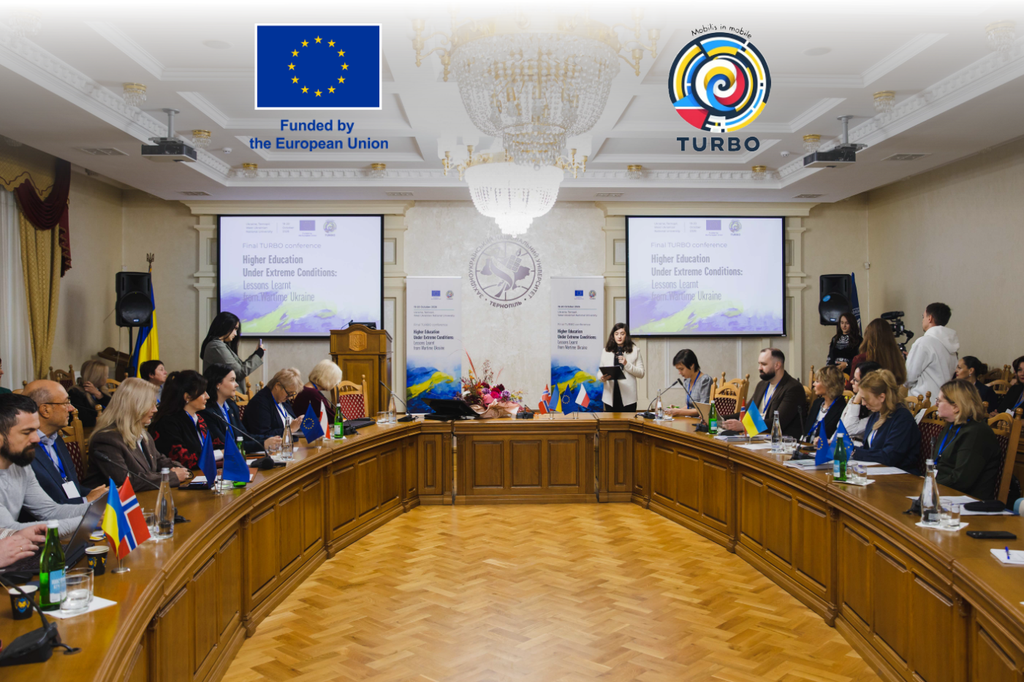
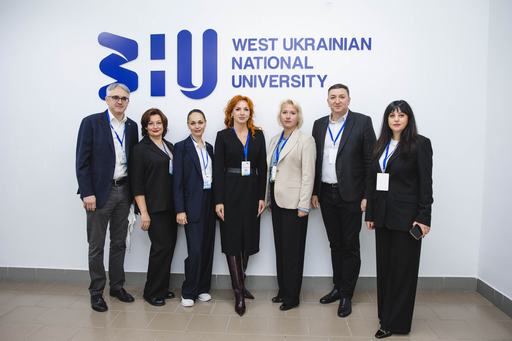
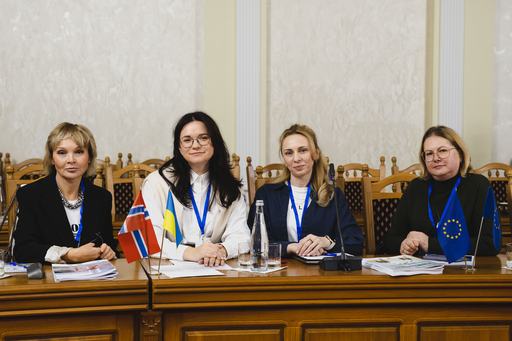
On 19–20 October 2026, West Ukrainian National University in Ternopil, Ukraine, hosted the final TURBO Conference, “Higher Education Under Extreme Conditions: Lessons Learnt from Wartime Ukraine”. The hybrid event was a true highlight of the project. It brought together 191 participants from Ukraine, Norway, Poland and other European countries, representing universities, ministries, local authorities, civil society organisations and international partners.
The conference opened with greetings from:
- the Rector of West Ukrainian National University
- the European Education and Culture Executive Agency (EACEA)
- the Royal Norwegian Embassy in Kyiv
- the project coordinator, Nord University Business School
Representatives of the Ministry of Education and Science of Ukraine and the Ministry of Social Policy, Family and Unity of Ukraine brought the national policy perspective. The TURBO partners shared what three years of joint work have taught them about keeping higher education strong and inclusive under extreme conditions, and about supporting internally displaced persons through retraining and social adaptation.
This event aimed to share the final results on the retraining and social adaptation of IDPs with ministries, EU institutions and the wider public, and to point the way to future development. Ternopil exceeded these expectations, both in attendance and in the range of voices around the table.
On 20 October, the final TURBO Round Table, “Resilient Higher Education: How to Achieve and Maintain It in Ukraine”, gathered 131 participants. Policymakers, local authorities, academics and a graduate of the TURBO programme discussed what Ukrainian universities need to stay resilient in the long term.
The final conference was not an end point. It was a moment to bring together the lessons learnt over three years, and a starting point for new ideas, partnerships and initiatives that will carry TURBO’s results forward. We warmly thank our hosts at West Ukrainian National University and everyone who joined us in Ternopil and online!
2025
TURBO Conference II
The second TURBO Conference, titled “Higher Education, Capacity Building and Societal Crises: International Perspectives”, took place on 22–24 September 2025 at Kozminski University in Warsaw, Poland, with the possibility to join selected sessions online. The event gathered researchers, educators, policymakers, and practitioners from Ukraine, Poland, Norway, and other European countries, representing universities, public authorities, research institutions, and civil society organisations.
Building on the outcomes of the first TURBO Conference, the 2025 event focused on the role of higher education institutions in strengthening societal resilience, capacity building, and crisis response in the context of war, forced displacement, democratic challenges, and post-crisis recovery. Over three days, participants engaged in keynote lectures, parallel academic sessions, thematic workshops, round tables, and a dedicated Young Scholars Track.
The conference programme featured keynote speeches by leading international experts, including Professor Muhammad Zaman (Boston University), Professor Petter Nore (Nord University), and a high-level policy keynote on societal resilience and public institutions from Poland. The discussions addressed a wide range of topics, such as the future of education recovery and sustainability, democratic resilience, wartime public sector governance, migrant inclusion strategies, crisis leadership, innovation for societal resilience, and educational and social strategies for Ukraine’s displaced populations.
A special Round Table on “Education and Social Adaptation of Forced Migrants” brought together representatives of Ukrainian authorities, international organisations, and European partners to reflect on practical challenges and policy responses related to displacement and integration. In addition, two thematic workshops explored the role of international university collaborations and the interaction between business and migration, highlighting opportunities for cross-sectoral cooperation.
The Young Scholars Track provided early-career researchers with a platform to present their work, receive methodological guidance, and strengthen academic writing and research skills in an international environment. The TURBO Conference II once again served as an important platform for knowledge exchange, dialogue, and networking, reinforcing the value of international cooperation and the strategic role of universities in addressing societal crises and supporting Ukraine’s recovery and resilience.


2024
TURBO Conference I
The first TURBO Conference took place on 16–17 September 2024 at Nord University in Bodø, Norway, under the theme “Managing Societal Crises: Challenges and Coping Strategies.” The event brought together 133 participants from Ukraine, Norway, and Poland, representing academia, business, research institutions, public authorities, civil society organisations, and policy-making bodies at central, regional, and local levels.
The conference focused on the role of universities in responding to societal crises, addressing pressing challenges related to conflict, economic instability, displacement, and long-term societal resilience. Consortium members presented both research-based insights and practical experiences, highlighting how higher education institutions can contribute to crisis response through innovation, cooperation, and cross-sectoral partnerships.


Originally planned to take place in Warsaw, the conference was relocated to Bodø to create synergies with the UKRAINETT+ network. This strategic decision strengthened international collaboration, increased the visibility of the TURBO project, and connected it with other Ukraine-focused initiatives in Norway. The event also supported a balanced distribution of project activities among partners, with conferences planned in Poland in 2025. The conference provided a valuable platform for dialogue and networking, reinforcing the importance of international cooperation and institutional resilience in times of societal crisis.
After the conference, the first Round Table on 17 September 2024 titled “Facing Migration Locally: Reflection on Challenges and Opportunities from Multiple Stakeholder Perspectives”. Held in a hybrid format, the event engaged speakers from universities, local authorities, businesses, and NGOs across Ukraine, Poland, and Norway. The Round Table gathered 60 participants.
It highlighted local and regional approaches to migration management and produced a set of policy-oriented recommendations to public authorities. This event successfully bridged academic dialogue with applied policy discourse, offering a platform to consolidate TURBO’s contributions to migration-related education and integration efforts.
Based on the interaction with various stakeholders (outside consortium) during the first TURBO round table – improved awareness of roles of various stakeholders in the process of social adaptation of IDPs/migrants and of the needs for closer collaboration between stakeholders. This has resulted in developing the Norwegian network of engaged actors and experience sharing which led to new project application approved!