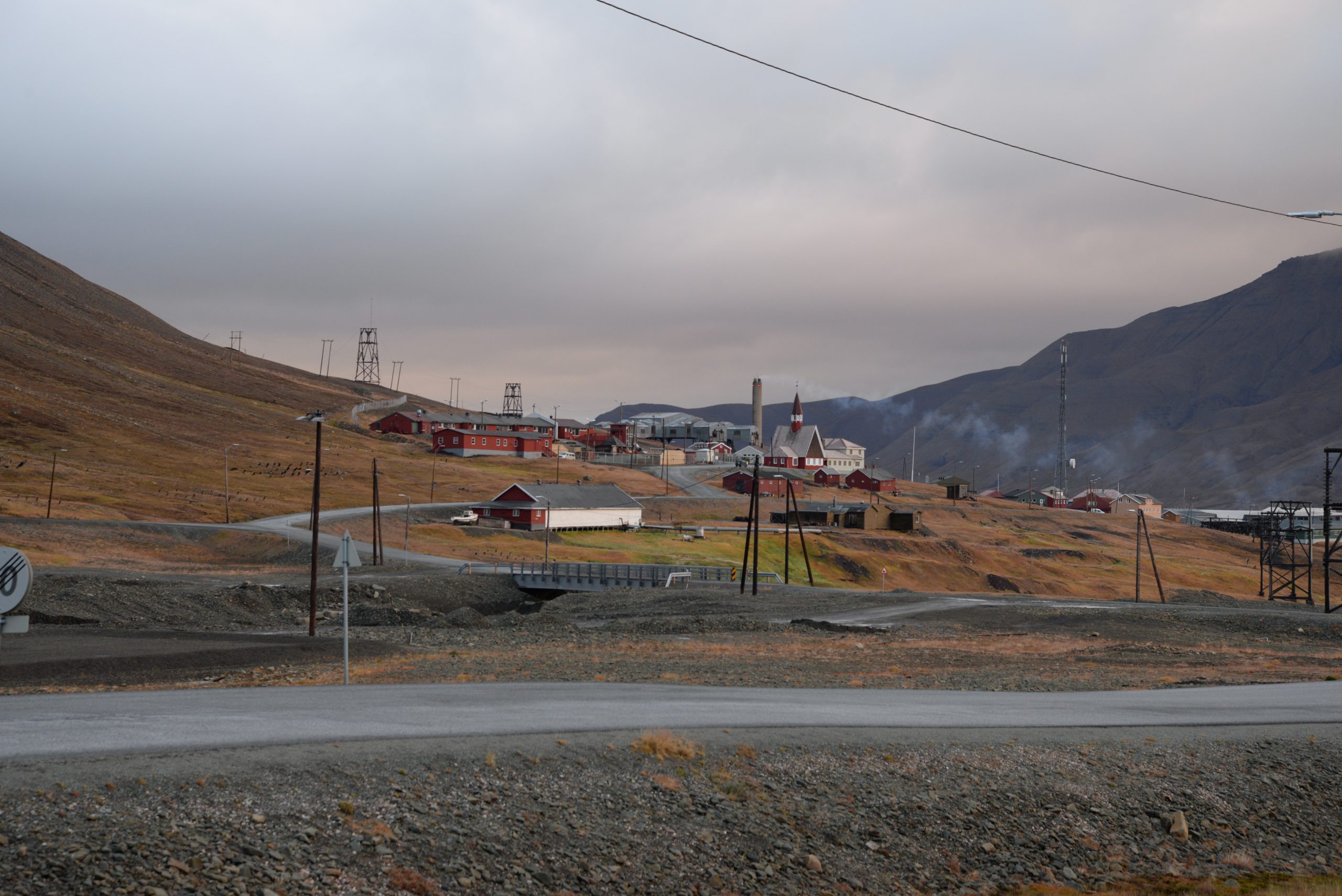
Svalbard’s communities stand at the confluence of climate change, shifting regulations, and a booming tourism industry.
This article summarises findings from a paper published in The Polar Journal that was produced as part of ArcSolution, a Horizon Europe project dedicated to transdisciplinary, One Health research in the Arctic. The authors, led by Julia Olsen, argue that no single scientific discipline can tackle these intertwined challenges alone. Instead, the study calls for a transdisciplinary approach where researchers, policy‑makers, industry and residents collaboratively co‑produce knowledge and co‑design solutions. Through workshops and essays with scientists and local stakeholders, they identify both barriers and pathways for building such bridges in the high Arctic.
Why transdisciplinarity is needed in Svalbard
Participants in the study agreed that climate change and socio‑economic shifts are transforming Svalbard faster than traditional research can keep up. Integrating insights from natural sciences, social sciences and local knowledge can help decision‑makers navigate tricky “balancing acts,” such as reconciling environmental protection with growing tourism.
The authors note that involving non‑academic actors early fosters trust, gives communities ownership over the research and helps ensure that projects address real needs. Examples of successful collaborations include partnerships between scientists, cruise operators, Indigenous organisations and local governments to manage ship noise and monitor biodiversity.
Barriers to collaboration
Despite enthusiasm for co‑production, the workshops surfaced a series of structural and cultural hurdles:
- Communication gaps – Researchers from different disciplines (and non‑academic participants) often use the same words to mean different things. Without a shared language, misinterpretations and mistrust can arise.
- Ambiguous stakeholder definitions – Participants disliked the term “stakeholder,” noting that it can marginalise individuals who do not fit institutional categories. They preferred more inclusive terms such as knowledge holders, recognising that residents and workers are often experts in their own right.
- Temporal and funding constraints – Building trust takes time, but current funding schemes offer little room for the pre‑project consultations needed to involve non‑academic partners. Tight deadlines also make it hard to adapt research questions as new insights emerge.
- Data‑sharing challenges – Participants highlighted conflicting norms around data ownership, confidentiality and the definition of “data,” especially when combining qualitative and quantitative material. While natural‑science data is increasingly open, social‑science data often remains restricted, and few platforms integrate the two.
- Research fatigue and high turnover – Residents of Longyearbyen report feeling overwhelmed by repeated research requests. The transient nature of Svalbard’s population further complicates long‑term partnerships and knowledge retention.
What makes transdisciplinary projects succeed
Workshop participants proposed concrete practices for overcoming these barriers. Their advice amounts to a “toolkit” for collaborative Arctic research:
- Co‑create the agenda from the start – Identify diverse knowledge holders early, invite them to shape research questions and secure pre‑proposal funding for open community meetings. Projects that address locally prioritised challenges are more likely to gain support.
- Maintain continuous dialogue – Consultation should be an ongoing process, with regular meetings, written contributions and co‑authorship opportunities. Leveraging existing structures such as the Svalbard Science Forum and the University Centre in Svalbard helps reduce research fatigue and keeps communication channels open.
- Allocate time and flexibility – Plan around local events and busy seasons, provide sufficient time for permissions and internal processes, and remain flexible to incorporate new questions. In‑person interactions and informal exchanges build trust and improve collaboration.
- Design clear data‑sharing protocols – Agree on what counts as data, describe how it was collected and ensure accessibility across disciplines. Encourage open repositories while respecting confidentiality, especially for qualitative material.
- Distinguish research from consultancy – Uphold scientific rigour and adhere to FAIR data principles (findable, accessible, interoperable, reusable). Clarify when work is research and when it is providing service, to maintain integrity.
- Use dedicated spaces and networks – Create physical or virtual arenas where researchers and knowledge holders can meet, reflect and develop methods together. Institutions like the Svalbard Science Forum and the Svalbard Social Science Initiative provide such platforms.
Lessons for Arctic research projects
The study shows that transdisciplinary research is more than a buzzword; it is a practical framework for tackling “wicked” socio‑environmental problems. By recognising local residents and industry as experts, addressing structural barriers and sharing data openly, projects can produce knowledge that serves both science and society. Importantly, the authors argue for funding agencies to support pre‑proposal engagement and for the creation of a transdisciplinary platform that documents best practices and adapts them to Svalbard’s unique context.
Such an approach could help Svalbard navigate the demands of climate change, tourism and resource management while honouring the voices of those who live and work there. As one workshop participant noted, bridging the gap between authorities and scientists has already narrowed through mutual understanding and collaboration.
The challenge now is to embed these practices into the way Arctic research is conceived, funded and delivered. ArcSolution’s mission is to do just that: by fostering One Health collaborations, developing shared data platforms and providing policy‑relevant guidance, the project aims to turn the lessons from Svalbard into concrete action across the Arctic.