Skip to content
  • Home
  • Study locations
  • Participants
  • Publications & Resources
  • About ArcSolution
  • News
  • Events
  • Home
  • Study locations
  • Participants
  • Publications & Resources
  • About ArcSolution
  • News
  • Events

Arctic pollution in a One Health perspective – from complex challenges to sustainable solutions

ArcSolution is a project that aims to reduce pollution in the Arctic using a comprehensive approach that considers both environmental and human health.

Funded by the European Union under the Horizon Europe Program, Grant No. 101135051 — ArcSolution

ArcSolution webinar #7

Join us for a webinar on One Health approaches to Arctic pollution
Read more

Latest news

News

Pollution in a Changing Arctic: Research and Regulatory Challenges – Written Summary ArcSolution webinar #3

Read More »
08/07/2026
The local Faroese organization Rudda Føroyar presents its work organizing volunteer clean-up activities across the Faroe Islands.
News

Workshop on Plastic Litter in Tórshavn: From Disappearing Waste to Visible Consequences

Read More »
03/06/2026
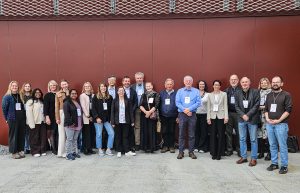
arcsolution researchers gathered in faroe island
News

ArcSolution contributes to UArctic Congress with focus on One Health and Arctic pollution regulation

Read More »
01/06/2026
Cesilie Amundsen gives a presentation to school students
News

Inspiring young minds: School visit and Arctic pollution dialogue

Read More »
26/05/2026
News

One Health Approaches to Arctic Pollution – Written Summary of ArcSolution Webinar #2

Read More »
23/05/2026
Landscape picture of Faroe Island, a fjord and mountain and house, photo taken by Erik Christensen, Porkeri/norden.org
News

Overview of ArcSolution contributions at UArctic Congress 2026

Read More »
21/05/2026

Follow us on social media!

Facebook
LinkedIn
YouTube
Facebook Linkedin
ArcSolution logo
Funded by European Union
Funded by the European Union under the Horizon Europe Program, Grant No. 101135051 — ArcSolution

However, views and opinions expressed are those of the author(s) only and do not necessarily reflect those of the European Union or the granting authority, the Research Executive Agency (REA).