Skip to content
  • Home
  • Study locations
  • Participants
  • Publications & Resources
  • About ArcSolution
  • News
  • Events
  • Home
  • Study locations
  • Participants
  • Publications & Resources
  • About ArcSolution
  • News
  • Events

Arctic pollution in a One Health perspective – from complex challenges to sustainable solutions

ArcSolution is a project that aims to reduce pollution in the Arctic using a comprehensive approach that considers both environmental and human health.

Funded by the European Union under the Horizon Europe Program, Grant No. 101135051 — ArcSolution

ArcSolution webinar #8

Join us for a webinar on: Marine Protected Areas: planning, myth, and zombie ideas
Read more

Latest news

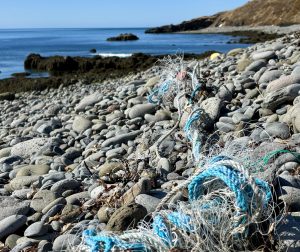
fish net on beach
News

Plastic Pollution in the Marine Environment of the Arctic – Written Summary ArcSolution webinar #6

Read More »
02/10/2026
News

Citizen Science Campaign Launched at Kongsbakken School in Tromsø

Read More »
29/09/2026
arcsolution researchers and locals together in library in longyearbyen
News

ArcSolution researchers visit Longyearbyen to share research, discuss pollution and engage with the community

Read More »
31/08/2026
News

Complex Exposure Situations in the Arctic: PFAS Add to Legacy POPs – Written Summary ArcSolution webinar #5

Read More »
22/07/2026
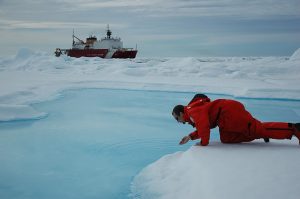
Scientist drinks meltwater on iceberg in the Arctic: Photo: National Oceanic and Atmospheric Administration (NOAA), U.S. Department of Commerce.
News

Geopolitical changes in the Arctic and their implications for pollution research – Written Summary ArcSolution webinar #4

Read More »
15/07/2026
News

Pollution in a Changing Arctic: Research and Regulatory Challenges – Written Summary ArcSolution webinar #3

Read More »
08/07/2026

Follow us on social media!

Facebook
LinkedIn
YouTube
Facebook Linkedin
ArcSolution logo
Funded by European Union
Funded by the European Union under the Horizon Europe Program, Grant No. 101135051 — ArcSolution
However, views and opinions expressed are those of the author(s) only and do not necessarily reflect those of the European Union or the granting authority, the Research Executive Agency (REA).