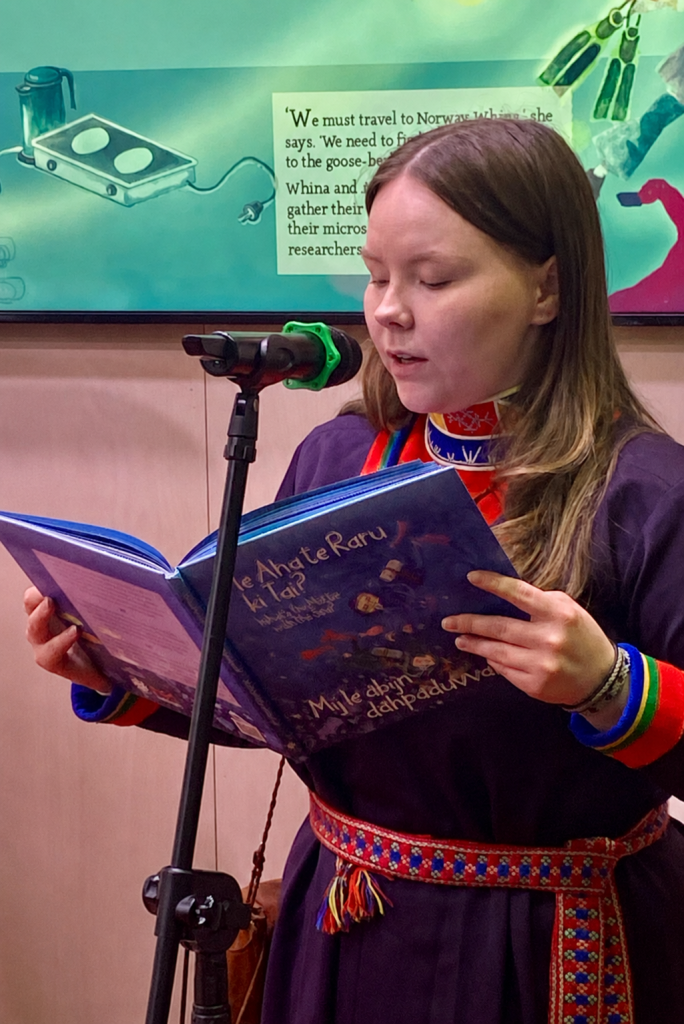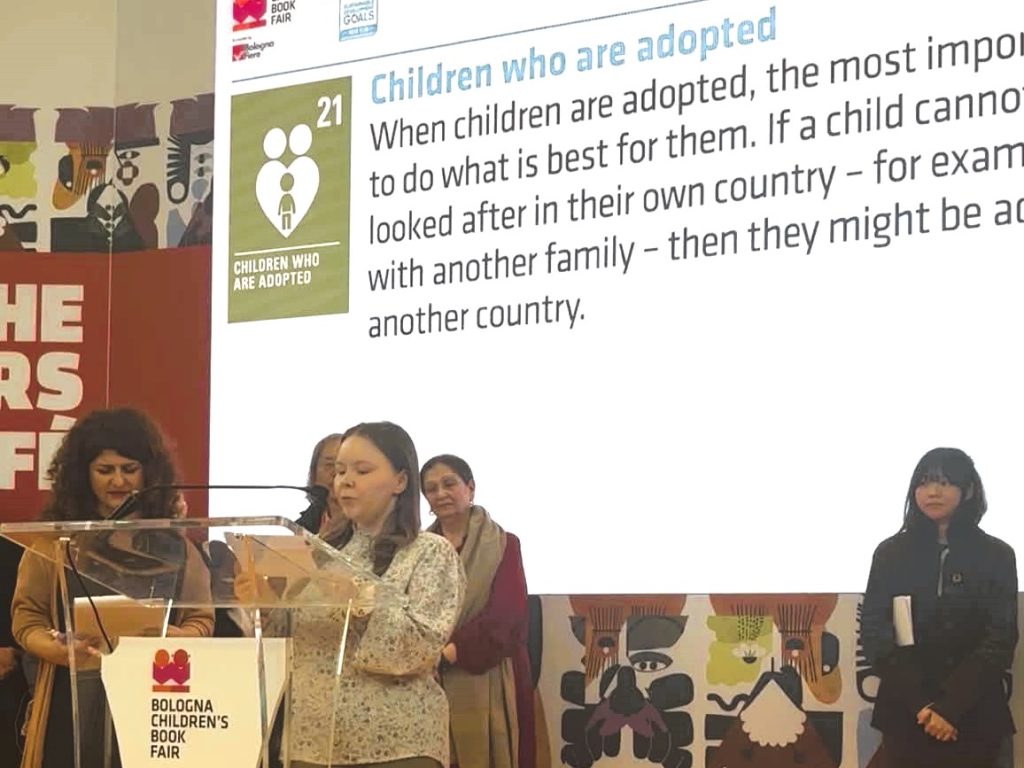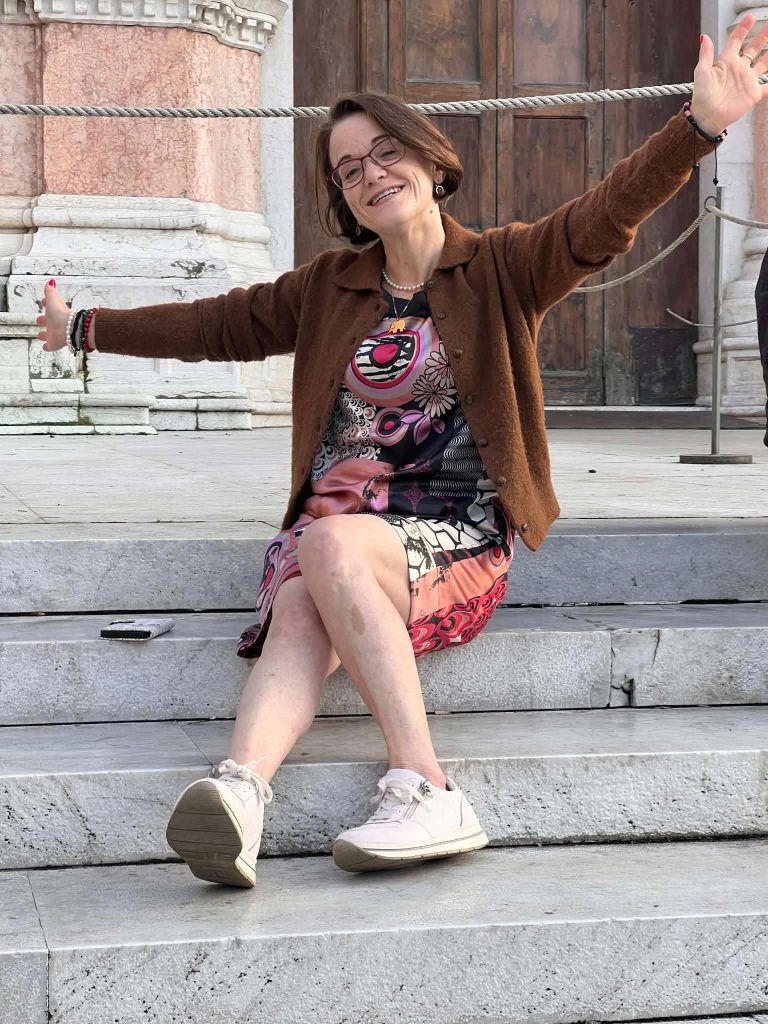
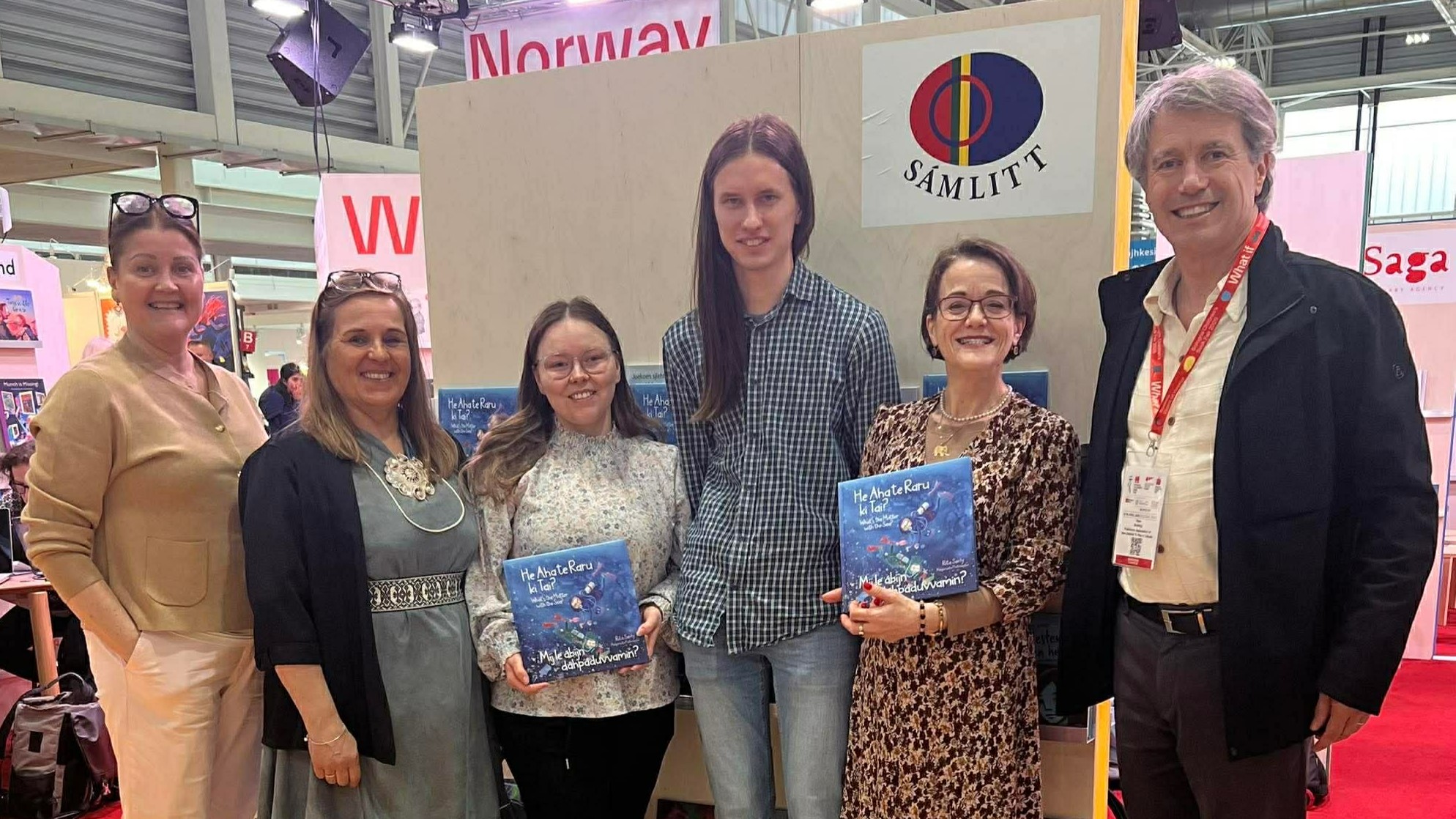
From left: Charlotta Maria Langejan (Nord University: English Translator and project initiator), Marit Alette Utzi, (Davvi Girji: Publisher from Norway), Linnéa Ellen Knutsen (Nord University: Lule Sámi student), Are Tjihkkom (Norway: Lule Sámi translator), Maria Nayr de Pinho Correia Ibrahim (Nord University: English Translator and project initiator), Peter Dowling (Oratia: Publisher from Aotearoa New Zealand).
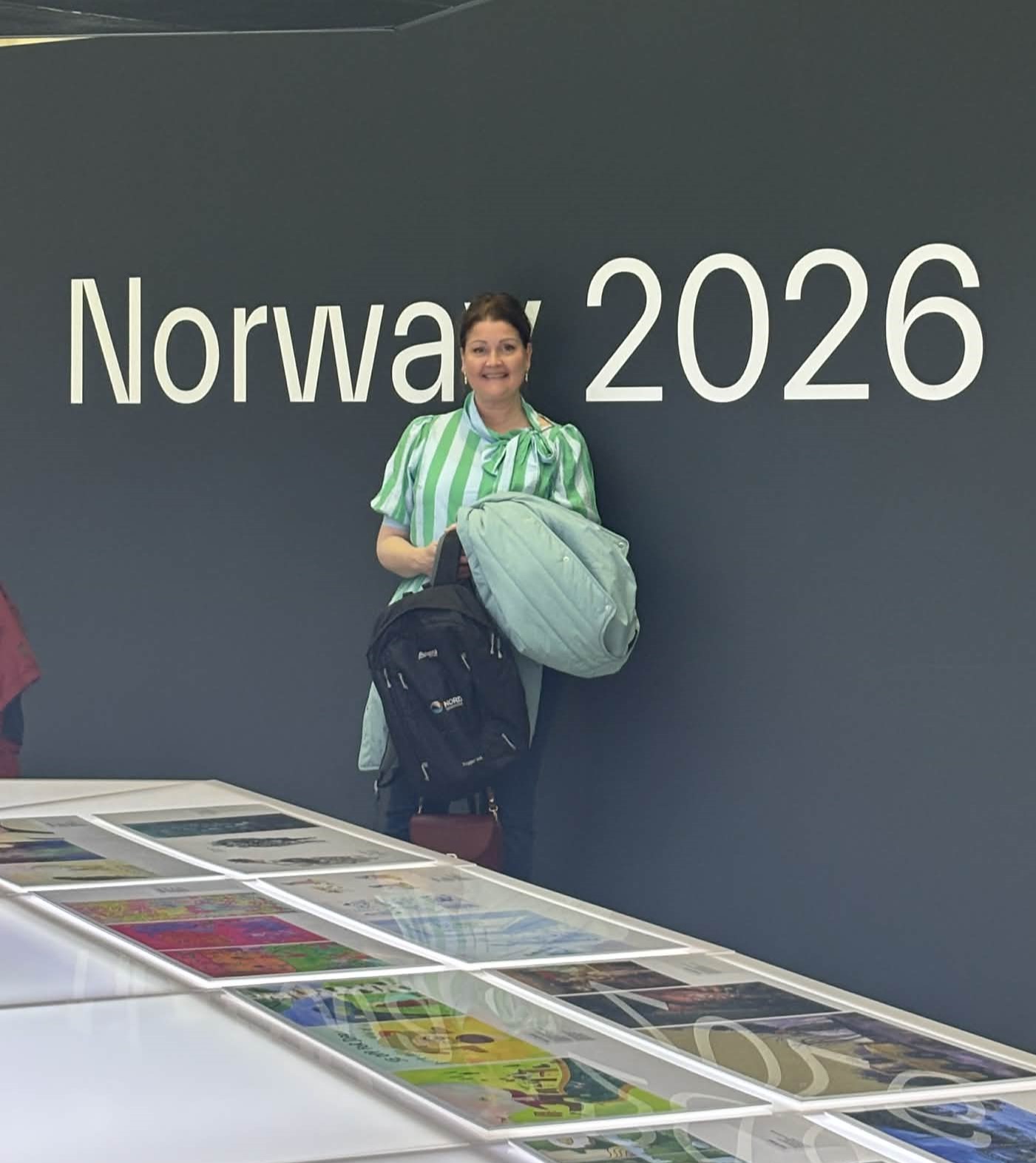
In April, Nord University was proudly represented at the Bologna Children’s Book Fair (BCBF)—the world’s largest and most influential meeting place for children’s and young people’s literature. With around 30,000 visitors from across the globe, BCBF provided a vibrant international stage for Norway’s guest of honour programme, organised by NORLA (Norwegian Literature Abroad).
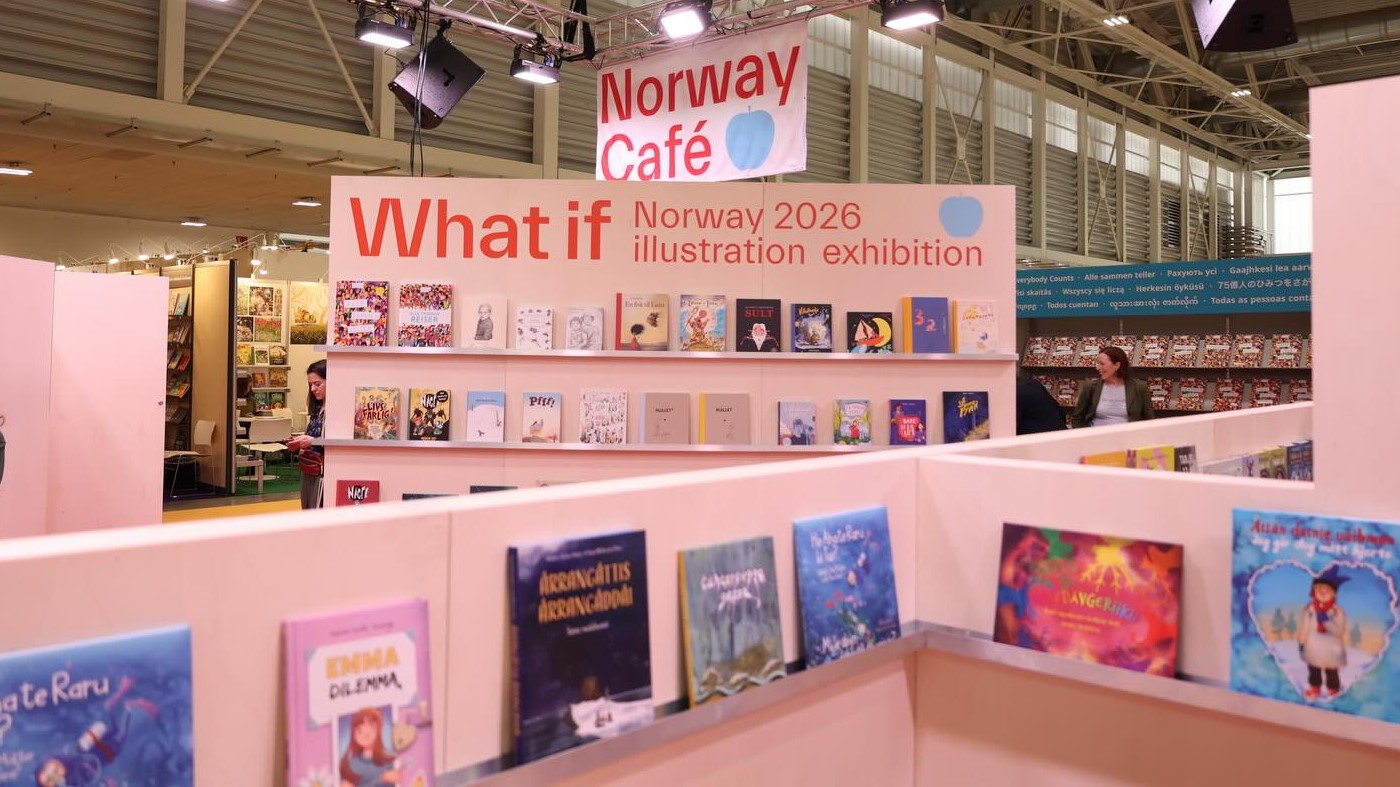
Among the highlights of Norway’s presence was a groundbreaking trilingual picturebook project initiated at Nord University, bringing together Indigenous languages from the Arctic and the Pacific in a single publication.
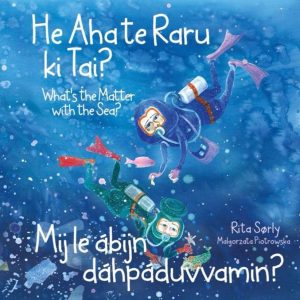
* the book will be available in June in New Zealand and is already available in Norway.
The book is written by Rita Sørly and illustrated by Malgorzata Piotrowska, and initially published in Northern Sámi and Norwegian by Gollegiella, with the title, Ábiid plástihkat/Plasten i havet. It has now been published as a co‑edition between the Sámi publisher Davvi Girji (Norway) and Five Oceans, an imprint of Oratia Books (Aotearoa New Zealand). Five Oceans is dedicated to bringing translations into English and Pacific languages to readers in Oceania and beyond, and Davvi Girji aims to promote awareness of Sámi culture and strengthen indigenous languages, history, and literacy.
The trilingual edition was translated:
- into te reo Māori by Kanapu Rangitauira,
- into Lule Sámi by Árran translator Are Tjihkkom,
- into English by Associate Professor Maria Nayr de Pinho Correia Ibrahim and Charlotta Maria Langejan (Nord University).
With only around 750 speakers, Lule Sámi is an endangered language. Presenting it as an equal partner alongside Māori and English on an international stage represents a powerful act of visibility and recognition.
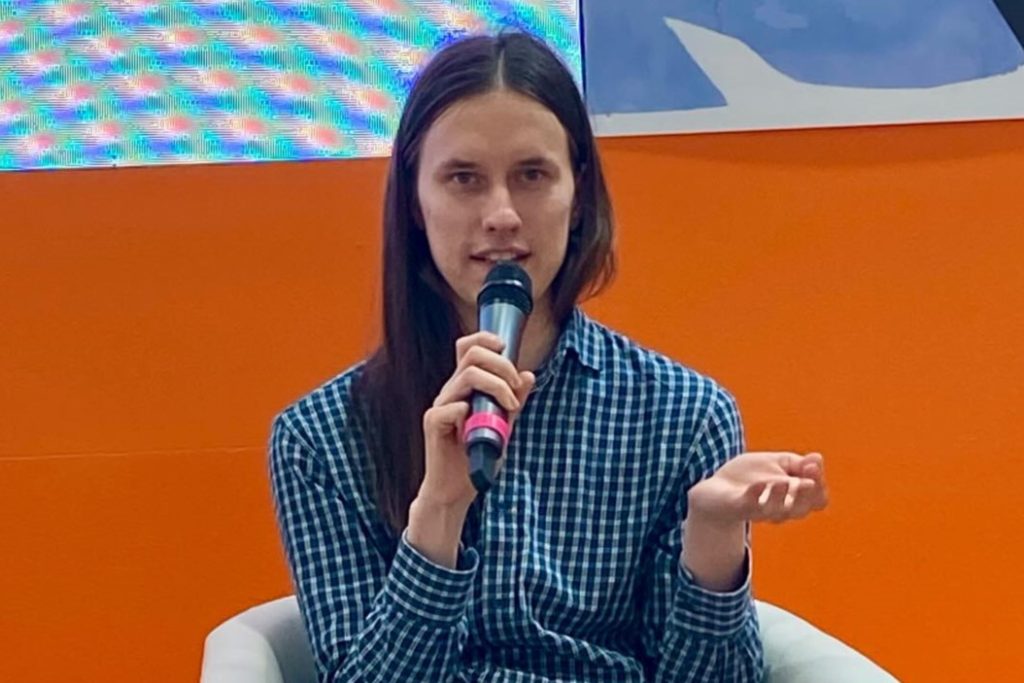
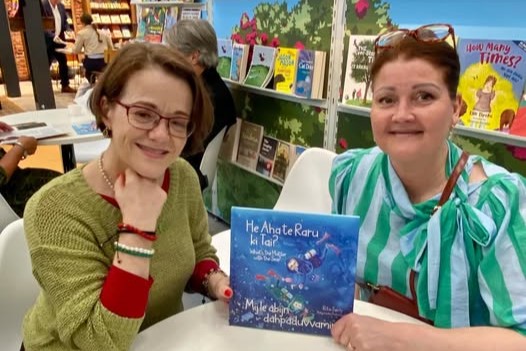
Designed for readers aged 7–15, the story follows two Māori marine biologists, Aihe and Whina, who travel from Otago in Aotearoa New Zealand to the Norwegian coast near Gamvik. There, they investigate the stranding of a goose beaked whale—normally found in deep tropical waters—while addressing wider issues of plastic pollution, ocean health, sustainability, the climate crisis, and gender.
As publisher Peter Dowling (Five Oceans) noted during the presentation:
“It centres the connection between the Indigenous peoples of Norway and Aotearoa, while telling a thoughtful story that highlights the need to care for our marine environment.”
Marit Alette Utsi, from Davvi Girji, emphasised our collective responsibility for making visible, on a local and an international arena, underrepresented languages, lived experiences, and world views.
The book weaves together Arctic and Pacific Indigenous perspectives, offering young readers a global view of shared environmental responsibility grounded in local knowledge systems.
The project was initiated by the Faculty of Education and Arts (FLU) at Nord University and supported by the Nord Research Group for Children’s Literature in ELT, with a clear pedagogical motivation: to support the integration of Sámi perspectives into education, strengthen Indigenous and minority languages, and create innovative multilingual teaching resources for English language education. Associate Professor Maria Nayr de Pinho Correia Ibrahim describes the project as emerging directly from classroom needs:
“This book was born out of a need to bridge curriculum demands to integrate Sámi perspectives into teaching and my search for picturebooks that would allow me to do this meaningfully in English education. My Sámi colleague, Sandra Maria Nystø Rahka, was instrumental in pointing me in the right direction.”
The idea for a trilingual edition itself emerged in a multilingual space—a French conversation group at Stormen Library in Bodø—reflecting the creativity and collaboration at the heart of the project. Charlotta Maria Langejan highlights the broader importance of minority language literature:
“For a language to survive and develop, it must be actively used. Children’s literature gives languages room to live. When children can read in their own language, it strengthens confidence, pride, and a sense of belonging.”
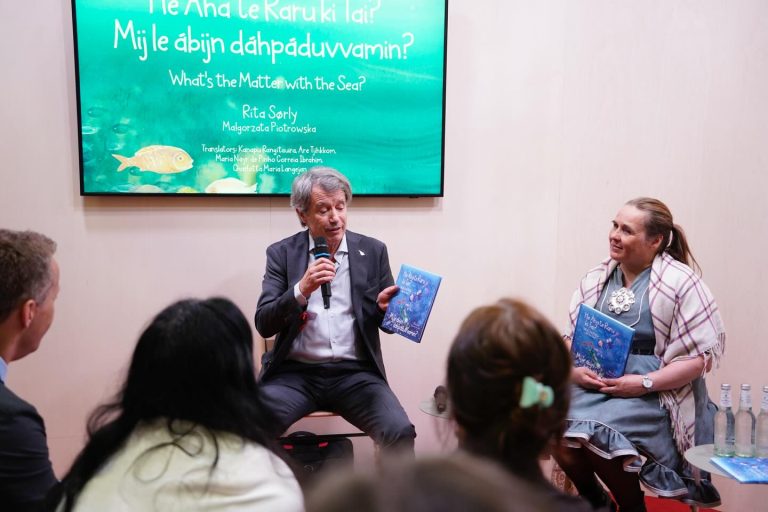
At BCBF, the book was presented during the session “Three Languages, One Story – Indigenous Voices in Children’s Literature”, hosted by Nord University at the Norway Café.
The event featured:
- presentations by Nord University and both publishers,
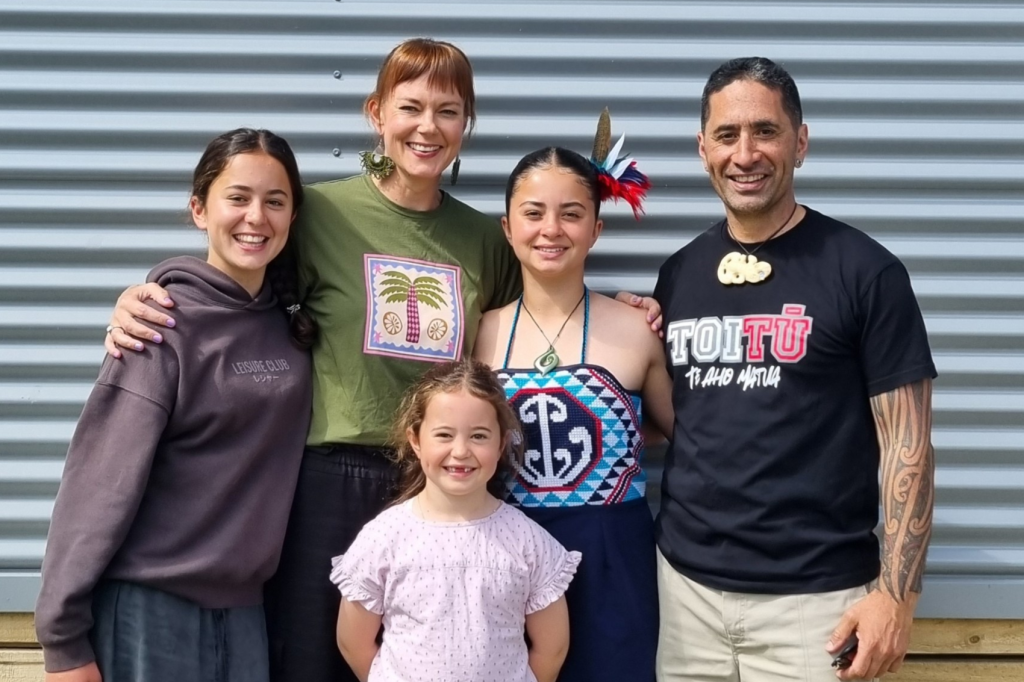
- a live trilingual read‑aloud, including a recorded Māori reading by Kanapu Rangitauira and his family,
- a Lule Sámi reading, by Lule Sámi Nord University student, Linnéa Ellen Knutsen, who also participated in the reading aloud of the UNCRC
- an English reading, by Dr. Maria Nayr de Pinho Correia Ibrahim
- musical contributions drawing on the Sámi joik, Goasskemoabbá – Eagle sister by Kalle Urheim (ft. Kristin Holand), and Māori performing arts traditions, by the country’s leading kapa haka (performing arts) groups from the iwi of Ngāti Whakaue.
Together, these elements highlighted storytelling not only as text, but as living, spoken, and performed language.
Dean Rose Martin, herself originally from Aotearoa New Zealand, described the publication as a milestone in cross‑cultural collaboration:
“It is especially meaningful to see Lule Sámi presented alongside te reo Māori and English in a way that honours the language itself and places it within a wider international conversation.”
The book is expected to be used widely in schools and libraries in Norway, New Zealand, and internationally, supporting Indigenous and minority language revitalisation, English‑language education, decolonising approaches to teaching, and intercultural understanding among young readers.