Dato: torsdag 12. november
Klokka: 09.00-10.00
Sted: Jakhelln brygge 1. Dersom du ønsker å delta digitalt, kontakt Stian Røsten (stian.rosten@nord.no) for å få tilsendt Teams-lenke.
Negative occasions or worrying phenomena? Paid sports coaches’ experiences of being the target of emotional abuse during their daily work situations within community sports clubs in Finland
Importantly, literature has given voice to athletes who are perpetuated, for example, by coaches’ mistreatment or harassment. Less attention has been paid to the coaches as employees and how the sporting culture enables targeting emotional abuse towards coaches in their daily work. Emotional abuse refers to a patterned maltreatment used to break down the personal integrity and sense of self-worth of the target. The presentation summarises stories of paid coaches (n=33) and provides examples of hostile working atmospheres, where employers are perpetrating maltreatment, and the leadership culture is emotionally abusive. Additionally, the presentation highlights how athletes’ parents target negative evaluations, interpreted as mobbing, at coaches’ professional competence. It acknowledges how emotional abuse may have negative consequences for coaches’ well-being, emotional safety, professional identity, and self-esteem. In conclusion, this lecture offers a nuanced understanding of contemporary work cultures in sport and calls for joint discussion on how to foster respectful sporting workplaces.
Norms, normativity and gendered meanings in sport coaching: when, where, and by whom can we find gender?
This presentation discusses potentialities to identify socially constructed norms and challenge shared ideas of normativity. It scrutinises coaching practices in community sports clubs and socially shared understandings of volunteer coaching. The presentation shares findings from feminist ethnography conducted among martial arts (judo) and combat sports (boxing and wrestling) in Finland. It offers nuanced understandings of gendered meanings and values in coaching. These include elements that ignore gender in daily sport club activities. Consequently, this lack of gender recognition reinforces traditional norms, which in turn reproduce normativity in coaching. However, gender becomes more noticeable in coaching practices, where it is placed as a meaningful category when evaluating coaches’ know-how. In conclusion, this presentation discusses tensions between hiding and finding gender and offers a more nuanced understanding of gender parity in coaching. In the end, this lecture calls for a joint discussion on acknowledging gendered habits and norms – when have you last found gender?
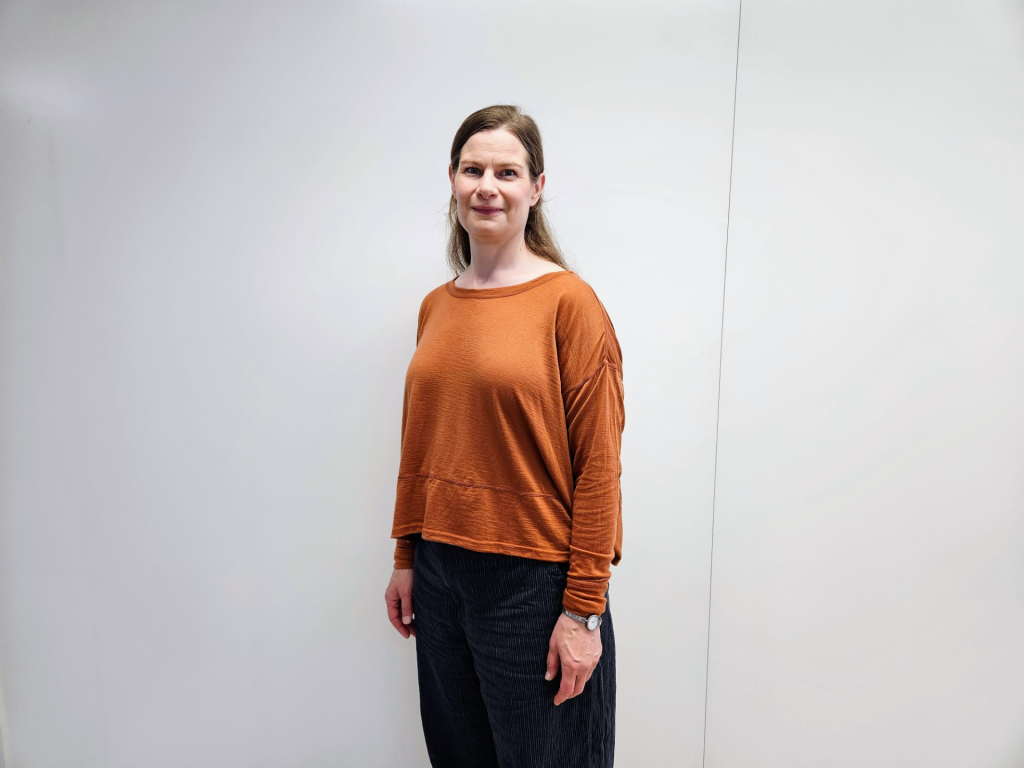
About Dr. Sanna Erdoğan:
Dr Sanna Erdoğan is a visiting researcher at the University of Lapland and the University of Jyväskylä in Finland. Her main research interests are in gender and gendered meanings in sport coaching. Additionally, Dr Erdoğans’ studies include exploring the working conditions of the paid coaching workforce. She most often frames her theories by applying both feminist praxis and critical studies on men and masculinities. Drawing from a multidisciplinary approach, she aims to foster change toward more diverse coaching cultures. Before transitioning to academia, she had an extensive career as a coach educator and coach developer. She also has experience as a former athlete and a volunteer coach.